

The Kerala government has declared the state’s first red alert of the monsoon season as heavy rains and strong winds intensify across six northern districts, with officials warning of potential flooding and landslides. The alert, issued on Friday, June 5, 2026, covers Malappuram, Kozhikode, Wayanad, Kannur, and Kasaragod, while orange and yellow alerts remain in place for other regions. The India Meteorological Department (IMD) has also issued flood warnings for two rivers, signaling a high-risk period for residents in vulnerable areas.
The First Red Alert of the Season: Why Kerala’s Northern Districts Are Under Emergency Warnings
Kerala’s monsoon has arrived later than usual—this year’s onset was delayed by three days—but its arrival has been abrupt and severe. According to the IMD, the southwest monsoon reached Kerala on June 4, 2026, after a prolonged wait that left meteorologists and officials on high alert. The delay, combined with the rapid intensification of rainfall, has triggered the state’s first red alert of the season, a classification reserved for extreme weather conditions that pose imminent threats to life and property.

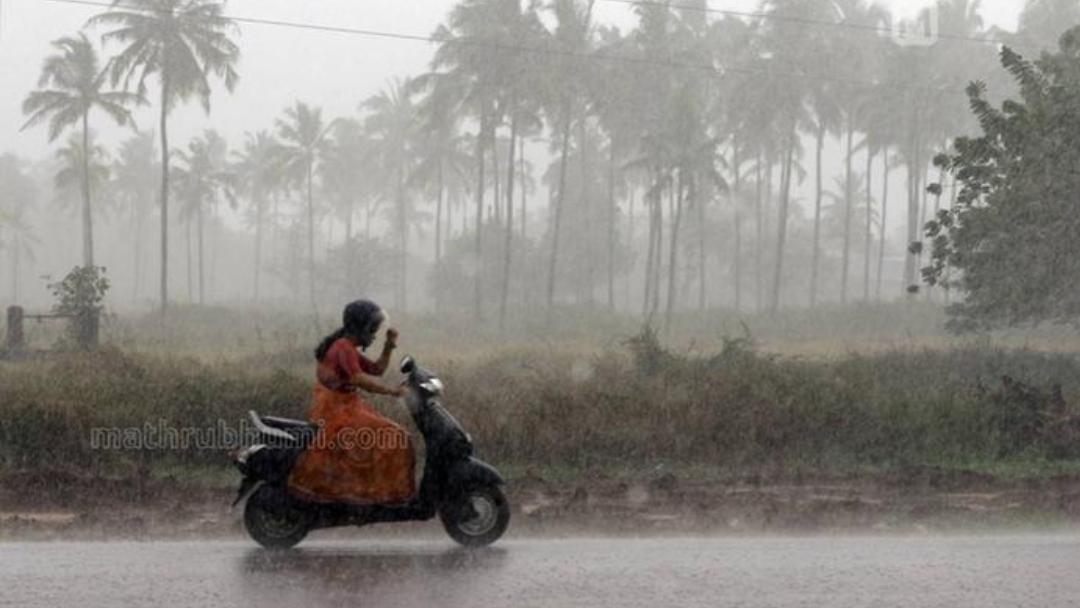
The affected districts—Malappuram, Kozhikode, Wayanad, Kannur, and Kasaragod—are now under a red alert, meaning residents should expect “extremely heavy rainfall” that could lead to flash floods, landslides, and infrastructure damage. The IMD has also extended orange alerts (moderate risk) to eight additional districts, including Ernakulam, Thrissur, Palakkad, and Idukki, while yellow alerts (low risk) cover the southern regions of Tiruvananthapuram, Kollam, and Alappuzha.
As of Friday morning, the IMD reported that the monsoon’s arrival has been accompanied by strong winds and thunderstorms, exacerbating the risk of localized flooding. In Kotayam, heavy rains already caused a roof collapse in Ammancheri, injuring three members of a family—Bino Mathew, his wife Thinu, and their children Abel and Bryan—who were hospitalized with non-life-threatening injuries. The incident underscores the urgency of the red alert, as even brief periods of extreme rainfall can lead to structural failures and hazardous conditions.
Flood Warnings and Evacuation Orders: The Immediate Risks
The IMD’s flood warnings for two unnamed rivers in Kerala add another layer of urgency to the situation. While the specific waterways have not been publicly identified, officials have advised residents in low-lying areas, near riverbanks, and in landslide-prone regions to evacuate immediately. The state disaster management authorities have issued mandatory evacuation orders for high-risk zones, urging people to relocate to designated relief camps or safer ground.
According to Manorama Online, the IMD has predicted that the heavy rains will persist for at least three more days, with the potential for further intensification. The combination of prolonged rainfall, saturated soil, and deforestation in some regions has created a perfect storm for landslides—a recurring hazard during Kerala’s monsoon season. In 2024, landslides during the monsoon killed over 100 people in the state, a grim reminder of the life-threatening risks posed by unchecked weather events.
The state government has activated its disaster response teams, including the National Disaster Response Force (NDRF) and local civil defense units, to monitor and respond to emergencies. Officials have also suspended fishing activities along the Kerala coast due to the strong winds and rough seas, a precautionary measure to prevent accidents at sea.
Why the Delayed Monsoon Makes This Season More Dangerous
The three-day delay in the monsoon’s arrival this year has had a significant impact on Kerala’s preparedness. Typically, the state’s meteorological department uses the onset of the monsoon to gradually ramp up alert systems, allowing residents and authorities time to brace for the rains. However, the sudden and intense arrival of the monsoon has left some areas caught off guard.

As Manorama Online reported, the southwest monsoon’s delayed arrival is linked to a low-pressure system over the Arabian Sea and a cyclonic circulation near the southern Kerala coast. These weather patterns have funneled moisture directly into the state, bypassing the usual gradual buildup. The result is a higher concentration of rainfall in a shorter period, increasing the risk of flash flooding and landslides.
Historically, Kerala has faced severe flooding when the monsoon arrives late but intensifies rapidly. In 2018, for example, the state experienced devastating floods after a delayed monsoon led to prolonged and heavy rainfall, resulting in over 400 deaths and widespread destruction. While 2026’s conditions are not yet as severe, the red alert serves as a stark warning that the state must remain vigilant.
What Residents Should Do: Safety Measures and Evacuation Guidelines
With red and orange alerts in effect, Kerala’s disaster management authorities have issued specific guidelines for residents in high-risk areas.
<!– /wp