

FedEx does not provide public documentation or scientific research regarding genetic links between cancer and dementia. The company’s primary digital platforms, including its official tracking portals for the United States, Canada, the United Kingdom, and Mexico, are exclusively dedicated to logistics, package tracking, and shipping services.
FedEx Corporation is a multinational conglomerate focused on transportation, e-commerce, and business services. Its digital infrastructure is engineered to support the global supply chain, facilitate the movement of goods, and provide real-time visibility into logistical operations. There is no intersection between these operational objectives and the field of clinical oncology or neurology.
Scope of FedEx Digital Services
According to the official websites for FedEx in the United States, Canada, the United Kingdom, and Mexico, these platforms function as service interfaces for customers. The portals allow users to track shipments, manage delivery preferences, and access shipping documentation. There is no evidence on these platforms of medical research, clinical studies, or information concerning genetic mutations related to cancer or Alzheimer’s disease.
The digital architecture of FedEx is designed for high-volume data processing related to package transit. This includes the integration of automated tracking numbers, the calculation of dimensional weight, and the management of customs documentation for international trade. Because these systems are optimized for logistics, they do not contain, host, or link to databases associated with human genetics, molecular biology, or pathological research. The company’s public-facing digital footprint is strictly limited to services that fall under the purview of transportation and logistics management.
Nature of Available Information
The information provided by FedEx across its regional domains is limited to the following operational areas:
- Tracking of domestic and international shipments.
- Access to shipping rates and transit times.
- Support for customs clearance and international trade compliance.
- Customer service contact information for logistics-related inquiries.
The company does not host or distribute medical literature or health-related research. Any inquiries regarding medical conditions, such as the relationship between cancer and dementia, should be directed toward peer-reviewed medical journals, established healthcare institutions, or official government health agencies like the National Institutes of Health (NIH).
The Distinction Between Logistics and Clinical Research
In the modern era, the distinction between logistics service providers and medical research entities remains absolute. Clinical research regarding the intersection of cancer and dementia typically takes place within academic medical centers, pharmaceutical laboratories, and research institutes funded by government grants. These organizations follow rigorous institutional review board (IRB) protocols to ensure the safety and ethical treatment of human subjects in clinical trials.
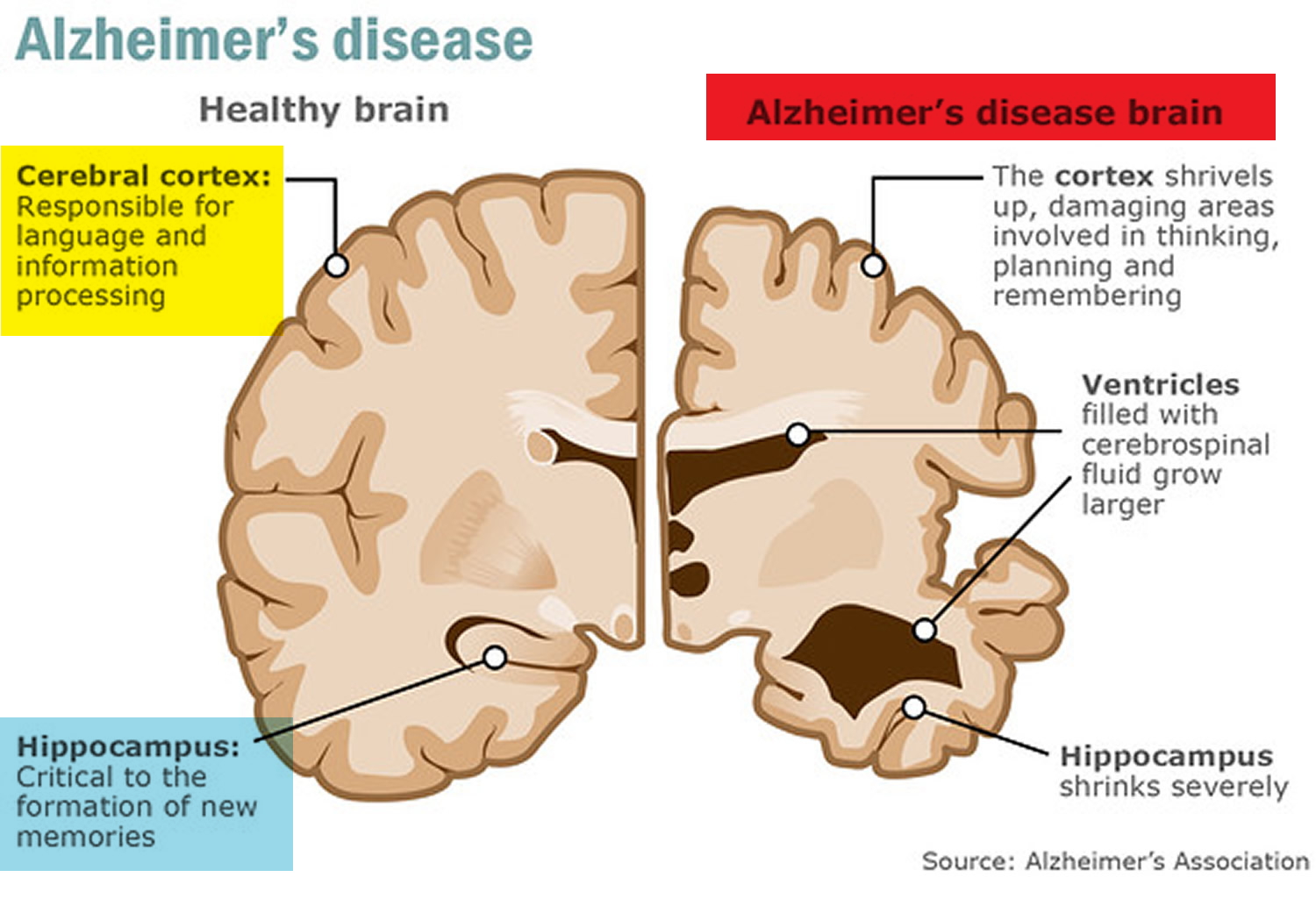
When researchers investigate the genetic links between conditions such as cancer and Alzheimer’s disease, they rely on peer-reviewed platforms and repositories such as PubMed, which is maintained by the National Center for Biotechnology Information (NCBI) at the U.S. National Library of Medicine. These platforms provide access to longitudinal studies, genomic mapping, and metadata related to patient outcomes. Such research is subject to peer review, a process where independent experts in the field evaluate the methodology, statistical significance, and clinical relevance of findings before publication.
Logistics platforms, by contrast, are governed by operational data standards, international shipping regulations, and privacy policies pertaining to commercial freight. The data processed by these systems is transactional, focusing on the chain of custody for physical goods rather than the biological or neurological health data of individuals. Seeking medical information on a platform dedicated to transportation tracking would be inconsistent with the operational purpose of that platform.
How to Access Verified Medical Information
For individuals seeking information on complex health topics, such as the potential genetic correlations between oncological and neurological conditions, it is necessary to utilize resources designed for medical dissemination. Regulatory bodies, including the Food and Drug Administration (FDA) in the United States and similar agencies globally, provide public access to information regarding drug approvals, clinical trial safety profiles, and treatment guidelines.
Readers should rely on verified sources, including:
- Government health agencies, such as the National Institutes of Health (NIH), which offer public summaries of current research.
- Peer-reviewed medical journals, which serve as the primary record of clinical studies and meta-analyses.
- Academic medical institutions that specialize in oncology and neurology.
The complexity of genetic research requires a baseline understanding of clinical study design, including the difference between observational studies, which identify correlations, and randomized controlled trials, which aim to determine causality. Because logistics companies do not engage in these scientific processes, their platforms are not designed to interpret or present such technical information.
Consult your healthcare provider for medical information or advice regarding genetic health and neurological conditions. Only a qualified medical professional can review an individual’s personal health history, family medical background, and current clinical data to provide guidance appropriate for a specific patient’s needs.
Find more reporting in our Health section.
