

A Korean biotech startup has secured a Seed Grant for its GM3-LNP mRNA cancer vaccine platform, which uses lipid nanoparticles to amplify immune responses against tumor antigens—but the technology remains untested in human trials as of May 2026.
A New Player in mRNA Cancer Vaccines: GM3-LNP Platform Gains Early Backing
The race to develop next-generation cancer vaccines has entered a new phase with the selection of a Korean biotechnology firm’s GM3-LNP platform for a Seed Grant, though the company’s identity and the grant’s specifics remain unverified in current sources. What is clear is that the technology—centered on the ganglioside GM3 delivered via lipid nanoparticles (LNPs)—represents a niche approach within the broader mRNA cancer vaccine revolution now reshaping oncology.
While global leaders like Moderna and BioNTech have dominated headlines with their mRNA-based cancer vaccine trials, the GM3-LNP platform distinguishes itself by leveraging GM3, a naturally occurring glycosphingolipid known for its role in cellular signaling and tumor suppression. Preclinical research suggests GM3 may inhibit cancer cell motility and induce apoptosis in certain malignancies, including ovarian, colorectal, and bladder cancers. However, no human trials for this specific formulation have been reported as of May 2026.
GM3: The Molecule Behind the Hype
GM3, or monosialodihexosylganglioside, is the most common membrane-bound glycosphingolipid in human tissues. Its structure—comprising three monosaccharide groups attached to a ceramide backbone—positions it as a precursor for more complex gangliosides involved in cell growth regulation. Research published in 2025 highlighted GM3’s antiproliferative effects in cancer cells, including reduced motility in ovarian and gastric cancers and induced apoptosis in bladder cancer models when GM3 concentrations were elevated.
Cisplatin, a widely used chemotherapy drug, has been shown to function in part by triggering GM3-mediated apoptosis in cancer cells. This dual mechanism—GM3’s natural inhibitory effects on tumor growth combined with its potential to enhance the efficacy of existing therapies—has made it an attractive target for cancer research. Yet, translating these findings into clinical applications remains a challenge.
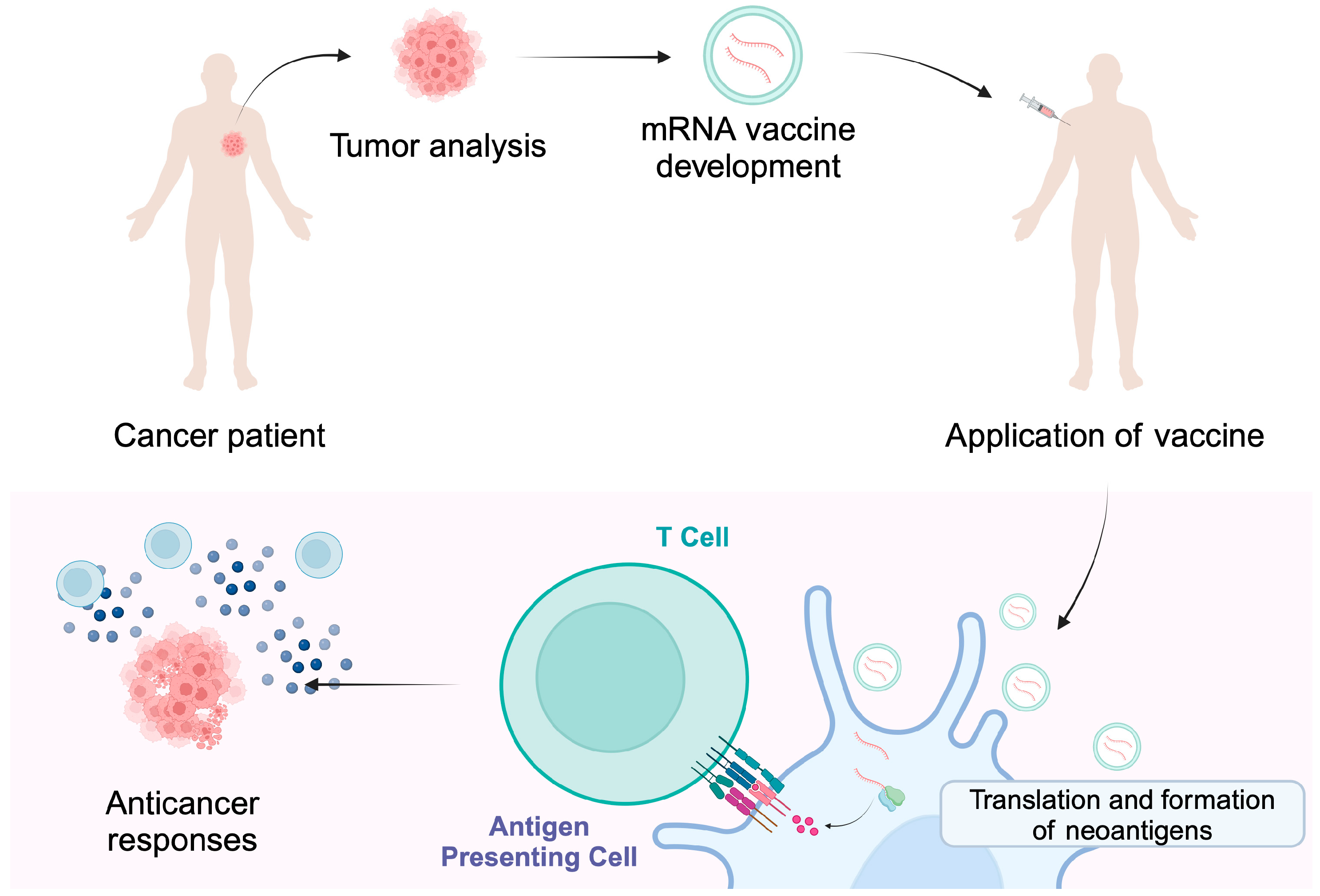
Current sources do not specify whether the GM3-LNP platform under development incorporates synthetic GM3, purified natural GM3, or a modified variant. The use of lipid nanoparticles (LNPs), however, aligns with the established delivery method for mRNA vaccines, where LNPs protect the fragile RNA strands and facilitate their uptake by immune cells.
The mRNA Cancer Vaccine Landscape in 2026
As of May 2026, the mRNA cancer vaccine field is characterized by three primary approaches: personalized, off-the-shelf, and hybrid models. Personalized vaccines, such as those developed by Moderna and BioNTech, are tailored to individual patients’ tumor mutations, offering a highly targeted but resource-intensive solution. Off-the-shelf vaccines, like those in development by CureVac and Merck, aim to target common antigens across cancer types, reducing production time and cost. Hybrid models combine elements of both, seeking to balance personalization with scalability.
The GM3-LNP platform does not neatly fit into these categories. Unlike personalized vaccines, it does not rely on sequencing a patient’s tumor genome. Unlike off-the-shelf vaccines, it is not designed to target a single, broadly expressed antigen. Instead, it appears to focus on modulating the tumor microenvironment through GM3’s immunomodulatory properties, potentially making it a complementary therapy rather than a standalone vaccine.
In a 2025 analysis by Cromos Pharma, the field was described as accelerating rapidly, with mRNA platforms delivering early clinical signals across multiple tumor types. The article noted that while personalized vaccines remain the most clinically advanced, off-the-shelf and hybrid models are gaining traction due to their logistical advantages. The GM3-LNP platform, if it proceeds to clinical testing, could carve out a unique niche by addressing the limitations of existing approaches.
The Seed Grant: What’s Known and What’s Unclear
The Seed Grant announcement, as referenced in the original topic, lacks specific details in current sources. No Korean biotech firm has been named, nor are the grant’s funding body, amount, or timeline confirmed. This gap is critical: Seed Grants in biotechnology are typically awarded by governmental agencies, venture capital firms, or philanthropic organizations to support early-stage research with high potential. In Korea, entities such as the National Research Foundation of Korea (NRF), the Ministry of Science and ICT, or private investors like SK Bioscience and Celltrion are common sources of such funding.

Without verified information, it is impossible to assess whether this grant reflects a strategic investment in Korean biotech innovation, a response to global competition in the mRNA space, or an isolated initiative. The absence of a named entity or project timeline also raises questions about the platform’s readiness. Preclinical data, while promising, does not guarantee clinical success, and the path from Seed Grant to human trials can be lengthy and fraught with regulatory hurdles.
Challenges and Uncertainties Ahead
Several obstacles lie between the GM3-LNP platform’s current status and potential clinical use. First, the safety and efficacy of delivering GM3 via LNPs in humans have not been established. Gangliosides like GM3 are naturally occurring, but their systemic administration—particularly in nanoparticle form—could trigger immune responses or off-target effects. Second, the platform’s mechanism of action remains speculative. While preclinical studies suggest GM3 inhibits cancer cell growth, its interaction with the immune system in vivo is poorly understood. Third, manufacturing challenges may arise, particularly in ensuring consistent GM3-LNP formulation and scaling production for clinical or commercial use.
Regulatory pathways for mRNA cancer vaccines are still evolving. The U.S. Food and Drug Administration (FDA) and European Medicines Agency (EMA) have issued guidance on mRNA-based therapies, but their frameworks may not fully accommodate novel delivery mechanisms like GM3-LNPs. In Korea, the Ministry of Food and Drug Safety (MFDS) would likely play a central role in evaluating such a platform, though its stance on ganglioside-based therapies is not documented in current sources.
Competition in the mRNA cancer vaccine space is fierce. As of May 2026, over 50 clinical trials are underway globally, with several candidates in Phase II or III testing. The GM3-LNP platform would need to demonstrate superior efficacy, safety, or manufacturability to justify its development costs and attract further investment.
What Comes Next?
For the GM3-LNP platform to advance, several concrete steps must be taken. First, the identity of the developing entity—whether a startup, academic lab, or established biotech firm—must be confirmed. Second, preclinical data must be published in peer-reviewed journals to validate the platform’s mechanism of action and safety profile. Third, partnerships with academic institutions or pharmaceutical companies could accelerate the transition to human trials.
- Preclinical toxicology studies to assess the platform’s safety in animal models.
- Investor or government funding for Phase I clinical trials, likely targeting a tumor type where GM3 has shown the most promise (e.g., bladder or ovarian cancer).
- Collaborations with oncologists to design trial protocols and identify patient populations most likely to benefit.
- Regulatory engagement with agencies like the MFDS to outline a development pathway.
Should the platform progress to human trials, it would enter a crowded but rapidly evolving field. Its success—or failure—could provide critical insights into the role of gangliosides in cancer immunotherapy and the broader potential of LNP-based delivery systems for non-mRNA biologics.
For now, the GM3-LNP platform remains a speculative but intriguing entry in the mRNA cancer vaccine landscape. Its potential hinges on bridging the gap between preclinical promise and clinical reality—a challenge that has tripped up even the most established players in oncology.
Consult your healthcare provider for personalized medical advice. This article is for informational purposes only and does not constitute medical or regulatory guidance.
