
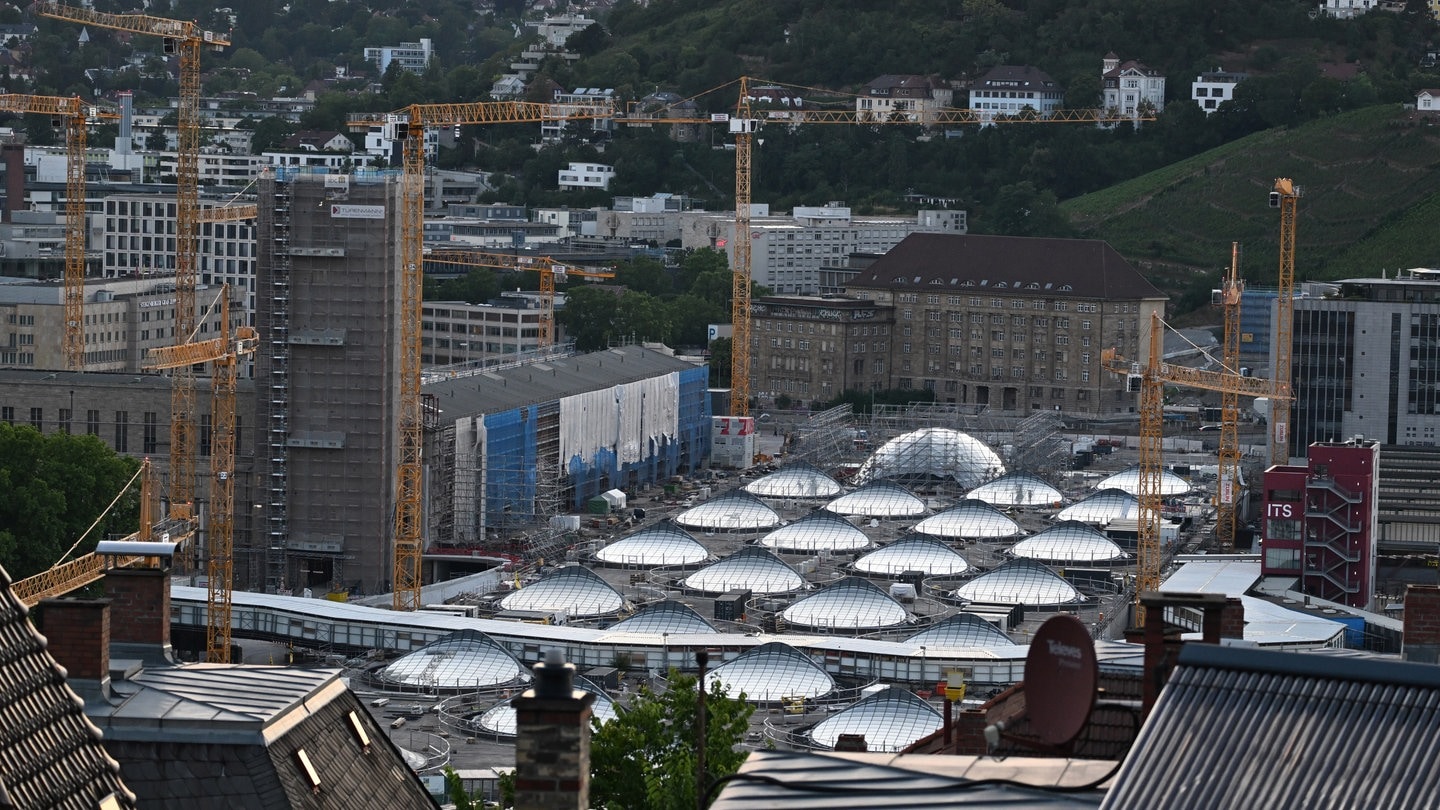
The long-delayed Stuttgart 21 rail project faces further setbacks, with reports indicating a full operational launch is now pushed to December 2031. Sources attribute the delay to extensive defects, including more than 1,000 kilometers of incorrectly installed cabling, alongside ongoing issues with power supply and station construction that have stalled the completion of Germany’s most notorious infrastructure project.
A Decade of Delays and Mounting Infrastructure Failures
The timeline for the Stuttgart 21 transit hub has shifted yet again, moving from a previously targeted completion in 2026 to late 2031. According to reporting by the Frankfurter Allgemeine Zeitung (FAZ), the project—which has been under construction since 2010—is struggling with technical and structural deficiencies that have rendered earlier deadlines impossible.
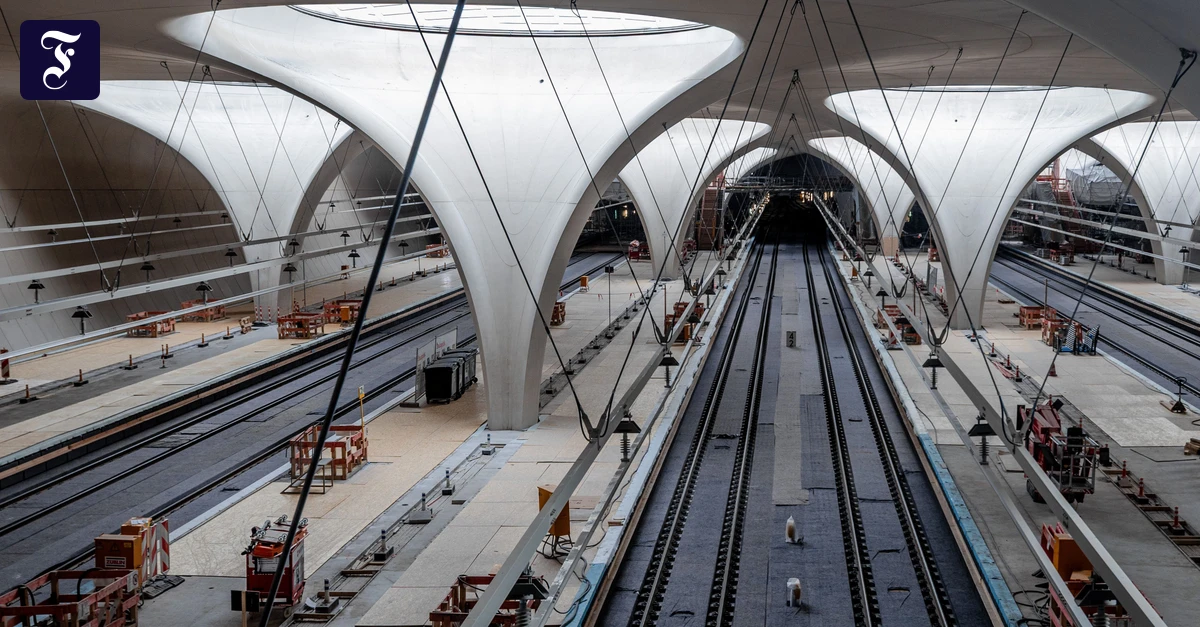
The SWR reports that the situation is compounded by massive errors in the installation of over 1,000 kilometers of cables and conduits. Much of this work must now be replaced, adding layers of complexity to a project already grappling with flaws in emergency power systems and defects in the platform tiling. While the Deutsche Bahn has declined to confirm the 2031 date, referring instead to an upcoming press conference in June, the sentiment among local observers is increasingly grim.
These structural challenges are not merely cosmetic; they represent a fundamental disconnect between the initial engineering blueprints and the physical realities of the site. The replacement of the cabling infrastructure is a monumental task that requires stripping out thousands of meters of materials that fail to meet modern safety standards. This process further delays the integration of the digital signaling systems necessary for the intended high-frequency operation of the new subterranean station.
Political Fallout and Local Reaction
Regional leaders have reacted sharply to the latest news. Baden-Württemberg’s Minister-President Cem Özdemir warned that the project is turning into a “laughing stock” and demanded that the rail operator provide reliable, final figures for the remaining construction phases. As reported by Die Welt, Özdemir insisted that the project must have an end, noting that the city, state, and federal government cannot continue to absorb news of indefinite delays.

Stuttgart’s Lord Mayor Frank Nopper (CDU) used even stronger language, describing the status of the project as a “fiasco.” Nopper stated that he would no longer be merely “impatient” but “uncomfortable” in his dealings with the railway authority.
“The execution is apparently turning into a fiasco.” — Frank Nopper, Lord Mayor of Stuttgart, via SWR
Nopper further emphasized that the city must act to ensure that Stuttgart’s reputation is not permanently linked to an “endless century project.” He specifically called for the pedestrian navigation around the construction sites to be “improved as quickly as possible.” This sentiment reflects the broader public frustration; residents have lived through more than a decade of noise, dust, and traffic re-routing, with the promised benefits of the new through-station remaining perpetually out of reach.
The Human Cost of a Stalled Transit Knot
For those working on the front lines, the construction site is a daily reality of uncertainty. Lokführer (train drivers) and staff are operating on infrastructure that is significantly outdated, with some signaling systems dating back 50 to 60 years. According to tagesschau.de, the ongoing delays at Stuttgart 21 force staff to manage constant, spontaneous changes to routes and schedules.

Drivers must frequently adapt to temporary track closures and vehicle swaps as the network struggles to maintain service levels. Despite these pressures, personnel often accept short-notice changes to their rosters to prevent train cancellations, demonstrating high levels of flexibility in the face of systemic planning failures. The strain on the workforce is mirrored by the strain on the passengers, who navigate a terminal that has been under constant alteration for years, with long walking distances and confusing signage that shifts as construction phases rotate.
Escalating Costs and Questionable Planning
The financial trajectory of Stuttgart 21 serves as a stark case study in project mismanagement. Initially estimated to cost significantly less, the project’s budget has ballooned to roughly 11.3 billion euros, according to recent figures from the railway. Critics point to the original 2009 financing agreement, which only accounted for costs up to 4.5 billion euros, as evidence of a fundamental failure in risk assessment.
The FAZ notes that while politicians once championed the project as a “measure of Germany’s future viability,” the current reality suggests a deep-seated inability to manage complex large-scale infrastructure. The project’s history is defined by a series of budget increases that have consistently outpaced inflation and original estimates, forcing the regional and federal governments to repeatedly renegotiate their contributions. With the urban development of the surrounding areas—the so-called Rosenstein district—unlikely to be completed before 2045, the project remains a source of both financial and civic strain for the region, casting a long shadow over future public infrastructure planning in Germany.
Find more reporting in our News section.
