
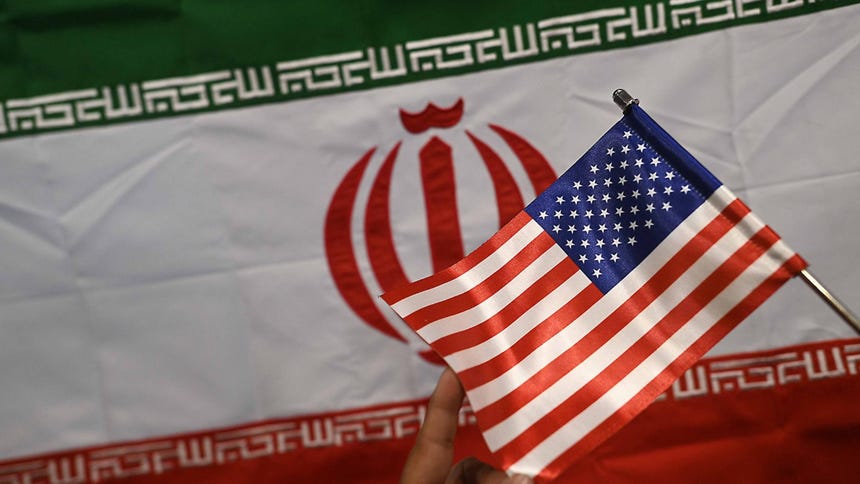
Pakistan’s Prime Minister, Shehbaz Sharif, announced on June 13, 2026, that the United States and Iran are nearing a peace agreement, with a potential electronic signing within 24 hours. The deal, mediated by Pakistan, aims to end hostilities, reopen the Strait of Hormuz, and address Iran’s nuclear program, despite ongoing regional military tensions.
Diplomatic Timelines and the Dispute Over Implementation
The path to formalizing peace between Washington and Tehran remains characterized by conflicting schedules. Prime Minister Shehbaz Sharif stated on X that the two nations are “más cerca que nunca” of an accord, with preparations for an electronic signature occurring within the 24-hour window following his June 13 announcement, according to the Agencia Peruana de Noticias (RPP).
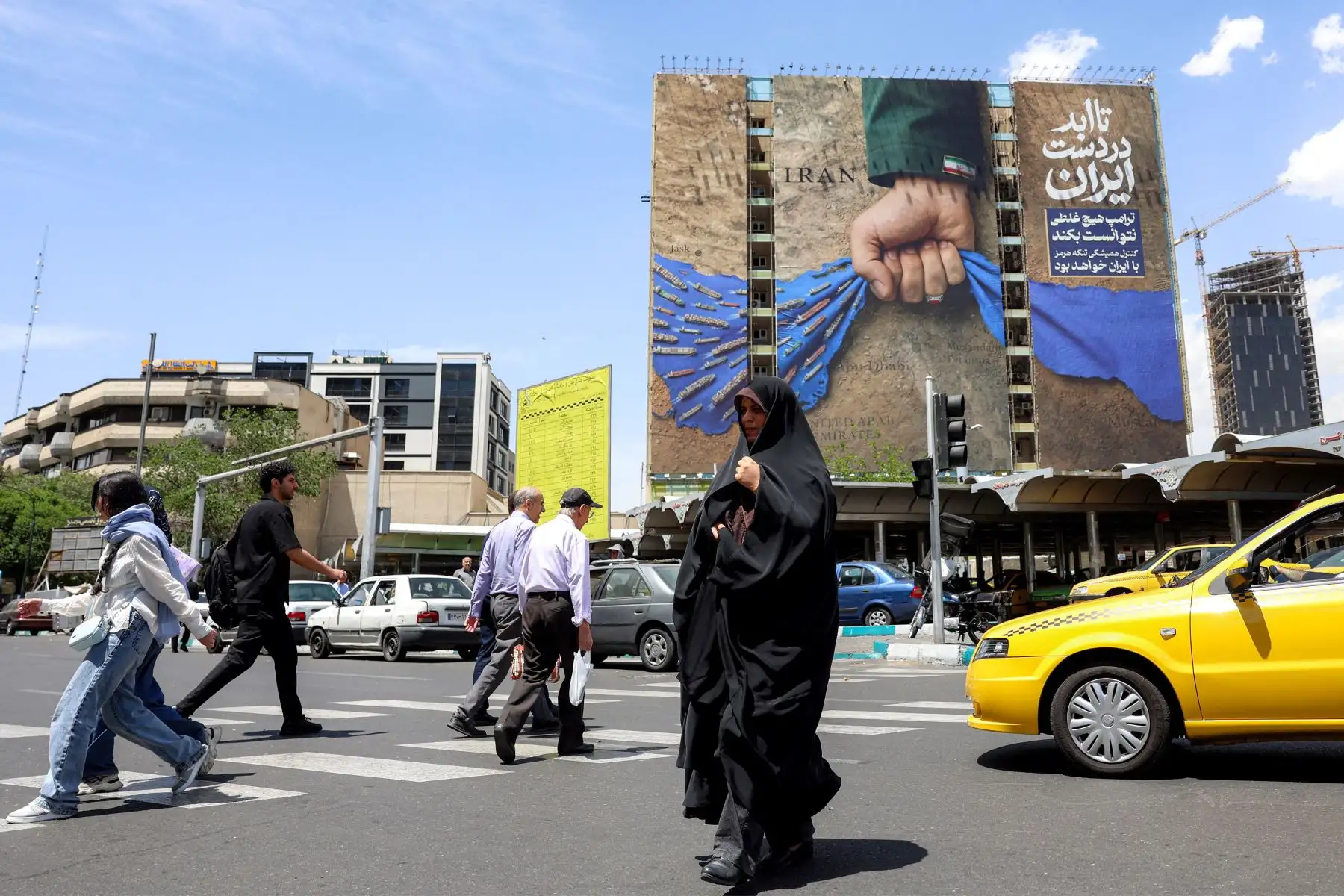
However, Iranian officials have introduced a note of caution. Esmail Baqai, spokesperson for the Iranian Foreign Ministry, stated that the signing would not occur on Sunday, contradicting the timeline suggested by Pakistani mediators. According to Infobae, Baqai emphasized that technical negotiations are ongoing and a definitive date remains pending. This divergence in public messaging highlights the complexity of multi-track diplomacy, where mediators often seek to build momentum through optimism, while the primary negotiating parties must navigate domestic political pressures and internal bureaucratic requirements before finalizing binding international commitments.
Core Components of the Proposed Agreement
The proposed memorandum of understanding, which has been under negotiation for over two months, covers several high-stakes geopolitical issues. Based on reports from Andina, the agreement includes:
- Strait of Hormuz: The reopening of the passage and the lifting of the U.S. naval blockade on Iranian ports.
- Nuclear Program: The eventual dismantling of the nuclear program, with specific protocols for the disposal of enriched uranium.
- Regional Security: A commitment from Iran to cease the funding of armed groups in the Middle East.
- Financial Assets: Iranian officials have demanded the release of USD 12.000 millones in frozen assets upon signing, with an additional USD 12.000 millones in a later phase.
The United States has maintained a firm stance regarding these financial conditions. Vice President JD Vance explicitly rejected the notion of immediate payments, characterizing reports of imminent cash transfers as “información falsa,” as noted by Infobae. The question of frozen assets has historically been a significant sticking point in U.S.-Iran relations, often serving as a barometer for the level of trust between the two administrations. By rejecting the payment structure, the U.S. administration signals that any financial concessions remain strictly tied to verifiable compliance with the disarmament and regional security components of the accord.
For more on this story, see US and Iran Nearing ‘Final, Agreed Upon Text’ of Peace Deal.
Military Friction in the Strait of Hormuz
Despite the diplomatic progress, the security environment in the Strait of Hormuz remains volatile. On June 12, 2026, the U.S. Central Command (CENTCOM) reported that it had intercepted and destroyed multiple Iranian drones.

“Irán lanzó múltiples drones de ataque unidireccionales en un intento por golpear buques comerciales que transitaban por el estrecho de Ormuz,” publicó en X el Mando Central de Estados Unidos (CENTCOM), que supervisa las operaciones en la región. CENTCOM insistió en que el estrecho “permanece abierto al tránsito”.
This follows our earlier report, U.S.-Iran Deal Near Finalization to Reopen Strait of Hormuz.
This engagement occurred just as the diplomatic window appeared to be widening. According to DW, the instability in the region has caused significant volatility in energy markets, with Brent crude prices falling 3,37% to 87,33 dollars on the Intercontinental Exchange (ICE) as investors reacted to the prospect of a de-escalation. The Strait of Hormuz is recognized internationally as one of the world’s most critical maritime chokepoints, through which a significant portion of the global oil supply passes daily. Any disruption in this area typically triggers immediate reactions in global commodity markets, underscoring why both the U.S. and Iran are under immense international pressure to maintain maritime security.
The Role of International Mediation
Pakistan’s role as a mediator in this high-profile negotiation is rooted in its historical diplomatic ties with both Washington and Tehran. In international relations, such mediation efforts often require the mediator to act as a “shuttle diplomat,” relaying technical requirements and political red lines between parties that lack formal diplomatic channels. The current push for an “electronic signing” reflects the modern trend of bypassing traditional, time-consuming diplomatic ceremonies in favor of immediate, verified digital confirmations. However, such methods also pose risks, as they may outpace the actual consensus reached between the negotiating teams on the ground.
Political Obstacles and Future Outlook
The negotiation process faces significant internal and external scrutiny. Iranian Foreign Minister Abbas Araqchi stated that the agreement has clear adversaries, specifically identifying Israel as a party attempting to sabotage the process. “Debo decir con toda franqueza que este acuerdo tiene enemigos, el principal de los cuales es el régimen sionista, que busca pretextos para hacer que fracase,” Araqchi remarked in a television interview reported by DW. This perspective from Tehran is a recurring theme in Middle Eastern geopolitics, where regional actors often view bilateral U.S.-Iran agreements through the lens of their own security and strategic alliances.

Read also: Trump Sets Sunday Deadline for Iran Peace Deal or Escalation.
As the parties move toward a potential electronic signature, the next 30 days will likely focus on technical-level talks to clarify the implementation of the nuclear disarmament clauses. While the U.S. administration expressed an 85% confidence level in the deal’s success, the discrepancy between the Pakistani announcement of an “imminent” signing and the Iranian insistence on further negotiation suggests that the finalization process may still encounter procedural delays. In the context of international arms control and security agreements, the transition from a memorandum of understanding to a fully operational, monitored treaty typically involves weeks of rigorous verification by intelligence and technical agencies to ensure that all parties remain in compliance with the agreed-upon terms.
Find more reporting in our World section.
