
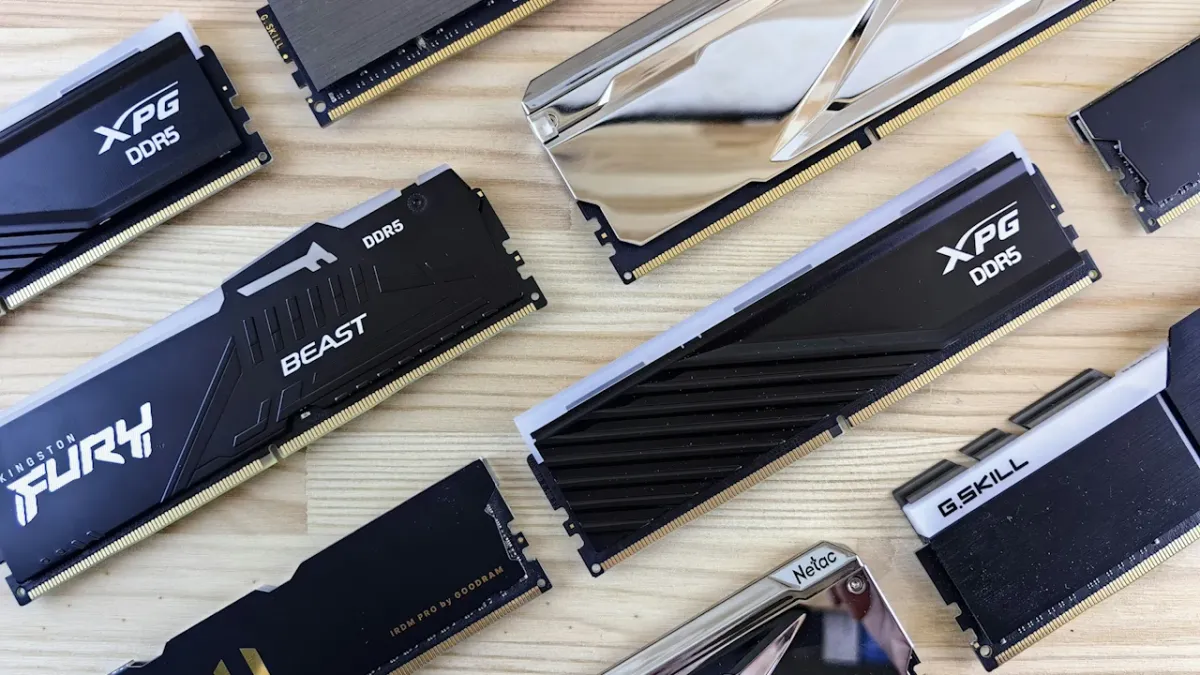
A global shortage of memory chips is sending ripples through the technology sector, impacting everything from artificial intelligence development to the production of everyday consumer electronics. Demand for these essential components has surged, driven largely by the explosive growth of AI, while supply struggles to keep pace-a trend analysts warn could persist into 2027. As major manufacturers increasingly turn to costly spot market purchases to maintain production, consumers are likely to feel the pinch through rising prices on devices like smartphones, graphics cards, and even automobiles[[2]].
A deepening memory chip shortage is impacting the technology sector, driving up prices for components critical to artificial intelligence data centers and broader computing infrastructure. Demand for system memory, video memory, and storage chips has surged as manufacturers struggle to keep pace with orders, particularly from the rapidly expanding AI industry. The price increases are expected to extend to consumer products, with recent reports indicating a significant rise in the cost of graphics cards.
Photo: Andrey Matveev / Unsplash
According to a recent report from DigiTimes, major manufacturers like ASUS and MSI are resorting to purchasing memory chips on the spot market – at elevated prices – to secure supply. This move signals a growing sense of urgency within the industry.
Manufacturers Compete for Limited Chip Supply
Typically, these companies procure chips through long-term contracts with memory manufacturers, securing more favorable pricing. The spot market is generally reserved for urgent, short-notice needs. The current surge in spot market activity suggests a broader disruption in the supply chain.
The situation is further complicated by reports that chipmakers are intentionally limiting contract availability, steering customers toward the more lucrative spot market. This dynamic is exacerbating price increases as manufacturers compete for limited inventory.
The escalating competition among leading manufacturers to secure chip supplies is creating an abnormal market situation, driving prices to unprecedented levels.
Sources at DigiTimes indicate that manufacturers do not anticipate significant relief from the chip shortage before 2027. As a result, they are aggressively purchasing chips now to safeguard production, a cost that will ultimately be passed on to consumers. This trend underscores the critical role of semiconductors in the global economy and the potential for supply chain disruptions to impact a wide range of industries.
