
Aviation Fuel Crisis Looms as Iran Tightens Grip on Strait of Hormuz
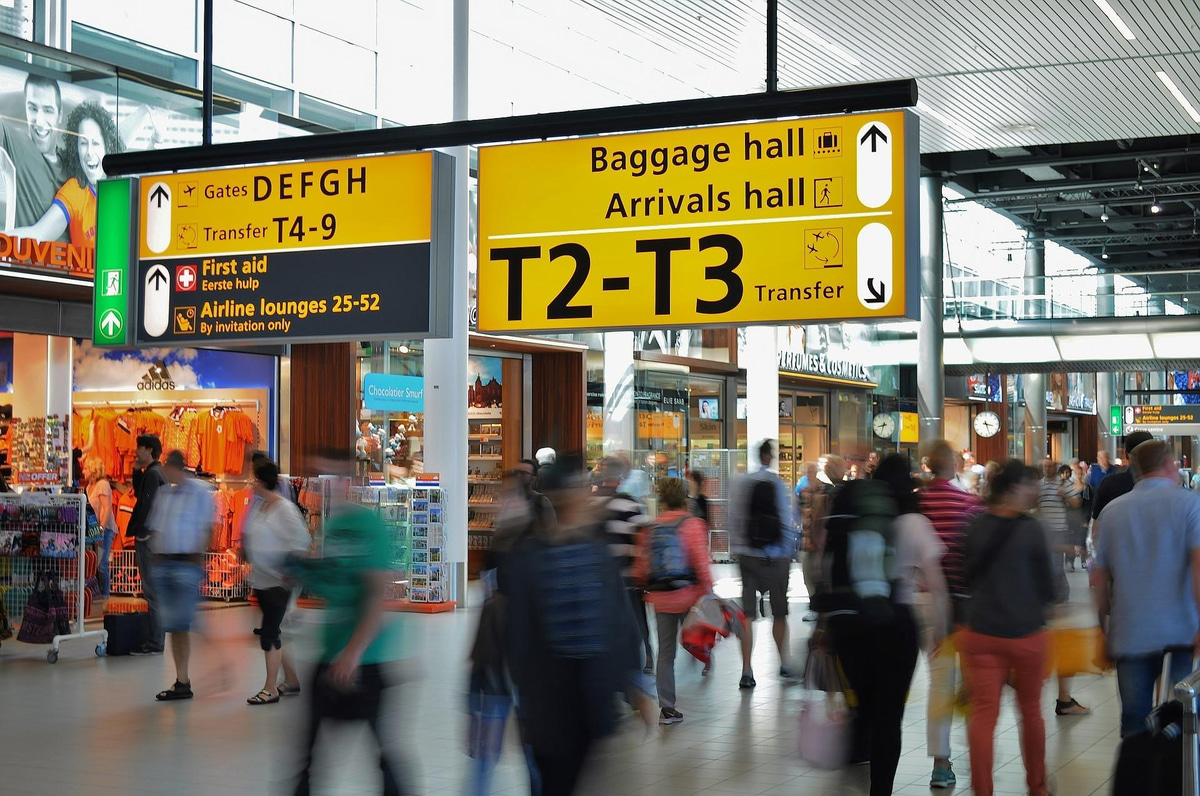
Italian airports have issued urgent warnings regarding potential fuel shortages as the ongoing conflict in the Middle East severely disrupts global energy supplies. The aviation sector is now feeling the primary effects of a near-total blockade of the Strait of Hormuz, prompting European aviation concerns to prepare for significant kerosene shortages.
The disruption has triggered massive volatility in energy markets. Brent crude, the international benchmark, has surged from a pre-war price of approximately $65 to $105.70 per barrel as of Monday, March 16, 2026. This represents a price increase of more than 40% since the outbreak of hostilities on February 28, 2026.
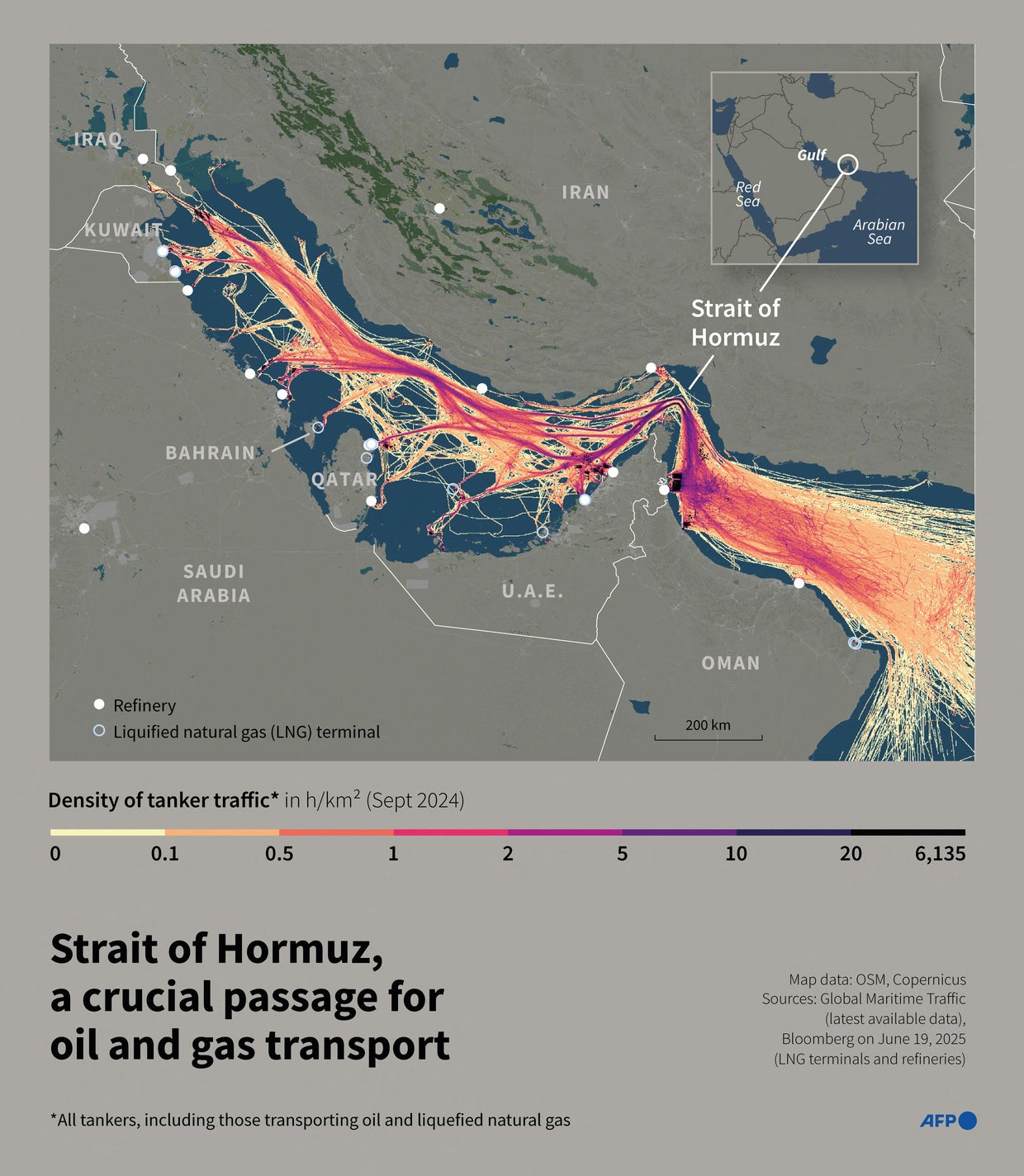
The current crisis is driven by Iran’s strategic effort to establish itself as the gatekeeper of the world’s most critical oil artery. On March 2, 2026, Ebrahim Jabari, a senior adviser to the commander-in-chief of Iran’s Islamic Revolutionary Guard Corps (IRGC), announced that the strait was “closed,” warning that the IRGC and the navy would “set those ships ablaze” should they attempt to cross.
This blockade has resulted in a staggering 90% decline in traffic through the waterway. According to data from shipping intelligence firm Lloyd’s List, only about 150 tankers and container ships have transited the strait since March 1—a fraction of the typical daily volume seen before the war. The scarcity of fuel is now manifesting in the travel industry, where Italian airports are limiting kerosene quantities, raising fears of higher ticket prices or widespread flight cancellations for travelers.
Reports indicate that Tehran is moving to formalize this “chokehold” through a “toll booth” regime. Under this system, ships must enter Iranian waters and undergo vetting by the IRGC. Even as the strait remains largely closed to the U.S. And its allies, Iran has granted rare exceptions for certain nations. For instance, a Pakistani-flagged Aframax tanker, the Karachi, was permitted to sail out of the Gulf, and Iranian Ambassador Mohammad Fathali confirmed that some Indian vessels have likewise been allowed passage.
Despite the blockade, Iran has maintained its own exports to strategic partners. Data from Kpler shows that Iran’s Kharg Island terminal loaded 1.6 million barrels in March, a figure largely consistent with pre-war levels. The majority of these shipments are destined for modest, private refineries in China.
The decision by Tehran to regulate passage underscores the extreme vulnerability of global energy supply chains to geopolitical instability. As European carriers brace for further shortages, the international community remains focused on the Strait of Hormuz, where the flow of one-fifth of the world’s oil shipments remains under the discretion of the Iranian military.
