Following the April 10, 2026, splashdown of the Artemis II mission, NASA and academic partners are analyzing postflight data to prepare for future crewed lunar landings. Researchers are assessing human physiological adaptation to gravity shifts while simultaneously addressing technical heat shield concerns identified during the previous Artemis I test flight.
Postflight Health and Gravity Adaptation Data
The successful return of the Artemis II crew—NASA astronauts Reid Wiseman, Victor Glover, and Christina Koch, alongside Canadian Space Agency astronaut Jeremy Hansen—has provided a vital dataset for human spaceflight research. According to reporting from Mirage News, the agency initiated a series of medical evaluations within hours of the crew’s splashdown in the Pacific Ocean. These studies are essential for determining how quickly astronauts can perform mission-critical tasks after transitioning from microgravity to the gravity of a planetary surface, such as the Moon or Mars.
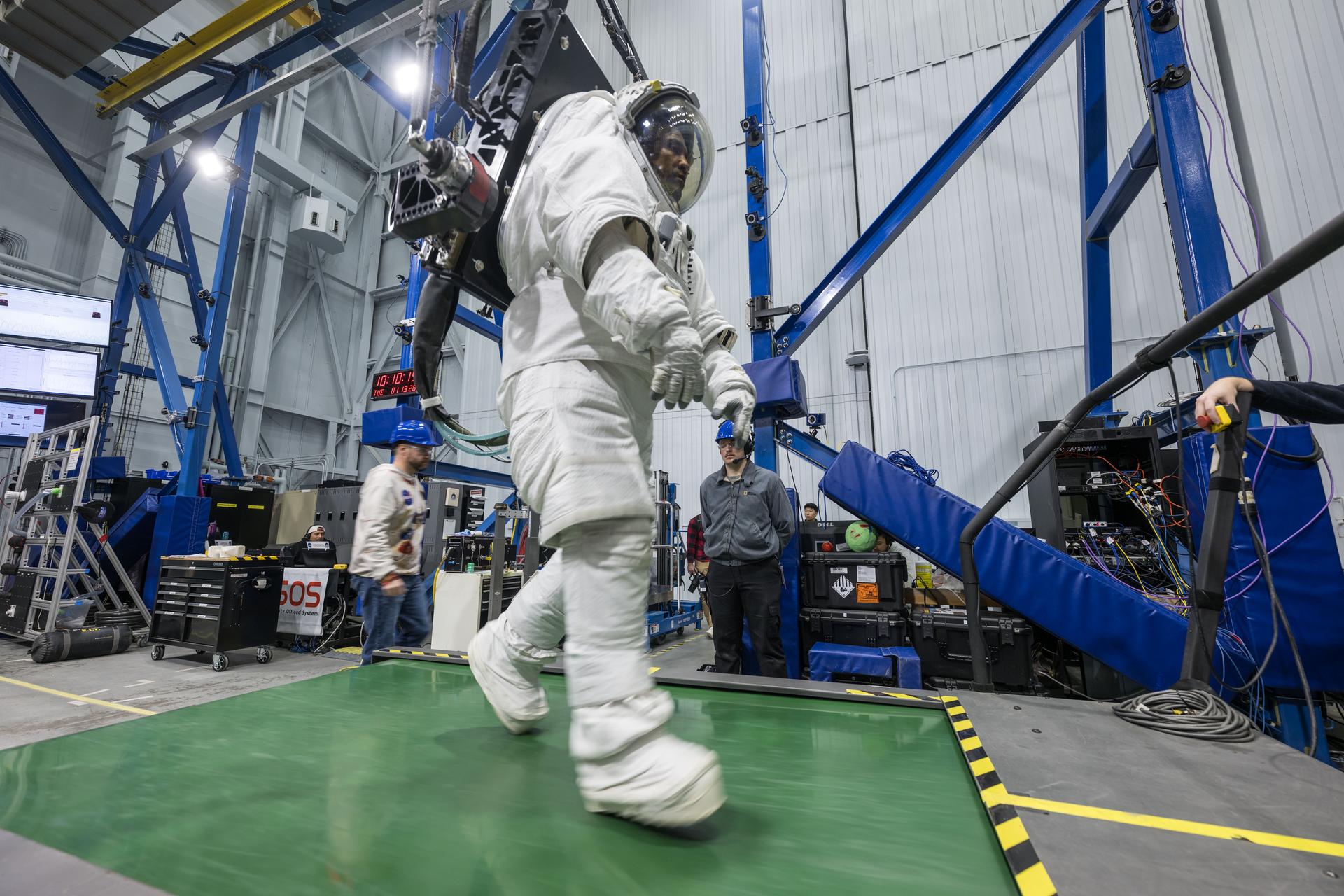
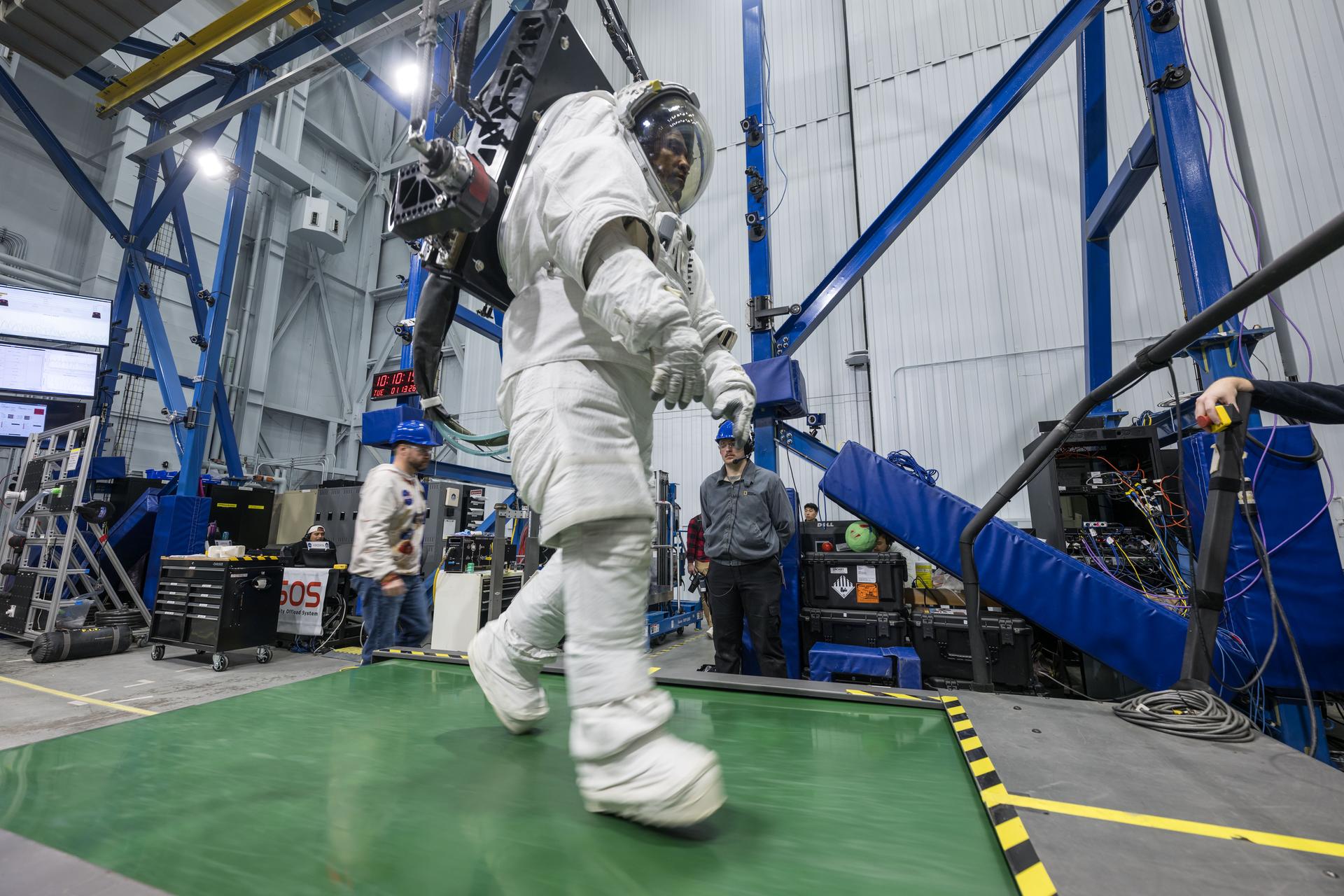
The research includes the Artemis II Spaceflight Standard Measures study, which tracks baseline health metrics including heart rate, blood pressure, motor control, and eye health. Beyond clinical measurements, the crew participated in physical performance assessments. At the Johnson Space Center in Houston, astronauts completed obstacle courses while wearing spacesuits offloaded to one-sixth of Earth’s gravity, simulating the conditions they will encounter on future lunar surface missions. These specific simulations are designed to measure the impact of prolonged weightlessness on coordination and strength, providing a benchmark for the physical demands of lunar surface exploration.
Resolving Artemis I Heat Shield Challenges
While the Artemis II crew underwent physical testing, engineers continued to refine the technology required for safe re-entry. During the uncrewed Artemis I mission in 2022, the Orion capsule’s heat shield experienced unexpected pressure, resulting in cracking and the loss of charred material. This prompted a significant investigative effort by NASA and academic partners, including researchers at the University of Kentucky.
cluster (priority): paxtonmedia.com
“It was an uncrewed mission — there were some issues with the heat shield during the re-entry process, so there was a massive effort at NASA to understand the issues,” said Savio Poovathingal, an Associate Professor of Aerospace Engineering at the University of Kentucky, as reported by the Paducah Sun.
To diagnose the structural failures, university teams utilized specialized imaging and experimental techniques on samples provided by the agency. The investigation focused on the material degradation observed in the Avcoat ablator, the primary material used on the Orion heat shield. Researchers analyzed the thermal response of the material under conditions that mimic the intense heating profile encountered during high-velocity return to Earth’s atmosphere. By identifying the root cause of the unexpected material loss, the team aims to refine manufacturing and application processes to ensure the structural integrity of the capsule for future crewed flights.
The Kentucky Reentry Universal Payload System
University of Kentucky researchers have developed a unique testing platform to evaluate heat shield materials under actual flight conditions. The program, known as the Kentucky Reentry Universal Payload System (KRUPS), uses miniature capsules launched from the International Space Station to simulate re-entry velocities.
Meet NASA Astronaut Reid Wiseman, Artemis II Commander
“These are miniature small capsules that we fly from the space station. They actually go up to the space station, and they come down at like re-entry velocities where we can test different heat shields,” Poovathingal said.
cluster (priority): news.google.com
The program has successfully completed two flight campaigns: the first in 2021 with three capsules, and a second in 2024 with five. In April 2026, the team sent 12 additional capsules to the space station, which are scheduled to return in October for further analysis. Each KRUPS capsule is instrumented to capture high-fidelity data regarding surface temperature, pressure, and material recession rates. By subjecting these miniature heat shields to the harsh environment of atmospheric entry, the university team provides NASA with critical, empirical evidence that complements laboratory-based arc jet testing. This capability allows researchers to bridge the gap between laboratory modeling and real-world performance, reinforcing the University of Kentucky’s role in the broader aerospace research community.
The integration of human performance data and material science research serves as a foundation for NASA’s long-term objectives. As the agency plans for an enduring human presence on the Moon and eventual missions to Mars, the ability to operate effectively upon arrival remains a priority. The data collected from the Artemis II crew will inform future landing protocols, while the refined heat shield technology ensures that the vehicles carrying those crews can withstand the extreme thermal environments of atmospheric re-entry.
Beyond the immediate technical hurdles, the collaboration between NASA’s flight centers and academic institutions underscores the interdisciplinary nature of modern space exploration. The data gathered from the ongoing medical evaluations and the analysis of the KRUPS return missions are expected to be compiled into comprehensive technical reports. These documents will guide the design specifications for the Artemis III mission and beyond, ensuring that the mission architecture accounts for both the biological limitations of the human body in deep space and the stringent material safety requirements necessitated by high-energy re-entry. This iterative process of testing, analysis, and refinement remains central to NASA’s strategy for achieving long-duration mission success.
Sophie Williams is the Tech Editor at Headlinez.News, covering innovation, artificial intelligence, cybersecurity, and emerging technology trends. Before joining the publication, she worked as a technology correspondent and product analyst for multiple tech-focused media outlets. With a background in computer science and digital media, Sophie bridges technical depth with accessible reporting, bringing readers closer to the technologies transforming everyday life.
Expertise: Artificial intelligence, consumer tech, cybersecurity, startups, digital transformation.
Location: San Francisco, California, USA