
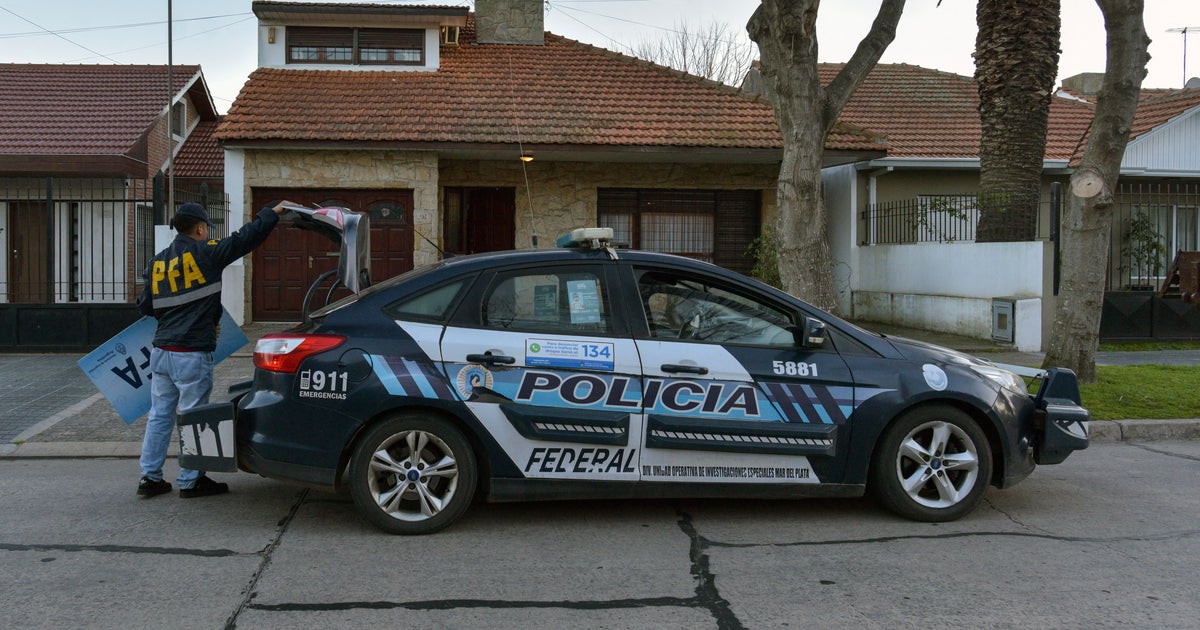
Did you know that the hunt for Nazi-looted art continues even today, decades after World War II? This article explores the ongoing efforts to recover these stolen masterpieces, highlighting the latest trends in art recovery and the persistent challenges that remain. Discover how technology, legal frameworks, and international cooperation are shaping the future of finding and returning Nazi-looted art to its rightful owners.
The Hunt for Nazi-Looted Art: Trends and Future Challenges
Table of Contents
The recent discovery of a potentially Nazi-looted painting in an Argentinian real estate listing has brought the issue of stolen art back into the spotlight. This case, involving a painting by Giuseppe Ghislandi, highlights the ongoing efforts to recover art looted during World War II and the challenges that remain. Let’s delve into the trends and future of this complex issue.
The Enduring Legacy of Nazi Art Theft
During World War II, the Nazis systematically plundered an estimated 650,000 artworks, many from jewish owners and art dealers [[1]]. This theft was part of a broader campaign of persecution and cultural destruction. The Ghislandi painting, believed to have belonged to the Dutch art dealer Jacques Goudstikker, is just one example of the thousands of pieces still missing. The discovery of the painting in a real estate listing in Argentina, decades after the war, underscores the long reach of this historical crime [[2]].
Did you know? The Nazis not only stole art but also destroyed works they deemed “degenerate,” further impacting the art world.
Technological Advancements in Art Recovery
The search for stolen art is increasingly aided by technology. Databases like the Lost Art Database are crucial in tracking missing artworks. Moreover, advancements in image recognition and AI are helping to identify looted pieces. These tools can compare images of artworks wiht historical records, making it easier to spot stolen items, even in unexpected places like real estate listings [[3]].
pro tip: Art collectors and dealers should use online databases and registries to check the provenance of artworks and avoid unknowingly purchasing stolen items.
Legal and Ethical Considerations
The recovery of Nazi-looted art involves complex legal and ethical considerations. The statute of limitations, ownership claims, and the rights of heirs are all factors that complicate the process. International cooperation is essential, as is the willingness of institutions and individuals to return stolen property. the case in argentina highlights the need for continued vigilance and international collaboration to address these issues.
Reader Question: What role do auction houses and art galleries play in preventing the sale of stolen art?
The Future of Art Recovery
The future of art recovery involves a multi-faceted approach. This includes:
- Enhanced Databases: Expanding and improving databases of stolen art.
- Increased Openness: Promoting transparency in the art market to prevent the sale of looted items.
- International Cooperation: Strengthening international agreements and collaborations to facilitate the return of stolen art.
- education: Educating the public about the history of art theft and the importance of provenance research.
As technology advances and awareness grows, the chances of recovering stolen art increase. The Ghislandi painting case serves as a reminder of the ongoing need to address the legacy of Nazi art theft and to ensure that justice is served.
did you know? Many museums are actively researching the provenance of thier collections to identify and return looted artworks.
Are you passionate about art history and the fight against art theft? Share your thoughts and insights in the comments below!
