
Are conventional alliances fading as new conflicts emerge? This article analyzes the evolving landscape of global alliances and military cooperation, highlighting the rise of unconventional partnerships and their potential impact on international security. Discover the economic and political motivations behind these shifts and understand the future of international relations in an increasingly unpredictable world.
The Shifting Sands of global Alliances: Analyzing the Future of Military Cooperation
Table of Contents
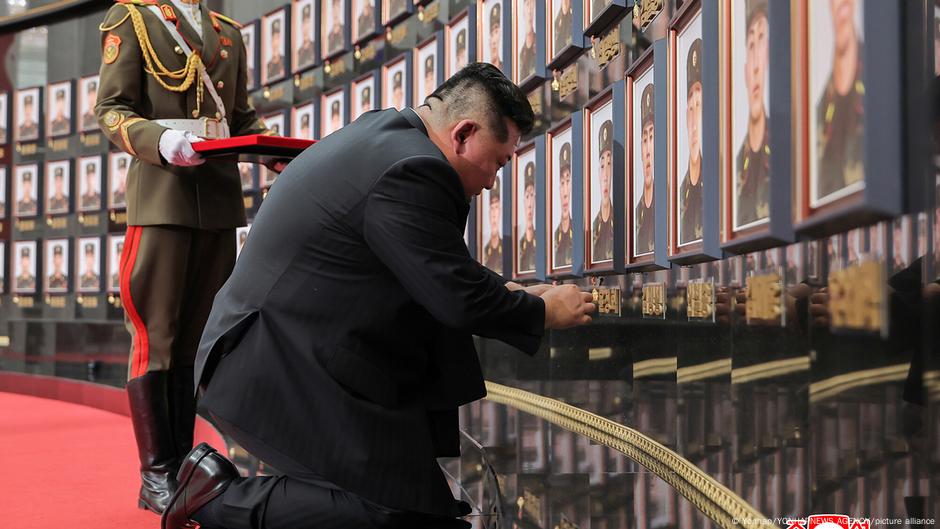
The recent reports of north Korean soldiers fighting alongside Russia in the ongoing conflict paint a complex picture of evolving global alliances and the potential future of military cooperation. This situation, marked by significant casualties and limited transparency, offers a glimpse into a world were customary geopolitical boundaries are being redrawn. Let’s delve into the potential trends and implications of this evolving landscape.
The Rise of Unconventional Military Partnerships
the deployment of North Korean troops to support Russia represents a departure from conventional military alliances. This unconventional partnership highlights a trend where nations, facing international isolation or seeking strategic advantages, are willing to engage in military cooperation outside of established frameworks.This could involve providing manpower, resources, or even technology in exchange for political support, economic benefits, or access to advanced weaponry.
Pro Tip: Keep an eye on countries with strained relations with major global powers. They may be more likely to seek unconventional military partnerships.
The Impact on Global Security
The involvement of North Korean soldiers in the conflict raises serious concerns about global security. The use of foreign troops, especially those from nations with questionable human rights records or nuclear ambitions, can escalate conflicts and destabilize regions. It also sets a precedent for other nations to engage in similar activities, perhaps leading to a proliferation of proxy wars and increased global instability.
Did you know? The use of mercenaries and foreign fighters is not new, but the scale and nature of these deployments are changing, posing new challenges for international law and diplomacy.
Economic and Political Motivations
The motivations behind these military partnerships are often complex, involving a mix of economic and political factors. For North Korea, providing troops to Russia could be a way to secure much-needed economic assistance, access to resources, or a strategic ally in the face of international sanctions. for Russia, it could be a way to bolster its military capabilities and offset losses in the ongoing conflict.
Case Study: The Wagner Group, a Russian private military company, has been involved in conflicts around the world, frequently enough acting as a proxy for Russian interests. This demonstrates the growing role of private military actors in shaping global conflicts.
The Future of International Relations
The trends we are witnessing suggest a future where international relations are increasingly fluid and unpredictable. Traditional alliances might potentially be challenged by new partnerships, and the lines between state and non-state actors may become blurred. This will require a more nuanced approach to diplomacy and a greater emphasis on international cooperation to address the challenges posed by these evolving dynamics.
FAQ: Frequently Asked Questions
Q: What are the potential long-term consequences of these military partnerships?
A: Increased global instability, the proliferation of proxy wars, and a weakening of international norms.
Q: How can the international community respond to these trends?
A: Through stronger diplomatic efforts, targeted sanctions, and support for international law and human rights.
Q: What role does technology play in these evolving military dynamics?
A: Technology is crucial, from surveillance and communication to the use of advanced weaponry, which can substantially impact the nature and scale of conflicts.
Q: Are there any past precedents for these types of military partnerships?
A: Yes, throughout history, nations have relied on foreign troops and mercenaries, but the current scale and context are unique.
Q: What are the implications for human rights?
A: These partnerships often involve countries with poor human rights records, raising concerns about the treatment of soldiers and civilians in conflict zones.
Reader Question: What are your thoughts on the role of international organizations in mediating these conflicts? Share your insights in the comments below!
If you found this analysis insightful, explore our other articles on global security and international relations. Subscribe to our newsletter for the latest updates and in-depth analysis.
