
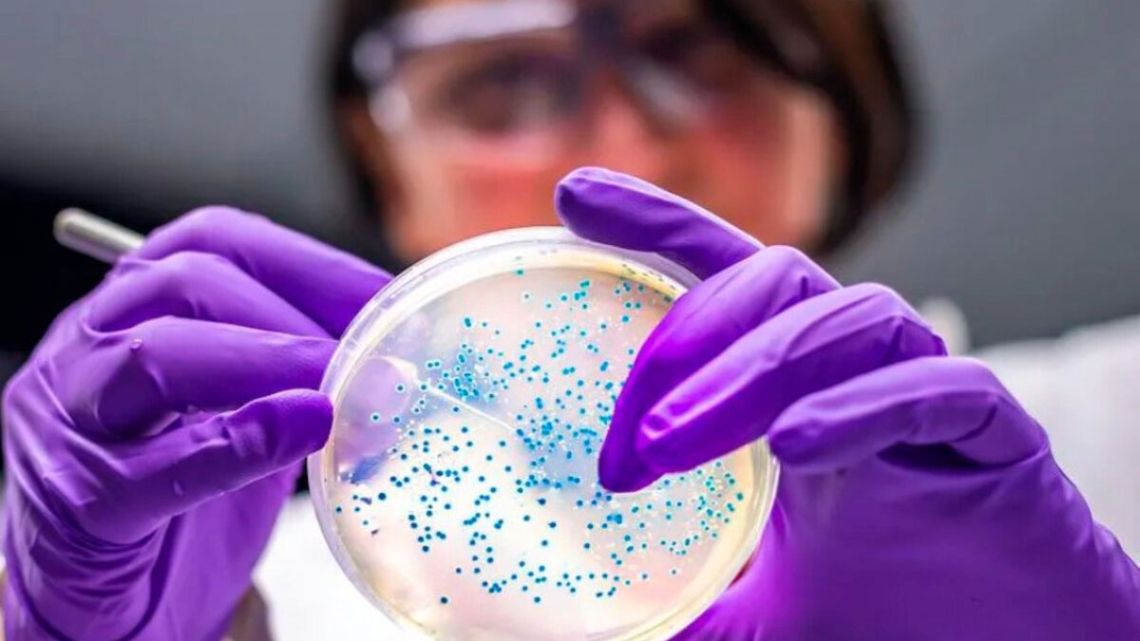
Argentina’s National Administration of Drugs, Foods, and Medical Technology (ANMAT) has authorized a recent combination antibiotic designed to combat severe hospital-acquired infections in adult patients. This regulatory approval targets highly resistant Gram-negative bacteria, providing a critical new tool for clinicians treating patients in intensive care units (ICUs) and other high-risk hospital environments.
The authorized treatment combines aztreonam and avibactam
, a pharmaceutical pairing developed to address multi-resistant pathogens that have ceased responding to conventional antimicrobial therapies. This medical advancement is specifically intended for severe cases acquired during hospitalization, including pneumonia and complicated urinary or intra-abdominal infections.
The arrival of this treatment comes amid a growing public health crisis regarding antimicrobial resistance. Recent data highlights the severity of the situation in Argentina, where some reports indicate a staggering mortality rate, with three deaths per hour
linked to these health threats. A study by the Argentine Society of Infectious Diseases revealed a 41% mortality rate among patients suffering from resistant bacterial infections in the country’s hospitals.
The ability of “superbugs” to survive standard antibiotic treatments significantly complicates patient recovery and increases the risk of fatal complications. By authorizing this new drug combination, health authorities aim to reduce the high fatality rates associated with these infections, particularly for the most critical patients.
This development underscores the ongoing global challenge of antibiotic resistance and the urgent need for innovative therapies to prevent hospital-acquired infections from becoming untreatable. The approval of the aztreonam-avibactam combination represents a strategic step in safeguarding patient safety within healthcare facilities.
