
After a decade since its first attempt, Valve is again entering the console market with a new Steam Machine, building on the momentum of its successful Steam Deck handheld [[1]]. The company is shifting strategies with a fully in-house design and production process, a departure from the previous iteration which relied on partnerships with various manufacturers. Initial reactions to the project,internally nicknamed the “gabecube” [[1]], suggest a focus on performance and customization as Valve prepares for a 2026 launch.
Valve is re-entering the console market with a new Steam Machine, slated for release in November 2025. This marks a significant revival of the project after the initial Steam Machine initiative, launched a decade prior, failed to gain traction. Unlike its first attempt, which relied on third-party hardware manufacturers, Valve is taking a fully integrated approach, designing and producing the new console in-house, leveraging the success of the Steam Deck.
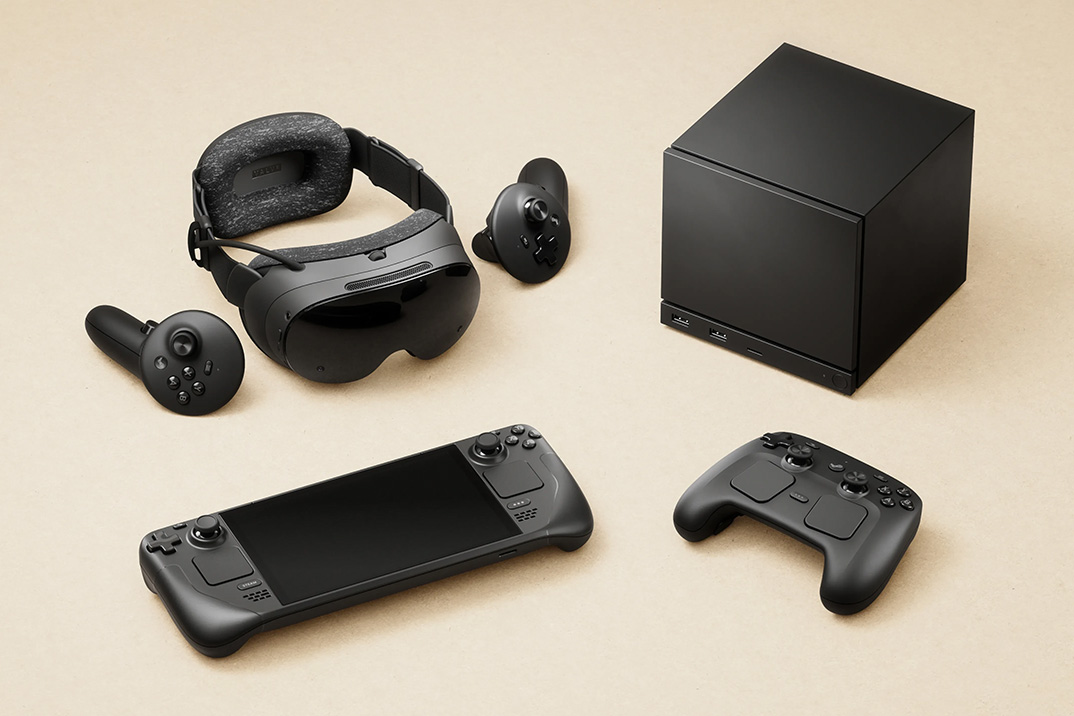
The new Steam Machine boasts a compact form factor, measuring just 6 inches cubed, designed to easily fit beneath most televisions. At its core, the console features a semi-custom AMD Zen 4 six-core CPU, capable of reaching speeds up to 4.8GHz, paired with an RDNA3 GPU running at 2.45GHz. Valve claims this configuration delivers approximately six times the performance of the Steam Deck, with support for 4K resolution gaming at 60 frames per second with ray tracing enabled.
The machine will be equipped with 16GB of DDR5 RAM and 8GB of GDDR6 VRAM, alongside either a 512GB or 2TB SSD for storage, with microSD card expansion available. Cooling is handled by a quiet 120mm fan, complemented by four 8mm heat pipes and an aluminum fin stack, keeping noise levels around 30dB while maintaining a total power draw of approximately 200W.
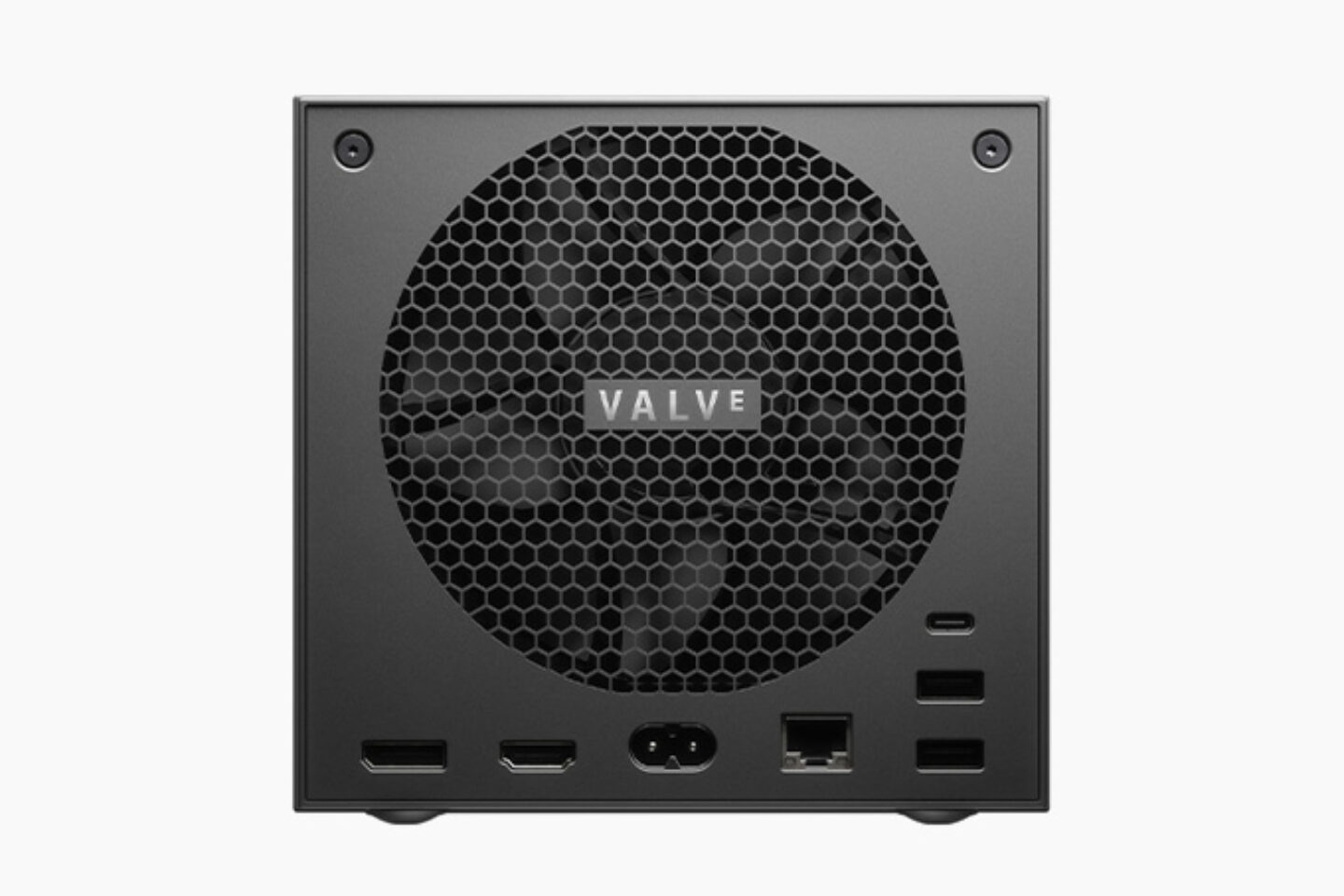
Valve is also incorporating customizable aesthetics, with a magnetically attached front panel designed to accommodate 3D-printed designs. An integrated RGB light strip will display system status and download progress. The custom-designed 10-layer motherboard supports HDMI CEC, allowing for one-touch synchronization with TVs and audio systems. This focus on user customization and seamless integration reflects a broader trend in the gaming hardware market.
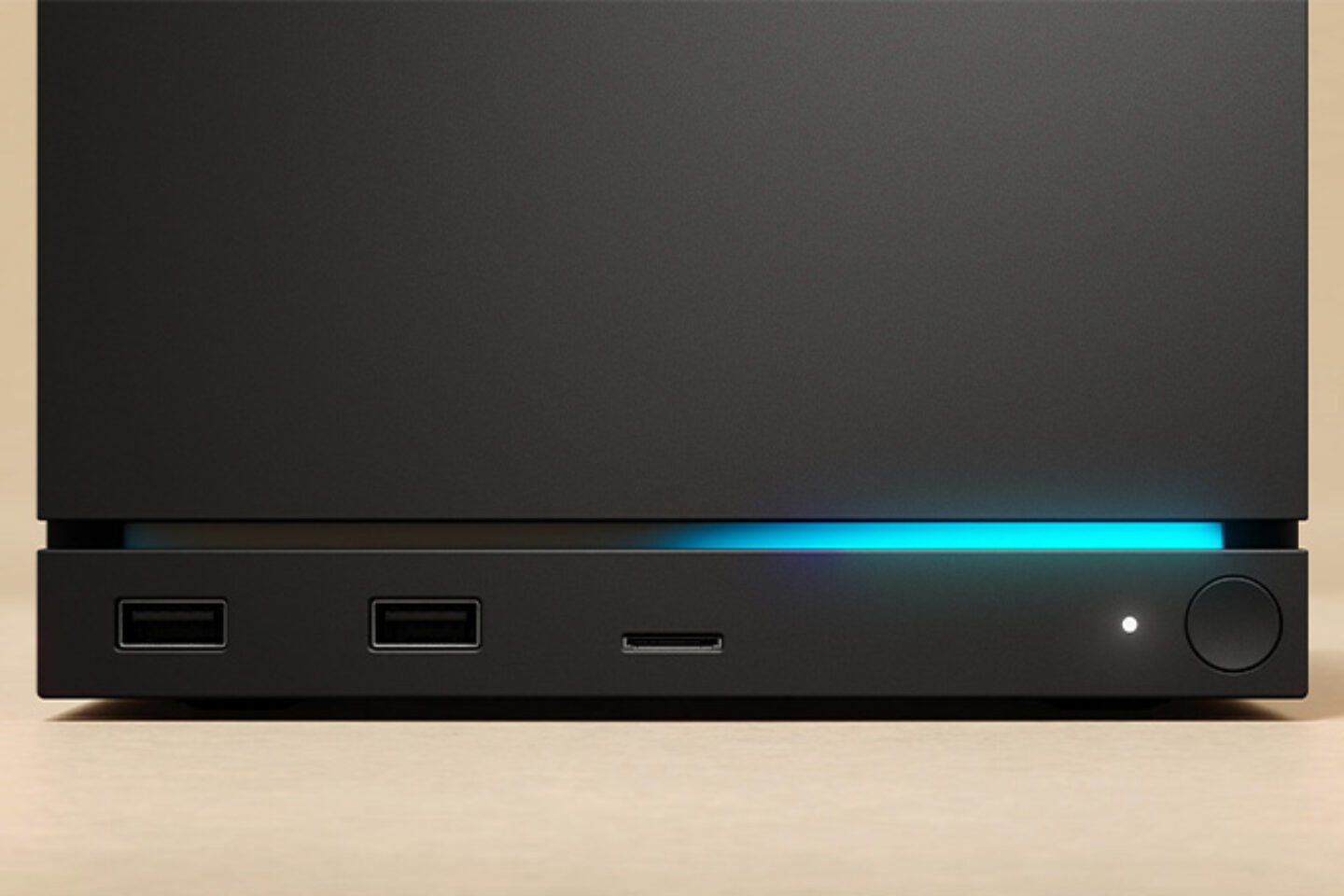
Connectivity options include DisplayPort 1.4, HDMI 2.0, USB-C 3.2 Gen 2, USB-A ports, 1Gbps Ethernet, Wi-Fi 6E, and Bluetooth 5.3. The console will run SteamOS 3, based on Arch Linux and the KDE Plasma desktop environment, and will ship with a new Steam Controller. Valve also revealed that it is currently developing the Steam Frame, a wireless VR headset.
While pricing has not yet been announced, Valve indicated it will be comparable to similarly-equipped PCs. The Steam Machine is expected to launch in early 2026, with both the 512GB and 2TB storage options available at release.
