
On June 1, 2026, Nvidia CEO Jensen Huang unveiled a new PC processor at Taiwan’s Computex conference, sparking a surge in tech stocks and signaling a potential industry shift. The N1X chip, developed with Microsoft, aims to redefine personal computing by integrating AI capabilities into laptops and desktops, with initial releases planned for fall 2026.
Stock Market Fallout and Industry Reactions
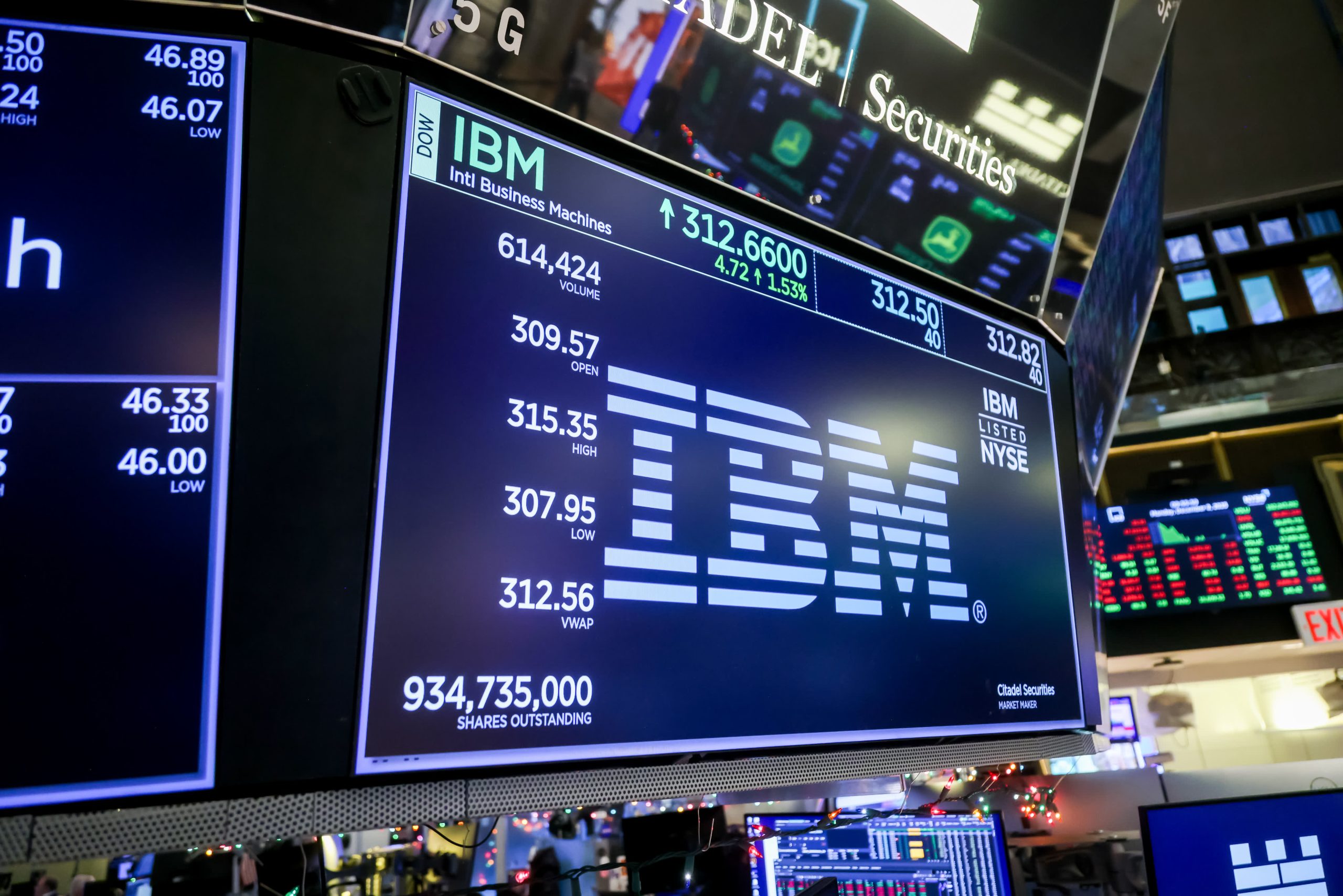
The announcement sent ripples through global markets, with Arm, IBM, and Hewlett Packard among the biggest gainers. Arm shares climbed 14.7%, while IBM surged 8.1% and HP rose 5.8% on June 1, 2026. Investors speculated that the chip’s advanced AI processing could disrupt traditional PC manufacturers like Intel, which saw its stock dip over 3% during morning trade. South Korean tech stocks also benefited, with LG Electronics jumping 29.9% and Samsung rising 10.1% as anticipation grew for potential collaborations with Nvidia.
Reuters reported in 2023 that Nvidia had been working on an Arm-based PC chip, part of Microsoft’s broader push to adopt Arm architecture for its devices. This long-term strategy appears to be paying off, as the N1X’s release coincides with a surge in demand for AI-driven computing solutions.
Technical Breakdown of the N1X Processor
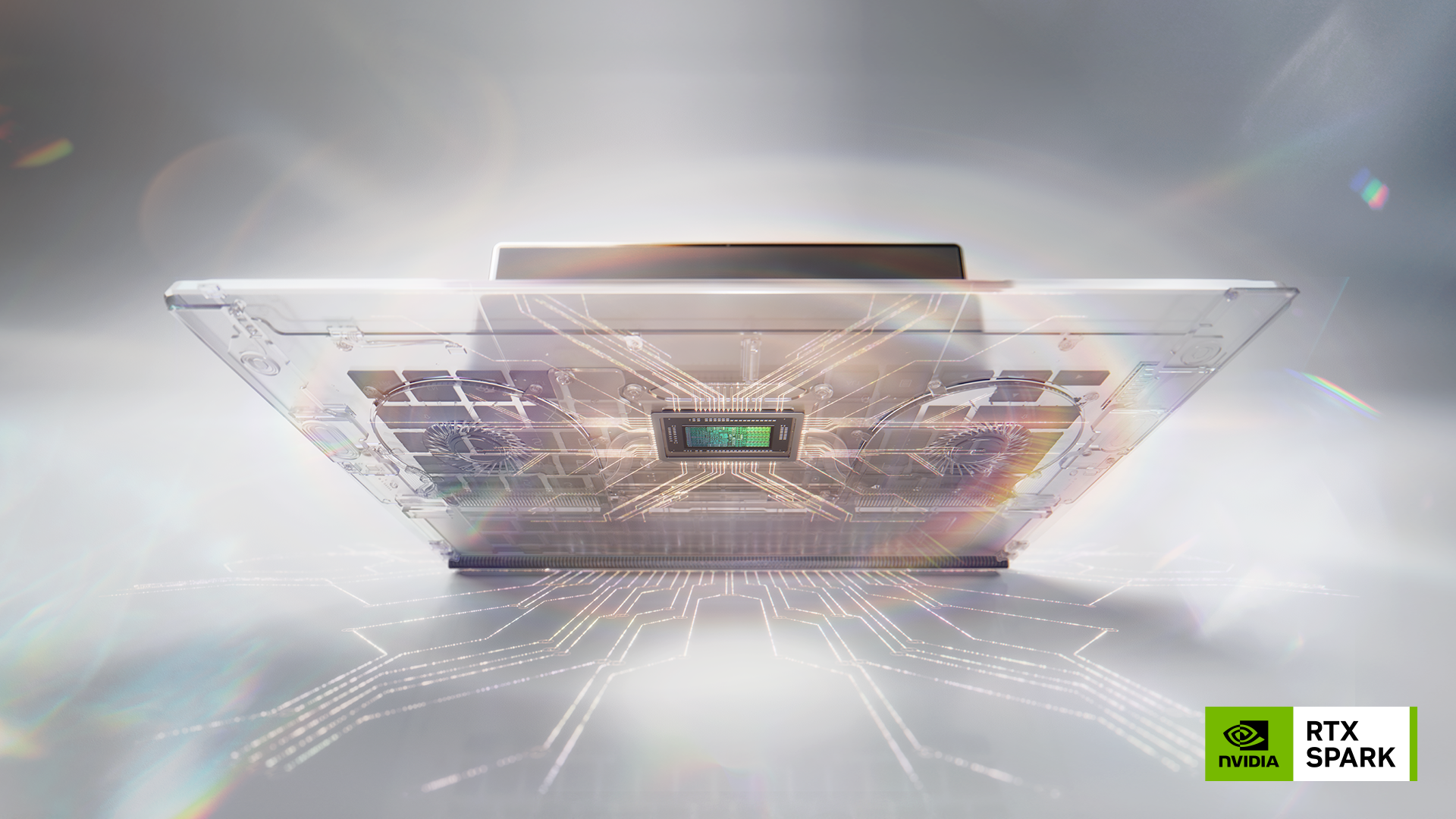
The N1X, later dubbed RTX Spark, combines an NVIDIA Blackwell GPU with a custom Arm-based Grace CPU designed by MediaTek. This fusion provides 1 petaflop of AI performance, 128GB of unified memory, and support for local AI agents, according to NVIDIA’s official announcement. The chip will power a range of Windows laptops and desktops from Dell, HP, ASUS, Lenovo, and MSI, with models from Acer and GIGABYTE to follow.

“This reinvention of the computer is as big of a deal as the reinvention of the phone into what we now know as the smartphone,” Huang stated during his keynote. The processor’s design addresses the growing demand for efficient AI workflows, with Nvidia noting that traditional CPUs were becoming a bottleneck for agentic AI tasks. The chip will be manufactured using Taiwan Semiconductor Manufacturing Company’s 3-nanometer technology, a cutting-edge process currently exclusive to TSMC.
Implications for the PC Industry
The N1X marks the first major overhaul of PC architecture in 40 years, according to Huang, who emphasized its role in transforming computers from tools to “teammates.” The integration of CUDA, RTX, and AI platforms into a single superchip could redefine user interactions, allowing systems to “ask — and the PC does the work,” as outlined in NVIDIA’s press release.
Analysts highlight the broader industry shifts driven by AI. Arm-based processors, once overshadowed by x86 architecture, are gaining traction as companies seek energy-efficient solutions for AI workloads. Huang projected the CPU market could reach $200 billion, underscoring the strategic importance of this move. Meanwhile, competitors like Intel face mounting pressure to innovate, with some industry watchers questioning whether traditional chipmakers can keep pace with Nvidia’s rapid advancements.
Adobe has already pledged to optimize its creative software for the N1X, promising 2x faster AI and graphics performance in applications like Photoshop and Premiere. This collaboration signals a growing ecosystem around the new architecture, which could accelerate its adoption among developers and consumers.
Challenges and Uncertainties
Despite the optimism, challenges remain. The success of the N1X hinges on widespread adoption by OEMs and software developers, as well as consumer demand for AI-integrated devices. Critics point to the steep learning curve for developers transitioning to Arm-based systems and potential compatibility issues with legacy software. Additionally, the reliance on TSMC’s 3-nanometer tech introduces supply chain risks, given the company’s dominance in advanced manufacturing.

Looking ahead, the coming months will be critical. Samsung and LG executives are set to meet with Huang this week, raising hopes for expanded partnerships in AI and robotics. Meanwhile, the broader tech sector watches closely as Nvidia’s gamble on PC reinvention unfolds. Whether the N1X delivers on its promises could reshape the computing landscape for decades to come.
“For forty years, you launched apps. Click. Type. With RTX Spark and Microsoft Windows, you ask — and the PC does the work,” Huang said, encapsulating the transformative vision driving this pivotal moment in tech history.
