Tecsys Inc. introduced a suite of artificial intelligence capabilities on May 27, 2026, designed to integrate with its supply chain management software. The Montreal-based company aims to address inventory shortages, operational waste, and regulatory compliance risks by leveraging machine learning models to automate complex decision-making processes for enterprise-level logistics and healthcare providers.
Integrating Artificial Intelligence into Supply Chain Operations
The software update, deployed across the Tecsys Elite platform, introduces predictive analytics modules specifically engineered to manage volatility in complex supply networks. By analyzing historical performance data alongside real-time market signals, the system identifies potential inventory imbalances before they manifest as critical shortages. This shift represents a transition from reactive inventory management to a prescriptive model, where the software suggests procurement adjustments based on projected demand fluctuations rather than static reorder points.
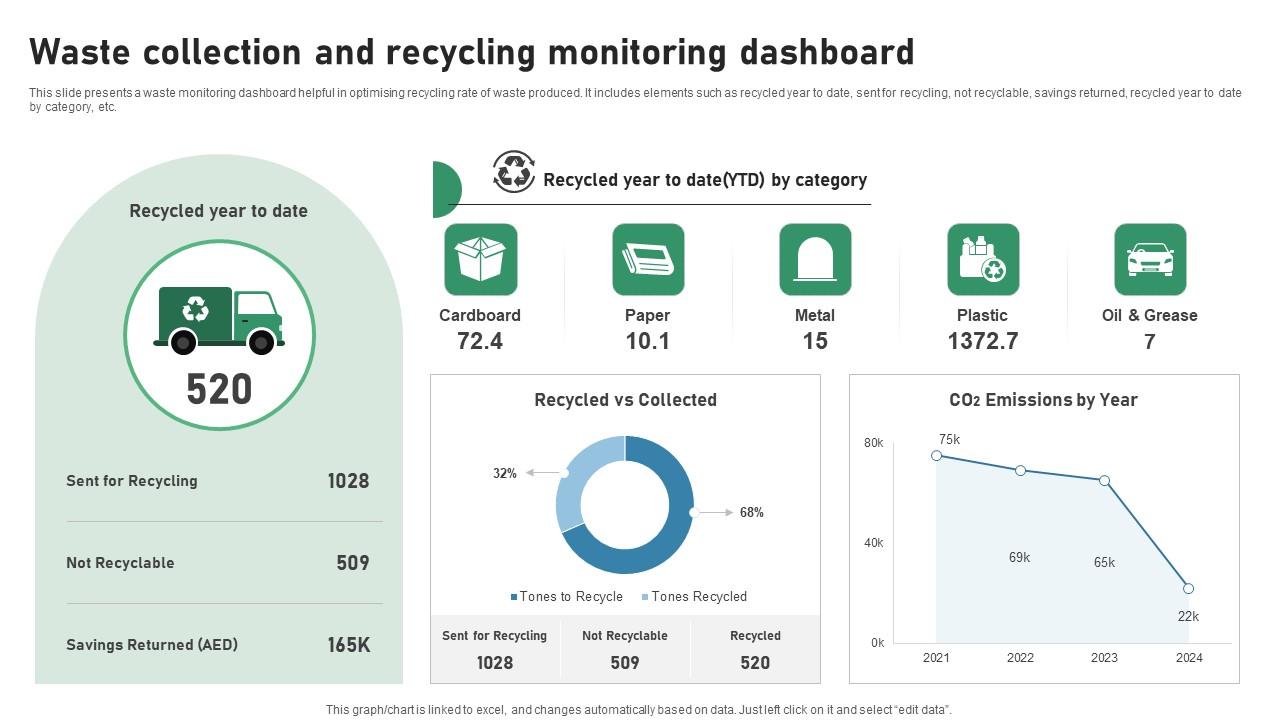
For healthcare providers and high-volume distribution centers, the update addresses the issue of “dead stock”—products that expire or become obsolete before reaching the end user. The AI component monitors shelf life and consumption rates, automatically flagging items that require redistribution or discounting. This functionality targets the reduction of waste, a significant cost driver in pharmaceutical and medical device supply chains where compliance and expiration protocols are strictly enforced.
Compliance and Risk Mitigation Frameworks
Regulatory compliance remains a primary focus of the new deployment. Tecsys has embedded automated auditing tools that track product provenance and handling requirements, ensuring that shipments adhere to international trade standards and regional health safety mandates. By digitizing the compliance trail, the platform reduces the manual oversight typically required to document complex logistics chains.
The system utilizes natural language processing to monitor regulatory updates, allowing the software to adjust its internal validation rules when government policies change. This automated adaptation is intended to mitigate the risk of financial penalties associated with non-compliance in the pharmaceutical and food and beverage sectors. Executives at the firm emphasize that the goal is to standardize compliance workflows, reducing the variance that often leads to errors during high-volume shipping periods.
By embedding intelligence into the core of supply chain execution, we are moving beyond simple data visualization. Our focus is on enabling organizations to preemptively address the variables that lead to waste and non-compliance, effectively turning logistics data into a strategic asset for risk management.
Tecsys AI dashboard waste reduction metrics
Bill King, Chief Product Officer at Tecsys
Operational Implications for Enterprise Logistics
Tecsys' No-Code Digital Twin Dashboard Revolutionizes Supply Chain Management
The deployment of these AI capabilities comes as enterprises face increasing pressure to improve margins while navigating erratic supply side conditions. The Tecsys platform, which historically focused on warehouse management and point-of-use systems, now functions as a unified control tower. By centralizing data from disparate sources—including supplier portals, transportation management systems, and internal inventory ledgers—the AI identifies dependencies that are often invisible to human operators.
The technical architecture relies on cloud-based processing, allowing the software to scale as the volume of transaction data increases. This infrastructure is critical for firms managing thousands of stock-keeping units (SKUs) across multiple geographic jurisdictions. The system generates actionable insights, such as recommending alternative suppliers when a primary source shows signs of instability or suggesting optimal shipping routes to avoid local port congestion.
Analysts tracking the logistics software sector note that the value of such tools lies in the reduction of “hidden” costs. While inventory carrying costs are easily measured, the indirect costs associated with supply chain disruptions—such as expedited shipping fees, lost sales due to stockouts, and legal costs from compliance breaches—often remain unquantified until they impact the bottom line. The Tecsys initiative seeks to quantify these risks, allowing managers to allocate capital more efficiently.
Future Outlook and Market Context
Looking toward the remainder of 2026, the adoption of these AI modules will likely depend on the ability of client organizations to integrate the software with existing enterprise resource planning (ERP) systems. Tecsys has confirmed that the new features are backward compatible with current versions of its Elite platform, minimizing the need for extensive hardware overhauls.
The company remains cautious about the pace of implementation, noting that training personnel to interpret AI-generated recommendations is as important as the software itself. As the industry continues to move toward autonomous logistics, the effectiveness of these tools will be tested against the backdrop of global trade uncertainty and evolving labor market conditions. The company’s focus for the next two quarters remains on refining the accuracy of its predictive models based on user feedback from current pilot programs in the North American healthcare sector.
Bio:
Michael Brown is the Business Editor at Headlinez.News, specializing in financial markets, economic policy, and corporate developments. A seasoned business journalist with more than 14 years in the field, Michael has covered Wall Street, global trade, and the evolving tech-economy interface. His data-driven approach and accessible analysis help readers understand complex economic issues with clarity and depth.
Expertise: Financial markets, economic poli