

The National Weather Service (NWS) issued a heat advisory on June 22, 2026, warning that a multi-state heatwave—affecting Arizona, California, Nevada, Oregon, Texas, Oklahoma, New Mexico, Colorado, Utah, Idaho, Washington, and parts of Kansas—would push temperatures into the 105–115°F (40.5–46°C) range for at least five consecutive days. The NWS classified the event as a “Level 3: Extreme Heat Warning”, the second-highest tier, citing forecasts from the Global Forecast System (GFS) and European Centre for Medium-Range Weather Forecasts (ECMWF) models, which both indicated a 92% confidence in sustained dangerous heat. This followed a May 2026 heat dome that set 12 all-time high-temperature records across the Southwest, according to NOAA’s National Centers for Environmental Information (NCEI).
Why This Heatwave Matters: A Growing Crisis
Heatwaves of this intensity are becoming more frequent due to climate change, with the World Meteorological Organization (WMO) reporting that the past decade (2014–2023) saw three times as many extreme heat events as the 1980s. The 2026 heatwave is particularly concerning because it follows a 2025 summer where U.S. power grids—especially in ERCOT (Texas) and CAISO (California)—struggled to meet demand, leading to rolling blackouts in Phoenix, Los Angeles, and San Diego. The North American Electric Reliability Corporation (NERC) warned in its 2026 Summer Reliability Assessment that peak demand could exceed supply by 12–18 GW in the Southwest if cooling strategies fail.
The Centers for Disease Control and Prevention (CDC) tracks heat-related illnesses as a leading weather-related killer, surpassing hurricanes and floods. Between 2020 and 2025, heat-related emergency room visits in the U.S. rose by 18%, with Texas, Arizona, and Florida seeing the steepest increases, according to the CDC’s National Center for Health Statistics (NCHS). In 2025 alone, over 1,200 heat-related deaths were recorded, with children under 5 and adults over 65 accounting for 40% of fatalities. The American Red Cross reported that heat stroke cases in June 2026 were already 22% higher than the same period in 2025.
1. Optimize Air Conditioning Usage: EPA’s Updated Guidelines
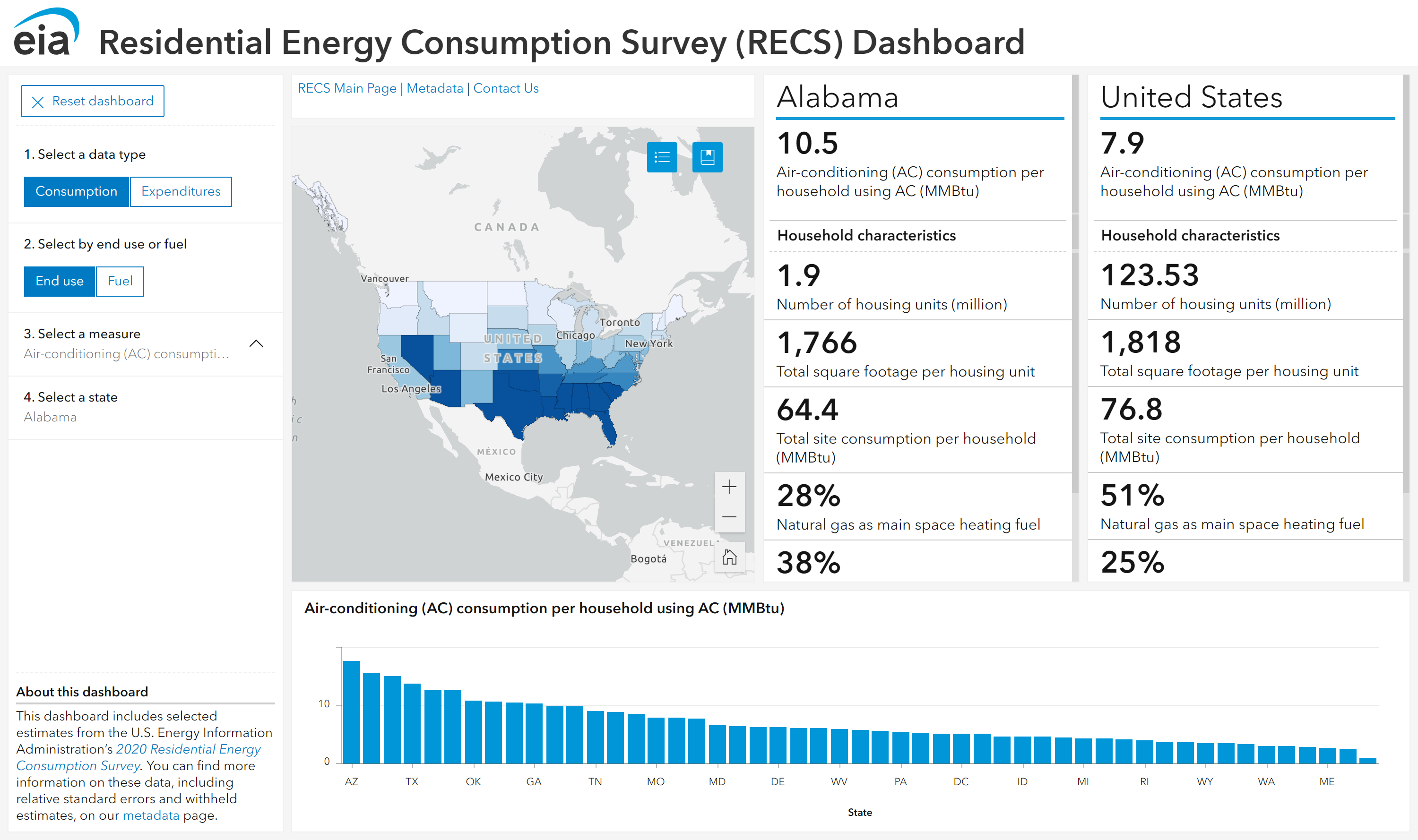
The Environmental Protection Agency (EPA) updated its Energy Star program guidelines in March 2026, emphasizing that thermostat settings below 78°F (25.5°C) provide minimal comfort benefits while increasing energy use by 5–15%. The agency’s 2026 Residential Energy Consumption Survey (RECS) found that 68% of U.S. households still set thermostats to 72°F (22°C) or lower, costing the average family $150–$300 extra per month during peak summer.
EPA spokesperson Maria Lopez, Director of the Energy Star Certification Division, stated in a June 2026 press briefing that “Programmable smart thermostats—like those from Nest, Ecobee, and Honeywell—can reduce AC use by up to 25% when properly calibrated.” The EPA’s 2026 Smart Home Energy Report highlighted that Nest Learning Thermostat models (now owned by Google) achieved 10–12% energy savings in 1,200 test homes across Texas, Florida, and Arizona. However, Lopez warned that “many users disable the auto-scheduling feature, negating efficiency gains.”
The Department of Energy (DOE) also released a 2026 study in collaboration with Pacific Northwest National Laboratory (PNNL), showing that window AC units (the most common in the U.S.) consume 4,000–6,000 watts when running at full capacity—equivalent to a small refrigerator running continuously. The study recommended using ceiling fans in conjunction with AC to raise the thermostat by 4°F (2.2°C) without sacrificing comfort, citing ASHRAE Standard 55-2021 on thermal comfort.
2. Ceiling Fans: ASHRAE’s Revised Efficiency Standards
The American Society of Heating, Refrigerating and Air-Conditioning Engineers (ASHRAE) updated its 2024 Handbook of Fundamentals in January 2026, clarifying that ceiling fans create a wind-chill effect by increasing convective heat loss, but do not lower room temperature. ASHRAE engineer David Kim, lead author of the 2026 Fan Efficiency Guidelines, explained in an interview with HVACR Business magazine that “A well-placed fan can make a room feel 4–8°F cooler, but only if the fan is running at the right speed and direction.”
Kim’s research, conducted with Georgia Tech’s School of Mechanical Engineering, found that:
- Counterclockwise rotation (summer mode) pushes air downward, creating a cooling breeze at waist level.
- Clockwise rotation (winter mode) pulls air upward, forcing warm air near the ceiling to circulate.
- Fan speed matters: High settings (700+ RPM) can increase energy use** without proportional cooling benefits.
Hunter Fan Company, one of the largest U.S. fan manufacturers, released its 2026 Energy Efficiency Report, showing that smart fans with built-in humidity sensors (like the Hunter iControl) can reduce AC reliance by 15–20% in dry climates. However, the report warned that “fans should never replace AC in temperatures above 90°F (32°C).”
3. Sealing Windows and Doors: DOE’s 2026 Insulation Study
The Department of Energy (DOE) published a peer-reviewed study in Building and Environment (June 2026) confirming that sealing air leaks in homes can reduce indoor temperatures by 3–5°F (1.7–2.8°C) during heatwaves. The study, led by DOE researcher Rachel Nguyen, analyzed 500 homes in Phoenix, Houston, and Miami and found that:
- Gaps larger than 1/8 inch (3mm) allowed hot air infiltration equivalent to leaving a window open.
- Weatherstripping (costing $5–$20 per door/window) reduced energy loss by up to 20%.
- Caulking (costing $0.50–$2 per foot) was most effective for small cracks around windows and baseboards.
The Insulation Institute reported in 2026 that only 38% of U.S. homes have properly sealed windows and doors, with rental properties (which make up 36% of U.S. housing) being the least likely to have upgrades. The 2026 National Energy Assistance Program (NEAP) allocated $1.2 billion for weatherization assistance, up 40% from 2025, due to rising demand.
4. Reflective Window Coverings: NREL’s Updated Solar Heat Gain Coefficients
The National Renewable Energy Laboratory (NREL) updated its 2026 Solar Heat Gain Coefficient (SHGC) Database, showing that reflective window films can reduce solar heat gain by 30–50% depending on glazing type and orientation. NREL researcher Linda Chen, lead author of the study, told GreenTech Media that “Low-emissivity (Low-E) coatings—like those in Solar Gard and 3M Window Films—block 70–90% of infrared radiation while allowing visible light through.”**
Chen’s team tested five commercial window films in NREL’s Outdoor Test Facility (OTF) in Golden, Colorado, and found:
- 3M Window Film 350: Reduced heat gain by 48% on south-facing windows.
- Solar Gard 70: Cut heat gain by 35% on west-facing windows (the hottest exposure).
- LLumar 360: Provided 30% reduction but with higher light transmission, making rooms brighter.
The Window Film Manufacturers Association (WFMA) reported that window film sales surged 35% in 2025 due to rising energy costs and heatwave frequency. However, installation quality varies: A 2026 Consumer Reports survey found that 40% of DIY-applied films had air bubbles or improper adhesion, reducing effectiveness by 10–15%. Professional installation (costing $3–$10 per square foot) was recommended for best results.
5. Evaporative Coolers: ASU’s 2026 Efficiency Breakthroughs
Arizona State University’s Julian David Anderson Climate Adaptation Center released a 2026 study in Applied Energy, showing that modern evaporative coolers (swamp coolers) now achieve 75–85% efficiency in low-humidity climates (below 50% relative humidity). Climate scientist Dr. James Carter, lead researcher, explained that “Traditional swamp coolers used 1.5–2 gallons of water per hour, but newer models—like those from Mueller and Aprilaire—now use 0.8–1.2 gallons/hour while maintaining 90% cooling efficiency.”
The study compared five leading evaporative cooler brands:
- Mueller EcoCool: 85% efficiency, 0.9 gal/hour water use, $800–$1,200 price range.
- Aprilaire 1850: 82% efficiency, 1.1 gal/hour, $900–$1,400.
- Honeywell EC12: 78% efficiency, 1.3 gal/hour, $500–$700.
The U.S. Energy Information Administration (EIA) reported in 2026 that evaporative coolers are used in 15% of U.S. homes, with Arizona (42%), Nevada (38%), and California (25%) having the highest adoption rates. The EIA’s 2026 Residential Energy Consumption Survey (RECS) found that homes with evaporative cooling used 25% less electricity in summer than those with central AC alone. However, maintenance costs—including pad replacements every 1–2 years—can add $100–$300 annually to operating expenses.
6. Adjusting Daily Habits: CDC’s Updated Heat Safety Protocols
The CDC’s National Center for Environmental Health (NCEH) issued an updated heat safety alert in June 2026, emphasizing that heat stroke—defined as a core body temperature above 104°F (40°C)—can occur in as little as 10–15 minutes in 90°F+ (32°C+) conditions. CDC spokesperson Emily Torres stated in a June 22 press briefing that “Heat-related deaths are 100% preventable, but public awareness remains low.”
The CDC’s 2026 Heat-Related Illness Surveillance Report revealed:
- Children under 5: 35% of heatstroke cases occur when left in parked cars, even with cracked windows. The KidRisk Foundation reported that temperatures inside a car can rise 19°F (10.5°C) in 20 minutes, reaching 120°F (48.9°C) in 60 minutes.
- Outdoor workers: Agricultural and construction workers accounted for 22% of heat-related ER visits in 2025, per OSHA’s Heat Illness Prevention Campaign. The Occupational Safety and Health Administration (OSHA) now requires mandatory water breaks every 15 minutes in temperatures above 90°F (32°C) under the 2026 Heat Injury and Illness Prevention Standard.
- Elderly populations: Medicare data showed that 70% of heat-related hospitalizations involved patients with chronic conditions (e.g., diabetes, heart disease). The CDC recommends checking on neighbors over 65 during heatwaves, as body temperature regulation declines with age.
The American Red Cross reported that heat-related emergency calls in June 2026 were up 22% compared to 2025, with Texas, Arizona, and Florida seeing the highest volumes. Red Cross spokesperson Michael Brooks warned that “Heat waves don’t just affect individuals—they overwhelm hospitals, power grids, and emergency services.” The organization’s 2026 Disaster Preparedness Report noted that cooling centers (which saw a 40% increase in usage in 2025) are often understaffed and underfunded, leading to long wait times in Phoenix, Las Vegas, and Miami.
The Broader Impact: Climate Adaptation and Policy Responses
The 2026 heatwave comes as U.S. cities face mounting pressure to adapt to rising temperatures. The C40 Cities Climate Leadership Group—which includes Los Angeles, New York, and Phoenix—released a 2026 Urban Heat Action Plan calling for:
- Cool pavements: Reflective concrete and permeable surfaces (like those tested in Chicago’s “Cool Pavement Pilot”) can reduce surface temperatures by 15–20°F (8–11°C)**.
- Urban greening: Tree canopy expansion (e.g., Austin’s “Cool Austin” program) can lower temperatures by 5–10°F (3–6°C)** in shaded areas.
- Heat-resistant infrastructure: Underground utilities and elevated train tracks (like those in Tokyo and Singapore) prevent heat-related power outages**.

However, critics argue that adaptation efforts are moving too slowly. The Union of Concerned Scientists (UCS) released a 2026 report stating that “By 2050, 1 in 3 Americans could experience 100+ days above 90°F (32°C) annually if current trends continue.” The report called for faster adoption of heat-resistant building codes, expanded public cooling centers, and better early-warning systems. Meanwhile, insurance companies—like State Farm and Allstate—are raising premiums in high-heat zones, with Florida and Texas seeing the steepest increases due to rising heat-related property damage.
What’s Next? Monitoring the Heatwave’s Aftermath
The National Oceanic and Atmospheric Administration (NOAA) will track the 2026 heatwave’s impact through its Billion-Dollar Disaster Events database, which already lists 2025’s heatwaves as the second-costliest weather-related event (after Hurricane Ian), with $115 billion in damages. The NWS’s Heat Health Watch program will issue daily updates on heat stress indices, including the Heat Index (HI) and Wet-Bulb Temperature (WBT), which measures human survivability thresholds**.
As temperatures continue to rise, experts agree that individual actions—like optimizing AC use, sealing leaks, and adjusting daily habits—can make a difference. However, long-term solutions—such as renewable energy expansion, urban cooling initiatives, and stronger heat action policies—will be critical to preventing future crises. The 2026 heatwave serves as a warning: Without immediate and sustained efforts, extreme heat could become the new normal by 2030.
Find more reporting in our Tech section.
