
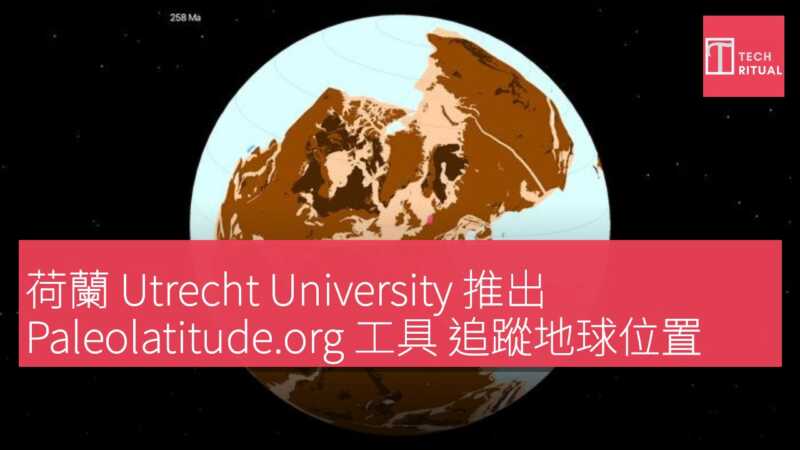
Utrecht University in the Netherlands has launched a new tool, Paleolatitude.org, designed to track the changing positions of Earth’s landmasses over the last 320 million years.
The platform allows researchers and enthusiasts to explore ancient latitudes, providing a dynamic visualization of continental drift throughout geological time. This development offers a valuable resource for paleogeographic reconstruction and understanding the Earth’s long-term climate evolution.
Paleolatitude.org compiles data from numerous sources to create a comprehensive and interactive map. Users can input specific locations and timeframes to determine the paleolatitude – the latitude at a particular point in the past – of that area. The tool’s interface allows for detailed analysis of how landmasses have migrated across the globe.
The university stated that the project aims to produce paleolatitude data more accessible to the scientific community and the public. By providing a user-friendly platform, Paleolatitude.org facilitates research in fields such as paleoclimatology, biogeography and plate tectonics. The availability of this data in a readily accessible format is expected to accelerate discoveries in these areas.
The launch of Paleolatitude.org underscores the growing trend of utilizing digital tools for complex geological research. Such initiatives demonstrate how technology can unlock new insights into Earth’s history and contribute to a deeper understanding of our planet’s dynamic processes.
