
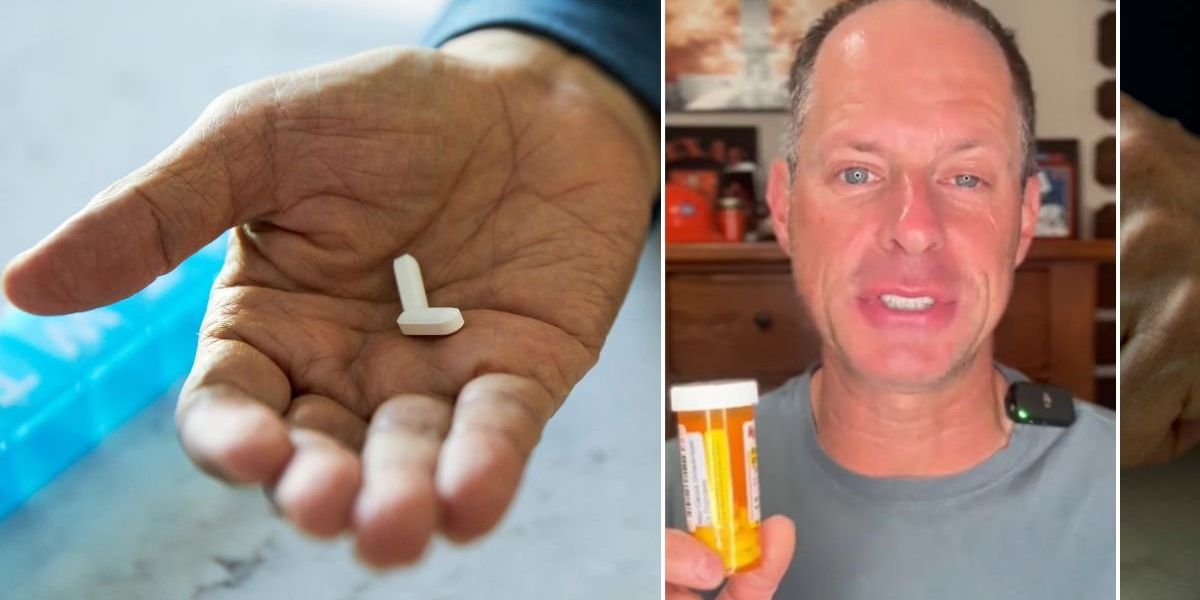
Texas Pharmacist Lists Three Common Drugs He Won’t Take, Sparks Debate
A Texas pharmacist has ignited a conversation about common prescription medications, revealing three widely used drugs he personally avoids and suggesting alternative approaches to health concerns.
Steve Hoffart, who operates Magnolia Pharmacy in Magnolia, Texas, detailed his concerns in a recent video, outlining potential drawbacks of non-steroidal anti-inflammatory drugs (NSAIDs) like ibuprofen and naproxen, proton pump inhibitors (PPIs) such as omeprazole, and statins used to lower cholesterol. Hoffart believes NSAIDs “wreak havoc on your gut and cause leaky gut,” potentially leading to kidney damage and cartilage destruction, even linking them to the increase in knee and hip replacement surgeries. He questioned, “Why do you think there are so many dialysis places nowadays?”
Regarding PPIs, Hoffart explained that stomach acid is crucial for nutrient absorption, stating, “You need stomach acid to absorb your protein and absorb nutrients like iron, magnesium, and B12.” He also cited research suggesting long-term use could increase fracture risk and contribute to cognitive issues, warning that “studies with PPI show that long-term use can actually increase your risk of fractures and cause problems with dementia.” The widespread use of these medications means millions could be affected by potential long-term side effects. For more information on managing heartburn, consider resources from the Mayo Clinic.
Finally, Hoffart challenged the conventional view of cholesterol, arguing, “Cholesterol is not the problem. Cholesterol in a bad environment is the problem.” He expressed concern that statins deplete essential nutrients like CoQ10 and vitamin D, and potentially lower sex hormones, increase the risk of type 2 diabetes, and even contribute to dementia. Understanding your cholesterol levels is an important part of preventative healthcare; learn more about cholesterol from the Centers for Disease Control and Prevention.
The pharmacist’s claims are prompting further discussion about the root causes of health issues and alternative treatment options, and medical professionals are expected to weigh in on his assertions in the coming days.
