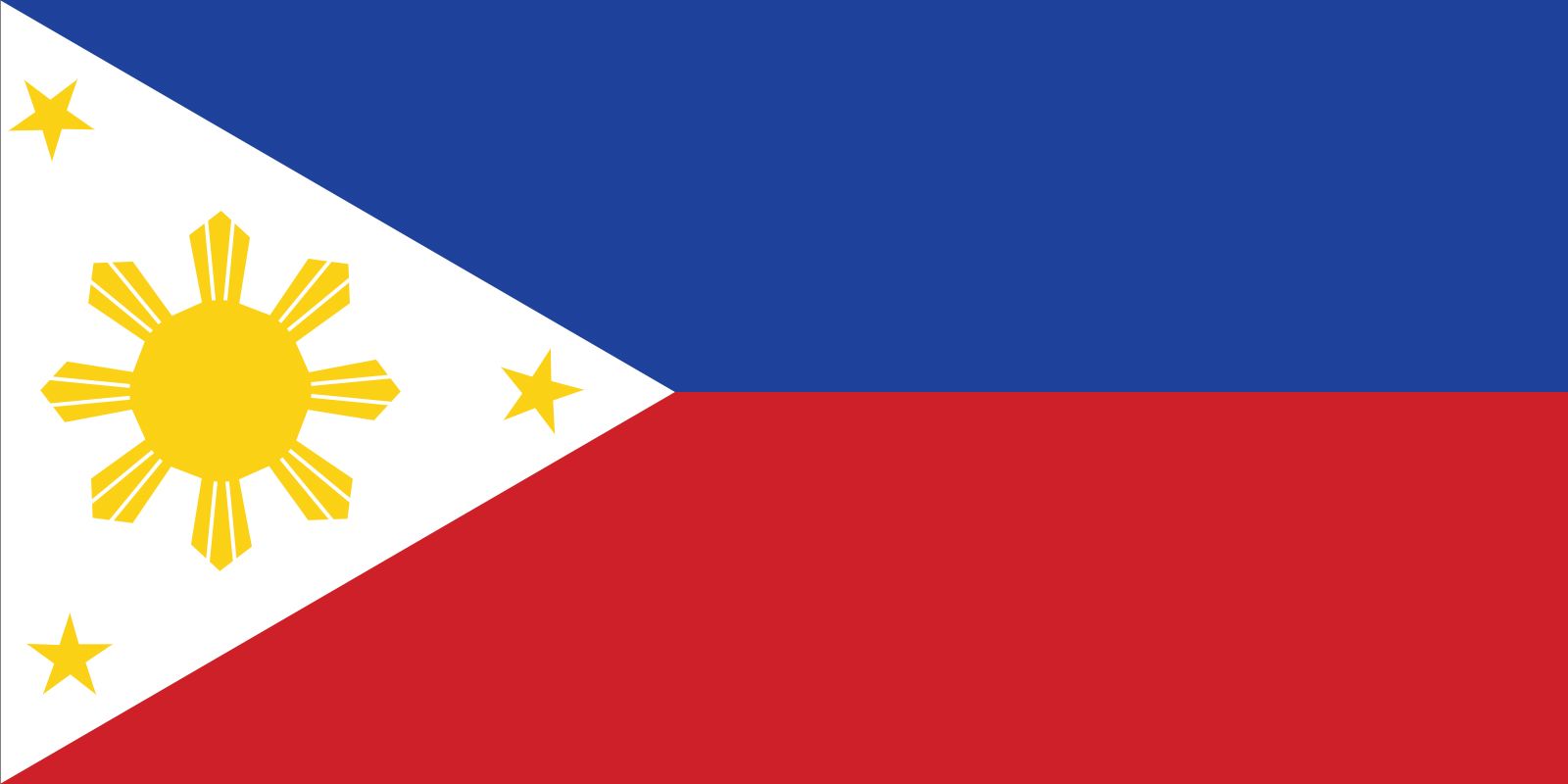
The Philippines, an archipelago of over 7,000 islands in the western Pacific, is a nation of stark contrasts. With a 2026 population of 114.5 million and a capital in Manila, it balances centuries of colonial legacy with rapid modernization. Yet, its political history, marked by authoritarian rule and popular uprisings, remains a defining thread. As the country navigates its future, the interplay of geography, culture, and governance shapes its global role. https://www.britannica.com/place/Philippines
Geographic Diversity: A Nation of Islands and Contrasts
Southeast Asia
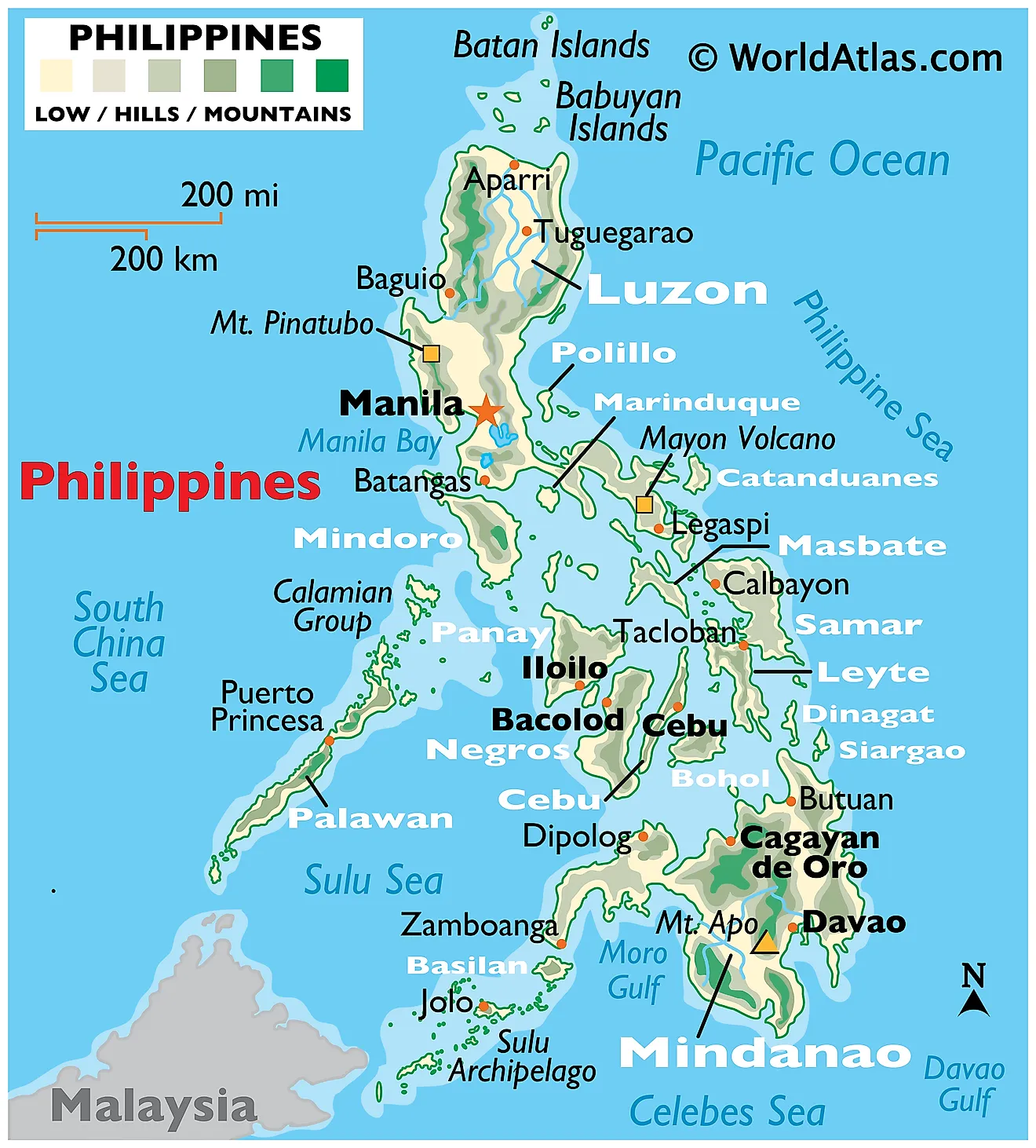
The Philippines’ physical makeup is as varied as its cultural identity. Spanning 347,681 square kilometers, the archipelago is divided into three main regions: Luzon, Visayas, and Mindanao. Luzon, the largest and most populous island, features the rugged Cordillera Central and fertile Central Plains, while Mindanao, the second-largest, hosts the country’s highest peak, Mount Apo, and diverse ecosystems. The Visayas, a central cluster of islands, includes Cebu’s dense urban centers and Bohol’s iconic Chocolate Hills. https://www.worldatlas.com/maps/philippines
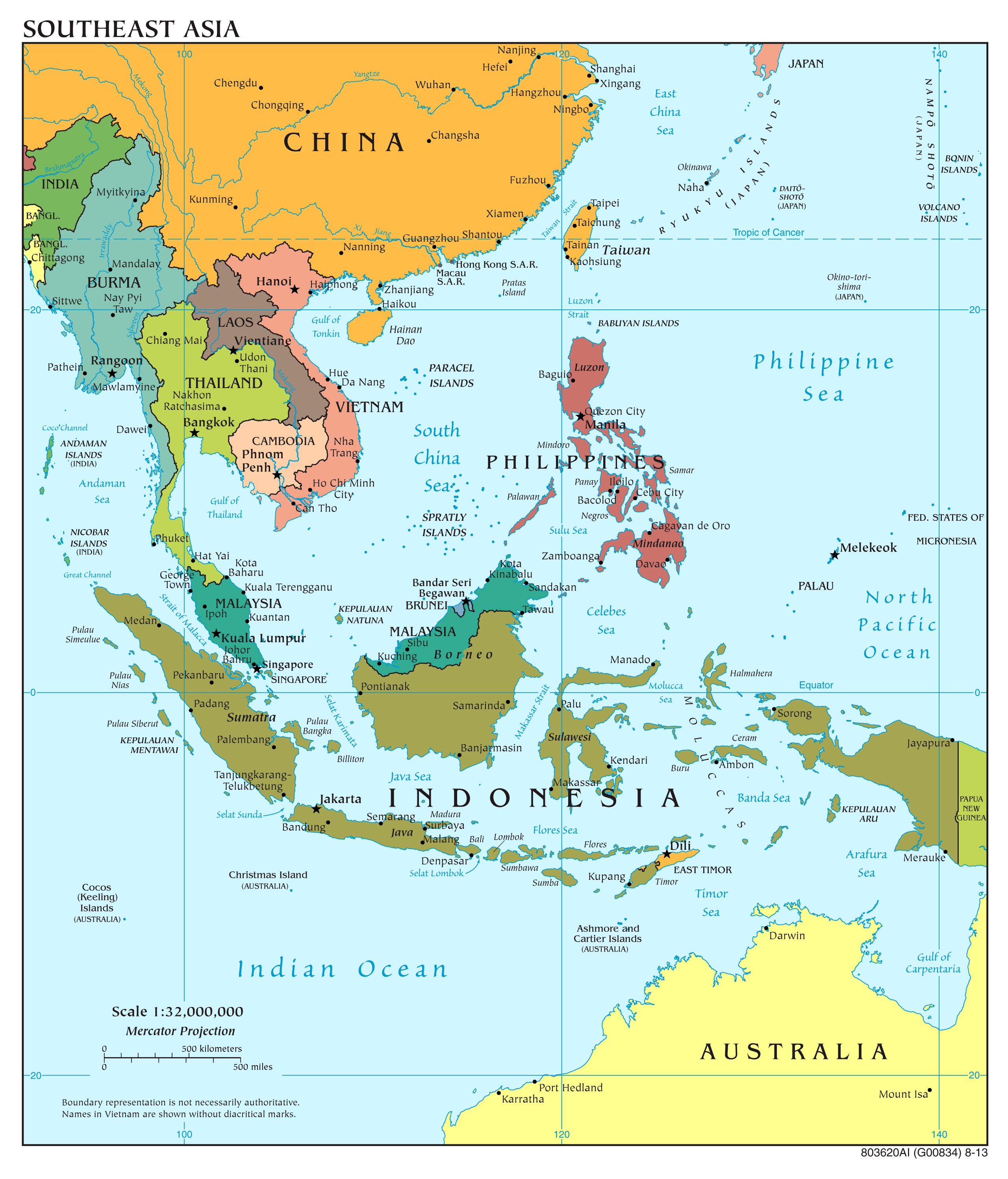
This geographic fragmentation has historically influenced regional dynamics. The northern islands, like Luzon, tend to be more developed and politically central, whereas Mindanao’s mountainous terrain and ethnic diversity have long posed challenges for national cohesion. The Philippines’ maritime boundaries—with Vietnam to the west, Taiwan to the north, and Indonesia to the south—also position it as a strategic crossroads in Southeast Asia. https://www.worldatlas.com/maps/philippines
Political Legacy: From Colonial Rule to Democratic Resilience
cluster (priority): visitphilippines.ph
The nation’s political trajectory is deeply tied to its colonial past. Named after Spain’s King Philip II, the Philippines was a Spanish colony for 333 years before U.S. occupation reshaped its institutions. This dual legacy left a profound mark: English remains an official language, and Roman Catholicism dominates, yet the country’s aspirations are distinctly Asian. https://www.britannica.com/place/Philippines
The 1986 People Power Revolution, which ousted President Ferdinand Marcos, symbolizes the Filipino people’s enduring struggle for democracy. Marcos’ authoritarian regime, which lasted over a decade, was succeeded by a restored parliamentary system. Today, the Philippines operates as a unitary republic with a bicameral legislature, though political tensions persist, particularly between urban centers and rural regions. https://www.britannica.com/place/Philippines
Travel and Safety: Navigating a Nation of Opportunities and Risks
Marcos Appeals For support For Philippines’ Bid For UN Security Council Seat
For visitors, the Philippines offers a blend of natural beauty and cultural richness. From the beaches of Palawan to the historical sites of Intramuros in Manila, the country’s tourism appeal is vast. However, safety concerns remain. Crime in Manila, including scams and petty theft, has prompted warnings for travelers. https://www.countryreports.org/country/philippines.htm
Authorities advise against using unlicensed taxis and recommend caution with credit card transactions. Incidents of travelers being lured out of Manila under false pretenses have been reported, underscoring the need for vigilance. Despite these risks, the government continues to promote tourism, emphasizing the country’s unique attractions and improving infrastructure. https://www.countryreports.org/country/philippines.htm
Cultural Identity: A Tapestry of Contradictions
Philippine society is defined by paradoxes. It is a nation where extreme wealth coexists with widespread poverty, and where Western influences—from language to religion—coexist with deeply rooted Asian traditions. This duality is reflected in its urban centers, where modernity thrives alongside historical sites, and in its rural areas, where indigenous cultures persist. https://www.britannica.com/place/Philippines
The country’s literacy rate, at 96% for those aged 10 and over, highlights its educational achievements, while its GNI per capita of $4,470 underscores ongoing economic challenges. As the population grows to an estimated 124.4 million by 2030, the balance between development and inequality will shape the nation’s future. https://www.britannica.com/place/Philippines
Looking Ahead: The Philippines’ Global Position
As the Philippines continues to evolve, its geographic and political realities will influence its role on the global stage. The archipelago’s strategic location in the Pacific, combined with its growing economy, positions it as a key player in regional diplomacy. Yet, internal challenges—ranging from political instability to environmental vulnerabilities—will test its resilience. https://www.worldatlas.com/maps/philippines
The delicate balance between development and inequality will shape the nation's future, with policymakers and stakeholders grappling with the consequences of their decisions on the country's long-term prosperity and stability.
Bio:
John Smith is the World Editor at Headlinez.News, leading the global news desk and overseeing international correspondents. With 15 years of field experience across Europe, the Middle East, and Asia, John has reported from conflict zones, summits, and humanitarian missions. His deep understanding of geopolitical trends and cross-cultural reporting ensures that readers receive accurate, balanced perspectives on world events that shape the global narrative.
Expertise: International reporting, geopolitics, diplomacy, conflict journalism, foreign policy analysis.
Location: London, United Kingdom