
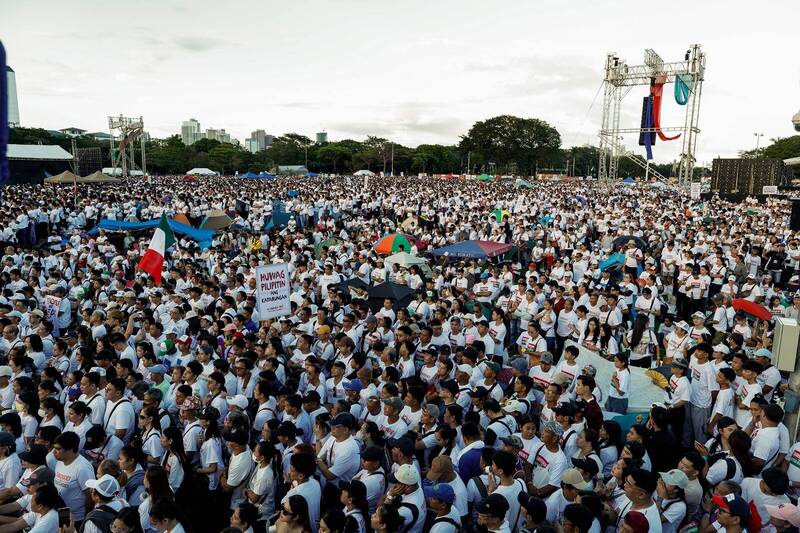
Manila is at the center of sustained public outcry as tens of thousands have taken to the streets beginning November 17 to protest alleged corruption in government flood-control projects. The demonstrations reflect deep-seated frustration over perceived mismanagement of funds and the vulnerability of the capital to increasingly severe weather events. Protesters allege widespread “cronyism” and substandard construction – dubbed “tofu dregs” – threaten public safety and hinder development in the typhoon-prone nation.
Tens of Thousands Rally in Manila to Protest Corruption in Flood Control Projects
Manila, Philippines – Tens of thousands of protesters took to the streets of Manila over three consecutive days, beginning on November 17, to demonstrate against alleged corruption surrounding government flood control projects. The demonstrations reflect widespread public anger over what many perceive as substandard infrastructure and the misuse of public funds.
The protests center on accusations that officials have been involved in “cronyism” and “substandard” work, often referred to as “tofu dregs” construction, in vital flood mitigation efforts. Demonstrators allege that corners were cut and funds diverted, leaving the city vulnerable to increasingly severe flooding during the rainy season.
According to reports, the scale of the protests has been significant, with participants expressing deep frustration with the perceived lack of accountability. The demonstrations have prompted a response from the military, which warned of potential attempts to destabilize the government, the Philippine Daily Inquirer reported.
The protests have drawn attention to a broader issue of corruption within the Philippines, a problem that continues to hinder development and erode public trust. The allegations of substandard construction are particularly concerning given the country’s vulnerability to typhoons and the increasing frequency of extreme weather events.
One protester described the situation as “a huge evil,” highlighting the depth of public discontent. MTGamer noted the widespread sentiment among participants.
The ongoing demonstrations underscore the importance of transparency and accountability in government infrastructure projects, particularly in a region prone to natural disasters. The situation could also influence future diplomatic relations and aid allocations, as international partners closely monitor the Philippines’ efforts to combat corruption. NPR also reported on the large-scale protests.
Singtao.ca reported that the protests have continued for three days.
