
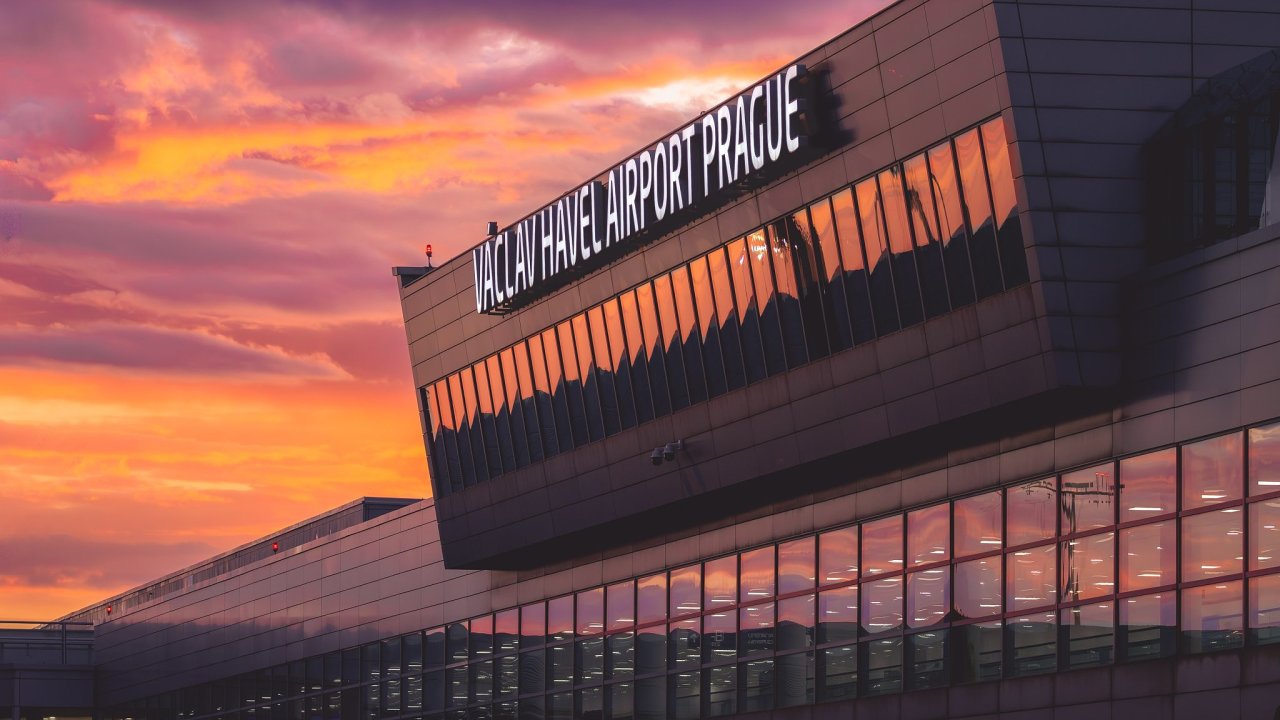
PragueS tourism sector is showing remarkable resilience as Václav Havel Airport reports a return to pre-pandemic passenger levels.The Czech Republic welcomed over six million visitors in the first three quarters of 2025 alone, a two percent increase year-over-year [[1]], though the composition of those tourists is undergoing critically important change. A decline in travelers from China and Russia is being offset by growth in Western European and North American markets, prompting adjustments across the city’s hospitality industry.
Prague’s Václav Havel Airport is experiencing a surge in passenger numbers, returning to pre-pandemic levels, according to recent reports. The rebound is being fueled by a shift in tourism demographics, as visitors from Western Europe and other regions step in to fill the void left by a significant drop in travelers from China and Russia.
Airport officials confirmed that passenger traffic has climbed to match figures seen before the COVID-19 pandemic disrupted global travel. This recovery is particularly notable given the ongoing geopolitical situation and economic uncertainties affecting international tourism.
The decline in Chinese and Russian tourists, previously significant contributors to Prague’s tourism industry, has been offset by an increase in visitors from Germany, the United Kingdom, and the United States. Local businesses are adapting to cater to these new markets, with hotels, restaurants, and tour operators adjusting their offerings.
The shift in tourist demographics presents both opportunities and challenges for the Czech capital. While the influx of visitors from Western Europe provides a stable economic base, the loss of high-spending tourists from China and Russia is being felt by some sectors. Businesses are actively seeking to diversify their marketing strategies and attract a wider range of international visitors.
The resurgence in tourism is a positive sign for the Czech economy, which relies heavily on the industry. The development underscores the importance of diversifying tourism sources and adapting to changing global travel patterns. The airport’s return to pre-pandemic levels suggests a broader recovery in the travel sector, though continued monitoring of geopolitical and economic factors remains crucial.
