
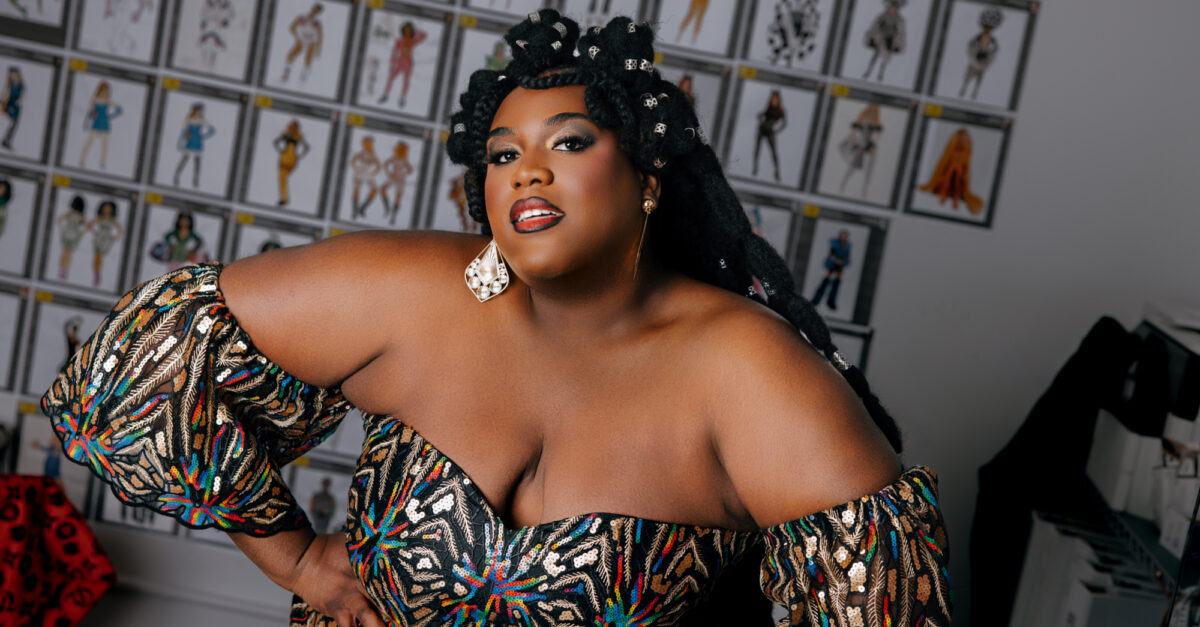
Qween Jean, the costume designer behind Cats: The Jellicle Ball, made history as the first openly trans woman to win a Tony Award, according to news.google.com. The achievement marks a milestone in Broadway’s evolving representation of LGBTQ+ voices, with Jean also nominated for a second Tony for her work on Liberation.
First Openly Trans Tony Winner
Qween Jean’s triumph breaks a long-standing barrier in the theater world, where trans artists have faced systemic exclusion. While non-binary performers have previously won Tonys, Jean is the first trans woman to receive the honor. Her win for Cats: The Jellicle Ball—a reimagined production blending ballroom culture with the iconic musical—underscores a shift toward embracing queer narratives on stage. “We have about 500 costumes. Okay? We’re not playing,” Jean declared in playbill.com, emphasizing the show’s lavish, boundary-pushing aesthetic.
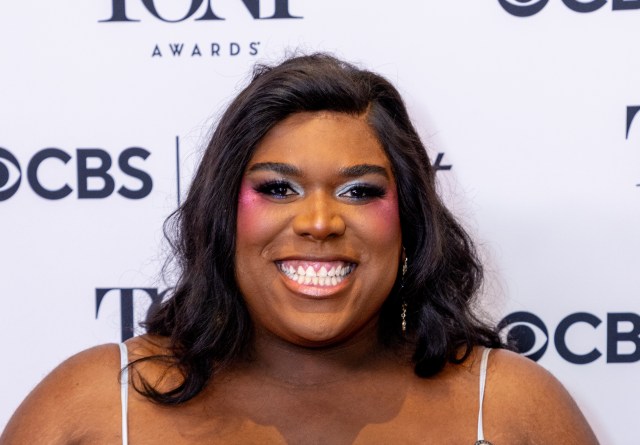
The Lavender Dream Costume
A centerpiece of Jean’s work is the “Lavender Dream” gown, designed for 2026 Tony nominee André de Shields as Old Deuteronomy. The sculptural, lavender-hued ensemble pays homage to Hector Xtravaganza, the 1980s ballroom icon who broke gender norms with a tuxedo ball gown. Jean described the piece as “a flower that only blooms once a year,” linking it to the legacy of trans and queer resilience. “It’s the hope that we not only will continue, but we will also persevere, and we will win by any means necessary,” she said, per playbill.com.
Activism and Artistry Interwoven
Beyond the stage, Jean is a vocal advocate for trans rights. As founder of the Black Trans Liberation Kitchen, she leads a New York-based initiative providing meals to marginalized communities. “We understand that it is a very difficult time for a lot of queer and trans humans in this current climate,” she stated, per playbill.com. The organization, which serves “food that tastes like church,” reflects Jean’s belief in using art and community to foster survival. Her activism extends to marches like the Protect Trans Youth Rally, where she rallies for policy changes and cultural acceptance.
Cultural Legacy and New York’s Fashion Capital
For Jean, fashion is both armor and identity. Growing up as a Haitian immigrant in New York City, she drew inspiration from her mother’s church, where “Sunday’s best” fashion defined her early aesthetic. “In New York City, we are the fashion capital of the world,” she said, per playbill.com. Her work on Cats merges ’60s feminism with ballroom decadence, creating a visual language that celebrates “queer people, as warriors, as storytellers, you show up and you show out.” This ethos echoes the city’s role as a global hub for marginalized creativity.

What’s Next for Qween Jean?
With two Tony nominations and a growing influence in both theater and activism, Jean’s trajectory suggests a future where art and advocacy are inseparable. Her success challenges the industry to prioritize diverse stories, while her community work highlights the intersection of representation and tangible support. As she told playbill.com, “Persistence” is the word that defines her journey—from sleeping on park benches during grad school to designing for Broadway’s biggest stages. The next chapter may well redefine what it means to lead with authenticity in a world still grappling with trans inclusion.
