
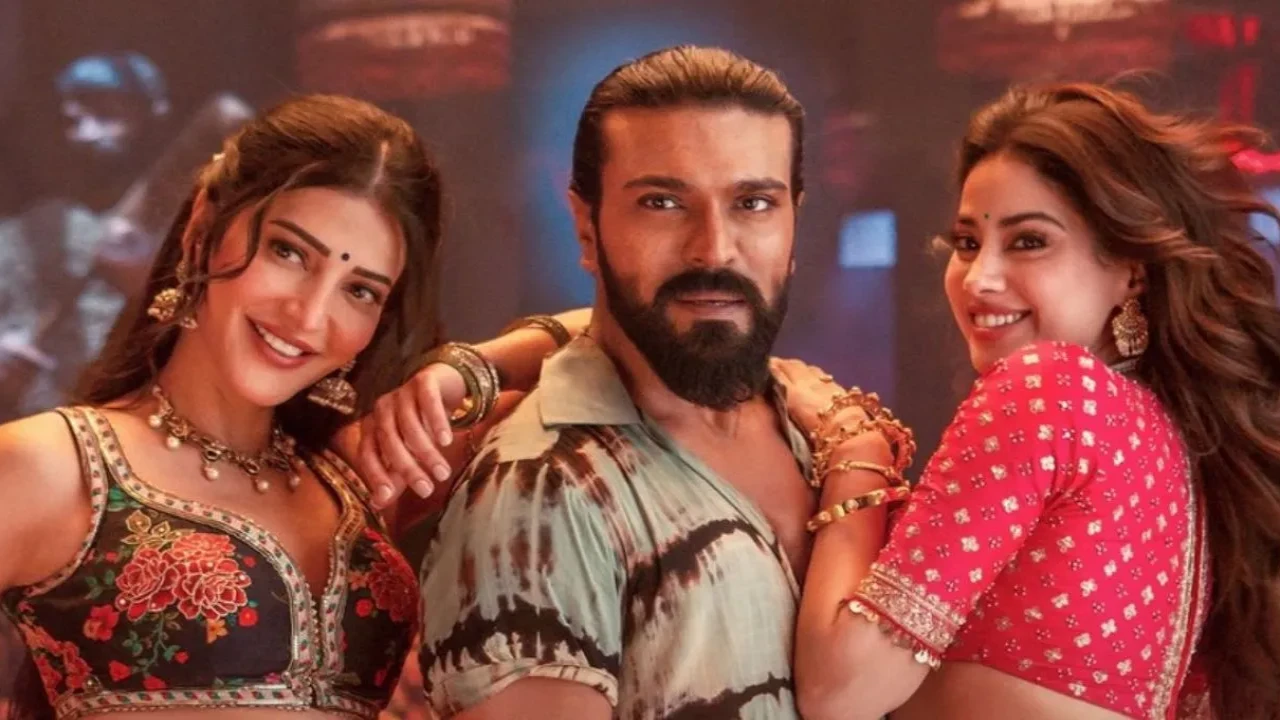
Peddi, the Ram Charan and Janhvi Kapoor starrer, faced a stark contrast in box office performance across regional markets, with its Hindi version underperforming while its Telugu and global releases exceeded expectations. The film’s mixed results, coupled with controversy over its portrayal of female characters, have sparked debate about its commercial and cultural impact.
Box Office Contradictions and Regional Performance
The Hindi version of “Peddi” collected just Rs 10.75 crore over four days, according to Pinkvilla, marking a “poor opening weekend” for a high-budget Telugu film. This figure contrasts sharply with the MovieTalkies report, which cited a total of Rs 8.90 crore for the Hindi market, highlighting discrepancies in how different outlets track regional collections. Despite these low numbers, the film’s Telugu version grossed over Rs 142 crore in its extended opening weekend, while Karnataka added nearly Rs 20 crore, underscoring its regional strength.

The Week’s analysis revealed that “Peddi” surpassed “Rangasthalam” to become Ram Charan’s highest-grossing solo film, with a worldwide total of Rs 233 crore. This includes Rs 157.15 crore in India and Rs 46 crore overseas, according to Sacnilk’s box office figures. The film’s Day 3 collection of Rs 28.85 crore—a 7.2% rise from Day 2—demonstrated strong weekday momentum, though the Hindi market’s struggles remained a concern.
Controversy and Director’s Response
Online debates centered on scenes featuring Janhvi Kapoor, with alleged private chats circulating on social media. A screenshot claimed she raised concerns about “b**b and waist shots,” while another suggested Ram Charan intervened to prevent such angles. “And Ram sir is so sweet. He also yelled at him and said, ‘You will not take such angles of her ever again.’ So he got upset (sic),” one message read, per India Today. The Times of India reported these discussions as unverified but widely shared.
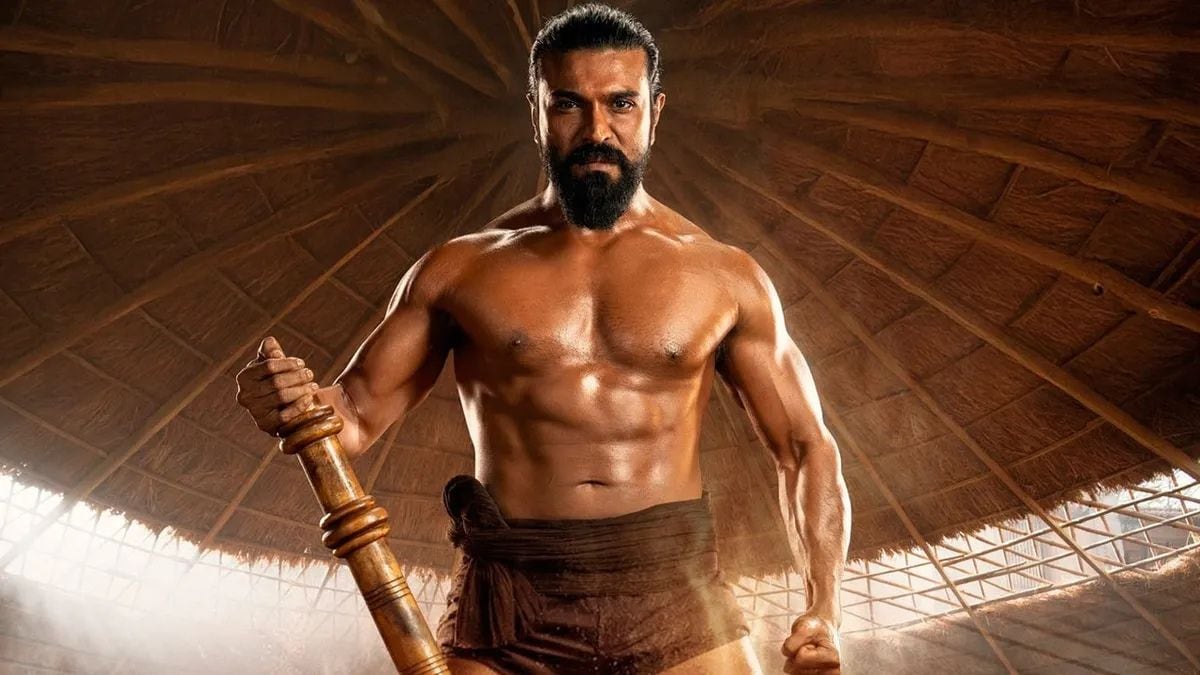
Director Buchi Babu Sana addressed the backlash, stating, “As a filmmaker, I believe cinema should entertain, inspire, and connect with audiences. It should never make anyone feel uncomfortable or disrespected.” He added, “We have heard the feedback regarding certain scenes in Peddi and have taken it seriously,” according to The Times of India. MovieTalkies noted the team planned to modify or remove contentious scenes to “avoid discomfort,” though the controversy likely impacted the Hindi market’s reception.
Occupancy Trends and Market Dynamics
Audience turnout improved as the day progressed, with the Telugu version recording a 56.40% occupancy rate and night shows reaching 68.31% occupancy. The Times of India attributed this to “stronger footfalls during later screenings,” which contributed to the film’s Day 3 growth. However, the Hindi version’s average occupancy remained lower, with MovieTalkies noting “low occupancy in theatres” throughout the weekend.
Analysts speculated that the film’s lack of buzz in Hindi-speaking regions and limited word-of-mouth drove its underperformance. The Week highlighted that “Peddi” was the first non-pan-Indian Telugu film to cross Rs 200 crore globally, but its Hindi struggles contrasted with its broader success. “It remains to be seen if ‘Peddi’ will demonstrate the same momentum on the crucial Monday test,” the outlet noted, referencing past films like Suriya’s “Karuppu” that defied typical Monday declines.
What Comes Next?
The film’s future hinges on its ability to sustain momentum in the Telugu and international markets, where it has already set records. However, the Hindi market’s weak start raises questions about its overall commercial viability. With the director’s commitment to addressing audience concerns, “Peddi” may see adjustments that could influence its reception. For now, the movie stands as a case study in the divergent dynamics of regional cinema, where success in one market does not guarantee traction in another.
Pinkvilla, <a The film's commercial viability will likely be determined by its performance in both the Telugu market, where it has set records, and the Hindi market, where it has struggled to gain traction despite its high-profile cast.
