
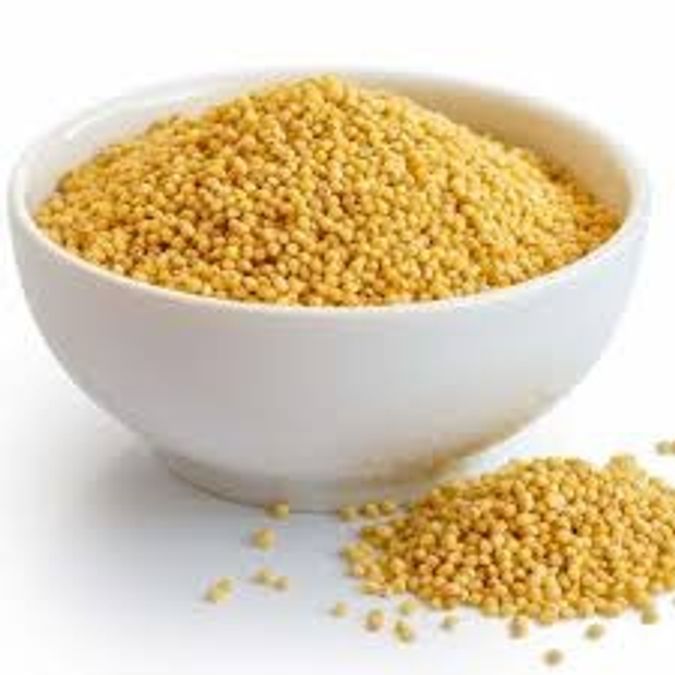
For decades, the legume known as tina has been celebrated in South Asian diets for its rich nutritional profile, with recent analyses reinforcing its role in weight management, diabetes control, and bone health. A 2024 study in Sathyam Online highlights its high fiber, protein, and calcium content, while ManoramaOnline warns about exceeding protein limits. This synthesis examines tina’s nutritional value through multiple lenses, including scientific research, dietary guidelines, and health outcomes.
Nutritional Profile of Tina
Tina, a legume commonly cultivated in South Asia, stands out for its high protein and fiber content, according to Sathyam Online. The article notes that tina contains significant amounts of calcium, iron, and vitamins, making it a valuable addition to plant-based diets. Its low glycemic index helps regulate blood sugar, a key benefit for diabetes management. The legume’s dietary fiber also supports digestive health, reducing constipation and promoting gut microbiota balance. These claims align with broader nutritional science, which emphasizes legumes as a staple for sustainable, nutrient-dense eating.
Protein Intake and Health Implications
While tina provides protein, the ManoramaOnline article cautions against excessive protein consumption. It cites the Recommended Dietary Allowance (RDA) of 0.8 grams of protein per kilogram of body weight, warning that exceeding 50 grams daily can lead to bad breath, mood swings, and weight gain. The piece also highlights the risks of low-carb, high-protein diets, which may deplete essential nutrients like fiber and healthy fats. This contrasts with tina’s balanced profile, suggesting that plant-based proteins like tina could mitigate these risks compared to animal-derived sources.
High-Protein Foods and Dietary Balance
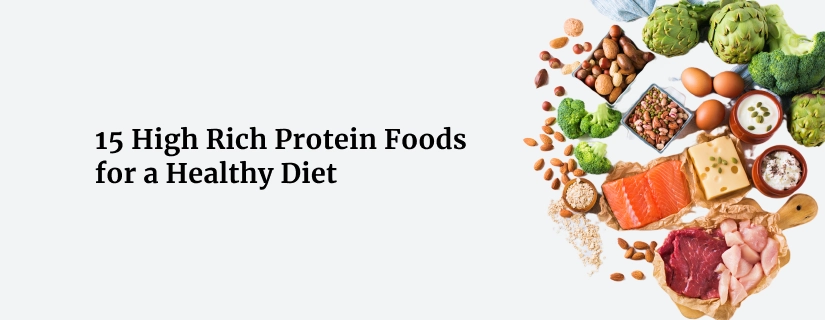
Care Hospitals lists 15 high-protein foods, emphasizing their role in muscle growth, bone density, and metabolic health. While the article focuses on animal sources like eggs and fish, it also acknowledges plant-based options, including tina. The piece stresses that protein should complement, not dominate, a balanced diet. This aligns with the PMC study, which notes that “the bulk of amino acid metabolism is directly related to protein turnover” and that excessive protein intake can strain kidney function over time.
Scientific Basis of Protein Nutrition
A 2024 PMC study explains that proteins are polymers of amino acids, with nine essential amino acids required for human health. The research underscores the importance of protein quality, not just quantity, and links deficiencies to conditions like marasmus and kwashiorkor. While tina provides a range of amino acids, the study notes that plant-based proteins often lack one or more essential amino acids, requiring complementary foods like grains to ensure a complete profile. This highlights the need for dietary diversity, even when relying on nutrient-rich staples like tina.

Implications for Modern Diets
The convergence of these sources reveals a nuanced picture of tina’s role in contemporary nutrition. While it offers significant health benefits, its protein content must be balanced with other macronutrients to avoid overconsumption. For individuals adopting high-protein diets, tina provides a sustainable alternative to animal products, though it requires careful pairing with complementary foods. As global interest in plant-based eating grows, tina’s versatility and nutritional density position it as a valuable crop for addressing both individual health and food security challenges.
