

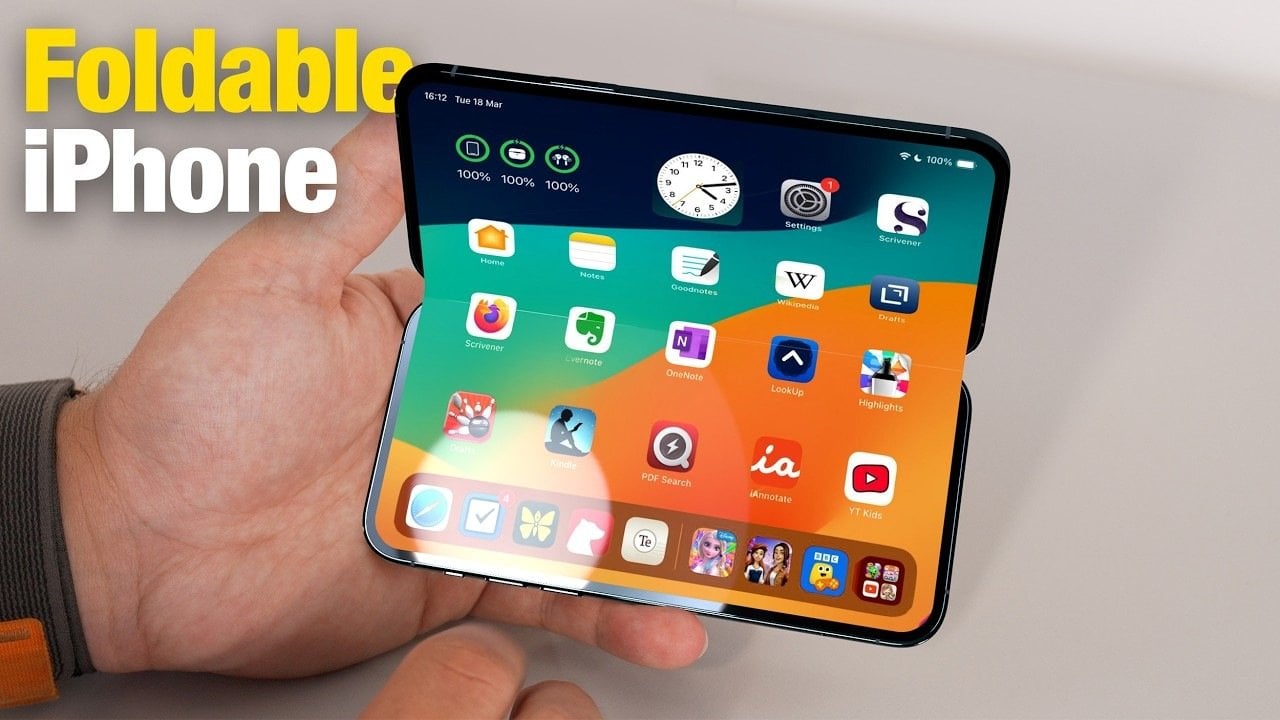
As of June 13, 2026, there is no verified information from Apple confirming the development or release of a foldable iPhone, nor any details regarding its color options. While global technology markets continue to track rumors, official company documentation and support channels focus exclusively on current hardware and subscription services like YouTube Premium.
Current Apple Product Information
Apple has not issued any public announcements, filings, or press releases regarding a foldable smartphone device. Official communication from the company remains centered on its existing lineup of iPhones, iPads, and Mac computers. Market reports regarding future hardware, including foldable form factors, remain speculative and are not supported by data provided through official Apple channels. Historically, Apple maintains a rigorous internal testing cycle for new form factors, often keeping hardware designs under strict non-disclosure until the final stages of manufacturing readiness. Unlike some competitors that have launched foldable devices in the smartphone market, Apple has prioritized the refinement of glass and display technologies in its current rigid-screen lineup, such as the implementation of Ceramic Shield and ProMotion display technology.
The broader context of the smartphone industry involves a shift toward alternative form factors, including “foldable” and “rollable” devices. However, industry analysts often note that the adoption of such devices remains niche compared to the standardized “slate” smartphone design that has dominated the market since the introduction of the iPhone in 2007. The complexity of hinge mechanics and the durability of flexible organic light-emitting diode (OLED) panels continue to be the primary technical hurdles for manufacturers exploring this space.
YouTube Subscription Services and Membership Tiers
While speculation regarding consumer technology hardware persists, Google has updated its support documentation for YouTube services as of June 2026. The company currently offers several distinct membership tiers to enhance the user experience, including the recently introduced Premium Lite.

According to Google, Premium Lite is a lower-priced membership option designed to provide an ad-free experience on most YouTube and YouTube Kids videos. This tier includes background play and offline downloads for many videos, though it excludes access to YouTube Music Premium and specific features like high-quality audio or video streaming. The introduction of this tier represents a strategic segmenting of the market, allowing Google to capture users who prioritize ad removal over the inclusion of bundled music services. This follows the broader industry trend of tiered subscription models, which allow service providers to diversify revenue streams beyond traditional advertising models.
- Individual Plans: Designed for single-user access with monthly subscription renewals.
- Pre-Paid Plans: Available for individual users, these are purchased upfront for a specific duration without automatic renewal.
- Multi-Person Plans: These include Family plans for up to six people and Two-Person plans, both requiring members to reside in the same household.
- Student Plans: Available for full-time students at approved higher education institutions, subject to annual eligibility verification.
Troubleshooting and Technical Support
For users managing existing digital services, Google provides centralized support for account and streaming issues. According to YouTube TV Help, users can manage billing, verify identity, or troubleshoot streaming problems through their dedicated help center. Navigating these digital ecosystems often requires users to engage with automated help bots or community-led forums, particularly when dealing with account-specific billing errors or regional streaming restrictions.
For more on this story, see Apple iOS 27 Code Reveals Foldable iPhone Plans.
The complexity of these services often extends to third-party integrations. Users on the OBS Forums noted that recent updates to OBS software have introduced prompts requiring manual broadcast setup, which previously functioned through automated scripts. This change highlights the ongoing tension between software developers prioritizing security and stability—by requiring explicit user authorization for broadcast initiation—and power users who rely on automation to streamline their production workflows. When software updates break existing automated scripts, it necessitates a period of adjustment for the user base as they either update their scripts to comply with new security protocols or seek workarounds within the community.
Accessibility and Plugin Development
The ecosystem surrounding streaming technology also includes community-developed tools for accessibility. A popular plugin for OBS, which utilizes Google Cloud Speech Recognition, allows streamers to generate closed captions in multiple languages. Users have highlighted this tool as an essential resource for accessibility, noting that it allows for real-time language switching during live broadcasts. The reliance on cloud-based speech recognition services illustrates the power of API integration in modern software; by offloading the heavy computational task of real-time transcription to cloud servers, developers can offer high-quality features without requiring the end-user to possess high-end local hardware.
This plugin is awesome and supports multiple languages. I use it for my Twitch streams. I prefer this plugin to Twitch extensions because native closed captions are better supported on web and in the mobile apps.
Accessibility in live streaming has become a significant focus for content creators, as platforms introduce more robust tools for captioning and audio description. The use of third-party plugins to bridge the gap between platform capabilities and user needs is a common practice in the creator economy. These tools often serve as a stop-gap until official platform features reach feature parity with community-developed solutions. As streaming platforms continue to evolve, the integration of these accessibility features into the native software stack remains a primary area of interest for developers and users alike, ensuring that live content remains reachable to a global and diverse audience.
Find more reporting in our Tech section.
