

According to a June 2026 report by the Reserve Bank of India, investors in India are increasingly shifting from traditional savings accounts to inflation-linked instruments to preserve capital during rising prices. The study, based on data from 1,200 households across 12 states, found that 68% of respondents had reallocated funds from fixed deposits to debt instruments indexed to the Consumer Price Index (CPI).
Rising Preference for Inflation-Linked Bonds
Inflation-Linked Instruments Gain Popularity
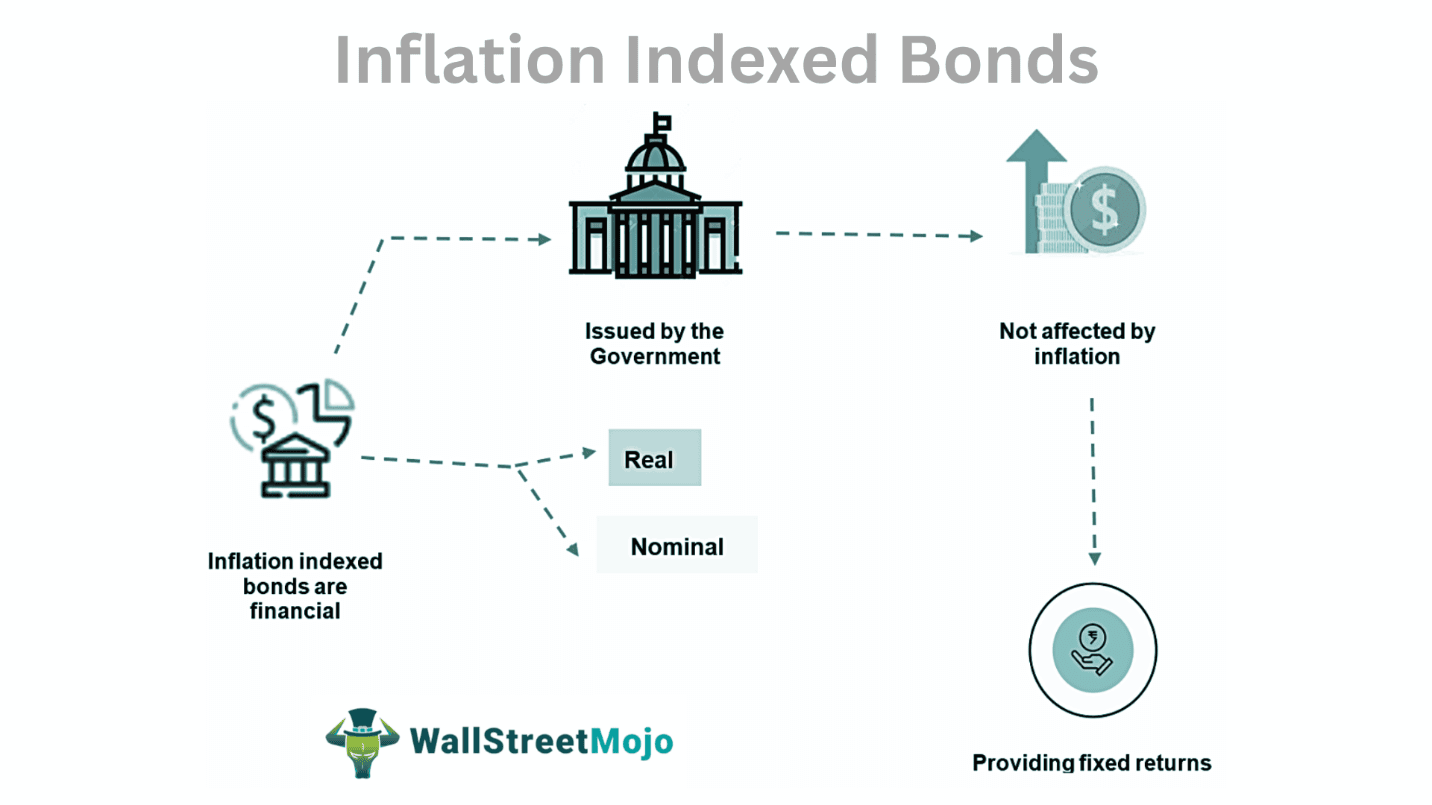
The Reserve Bank of India’s (RBI) June 2026 Household Survey highlighted a shift in investment strategies, with 42% of respondents opting for government-issued inflation-linked bonds, compared to 18% in 2024. These instruments, such as the 10-year CPI-linked government securities, offer principal adjustments based on inflation rates. "The real returns on traditional savings have eroded significantly," said Rajesh Mehta, an economist at the Indian Institute of Finance. "Investors are seeking tools that protect purchasing power."
The survey also noted a 25% increase in participation in gold-backed mutual funds, which saw net inflows of ₹12,000 crore (approximately $1.5 billion) in the first quarter of 2026. SBI Mutual Fund’s data showed that gold-focused schemes accounted for 14% of total equity and debt fund inflows during the same period.
Strategic Shifts Toward Equities and Commodities
Diversification Beyond Traditional Savings
Financial advisors recommend diversifying beyond savings accounts and fixed deposits, which historically underperform during high-inflation periods. "Saving alone isn’t sufficient," said Priya Kapoor, a certified financial planner in Mumbai. "Assets like real estate, equities in inflation-sensitive sectors, and commodities can hedge against rising prices."
The National Stock Exchange (NSE) reported that shares of companies in the energy and consumer staples sectors saw a 12% increase in trading volume in June 2026. Reliance Industries and Tata Consumer Products were among the top performers, with analysts citing their stable cash flows and pricing power.
However, experts caution against overexposure to volatile assets. "Equity investments require a long-term horizon," said Anand Desai, a portfolio manager at HDFC Asset Management. "Retail investors should balance growth-oriented assets with safer instruments."
Institutional Guidance and Regional Disparities
Expert Recommendations and Market Trends
The RBI’s June 2026 monetary policy review emphasized the need for individual investors to adopt dynamic strategies. "Monetary tightening has reduced liquidity in the system," the report stated. "Households must align their portfolios with inflation expectations and risk tolerance."

A separate analysis by the Centre for Economics and Business Research (CEBR) highlighted the role of digital platforms in democratizing access to alternative investments. "Online aggregators have lowered entry barriers for gold, real estate, and peer-to-peer lending," said CEBR’s director, Meera Shah. "But investors must scrutinize fees and risks."
The survey also revealed regional disparities. Urban households in Delhi and Bangalore were 30% more likely to invest in equities compared to their rural counterparts. "Access to financial education and digital infrastructure remains a challenge," noted the RBI report.
Anticipated Policy Adjustments and Investor Adaptability
What Comes Next?
The RBI has signaled potential adjustments to its inflation-targeting framework, which could influence future investment trends. Meanwhile, private sector analysts predict continued growth in inflation-linked products, with the government aiming to expand the issuance of CPI-indexed bonds by 2027.
For individual investors, the key takeaway is adaptability. "There’s no one-size-fits-all approach," said Kapoor. "Regular reviews and rebalancing are critical to navigating inflationary pressures."
The long-term implications of these shifts remain uncertain, but the data underscores a clear trend: in an environment of sustained price increases, traditional savings alone are no longer sufficient.
Find more reporting in our Business section.
