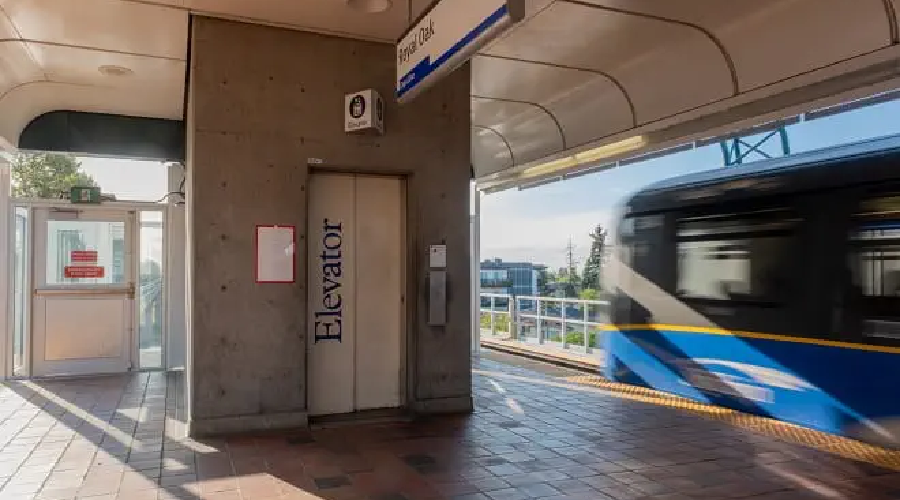
Riga municipal authorities and the state-owned housing manager, Rīgas namu pārvaldnieks, have initiated a structural replacement program targeting elevators aged 40 to 50 years. As of June 1, 2026, the project addresses safety concerns in Soviet-era residential blocks, prioritizing units that have surpassed their technical service life and no longer meet modern regulatory safety requirements.
Systemic Obsolescence in Riga’s Residential Infrastructure
The rapid aging of vertical transportation systems in Riga’s multi-story residential districts has reached a critical threshold. A significant portion of the city’s high-rise housing stock, constructed between the 1970s and 1980s, remains equipped with original lift technology. These systems, many of which have been in continuous operation for nearly half a century, are now categorized by municipal inspectors as having exhausted their operational capacity.
According to data released by the Riga City Council’s Housing and Environment Department, approximately 1,800 elevator units across the city have officially exceeded their 40-year design life as of the first quarter of 2026. Mārtiņš Staķis, the head of the city’s housing committee, confirmed during a public hearing on May 12, 2026, that the city has identified 450 specific units that represent a “high-risk” category due to recurring mechanical failures reported in 2025 and early 2026. The inspection reports, filed by certified technical auditors, indicate that the most common points of failure involve the relay-based control systems, which are increasingly susceptible to electrical surges and moisture-related corrosion in older shafts.
The initiative, managed by Rīgas namu pārvaldnieks (RNP), focuses on the replacement of obsolete mechanical components, control panels, and cabin interiors. The primary driver for this capital expenditure is the necessity to comply with updated European Union safety directives, which mandate more stringent braking systems, emergency communication links, and precise floor-leveling capabilities.
Regulatory Standards and Safety Compliance
The shift away from legacy elevator systems is dictated by evolving technical standards that were not envisioned at the time of the original installations. Older models frequently lack the redundant safety features required by contemporary building codes. Engineering assessments conducted over the past 18 months have highlighted frequent mechanical failures, including intermittent power-to-drive malfunctions and worn-out traction cables.
The Latvian Ministry of Economics, which oversees building safety regulations, issued a supplementary directive in January 2026 requiring that all newly installed elevators must feature automatic evacuation systems that return the cabin to the nearest floor in the event of a power outage. RNP CEO Māris Ozoliņš stated in a press briefing on April 22, 2026, that the agency is currently transitioning to digital control systems that allow for real-time remote monitoring. This technology, supplied by international contractors, will enable RNP maintenance crews to diagnose sensor faults before they lead to cabin entrapment.
RNP has indicated that the procurement process for new equipment involves rigorous quality control to ensure that modern lift units can be integrated into existing shaft dimensions, which were standardized during the Soviet era. This constraint complicates the replacement process, as structural modifications to the building frames are often required to accommodate modern safety clearances.
The modernization of the vertical transport infrastructure is no longer a matter of convenience, but a fundamental requirement to ensure the safety of residents living in aging residential buildings. We are systematically addressing units that have exceeded their 40-year technical lifespan to prevent further degradation of service.
Māris Ozoliņš
Spokesperson, Rīgas namu pārvaldnieks
Funding and Implementation Hurdles
Finance Department
Financing the replacement of thousands of elevator units across the city presents a significant budgetary challenge for the municipality. Because many of these residential buildings are managed through collective ownership models, the cost of modernization is typically amortized through monthly management fees or special assessments levied on property owners.
According to a report submitted to the Riga City Council by the Finance Department on May 15, 2026, the estimated cost for a full cabin and machinery replacement ranges between €45,000 and €65,000 per unit, depending on the building’s height and shaft complexity. To mitigate the financial burden on low-income residents, the Riga City Council approved a loan guarantee program on June 5, 2026, allowing housing associations to access low-interest credit lines through the state development finance institution, Altum.
The scale of the program requires a phased approach. The city has categorized buildings based on the severity of the wear-and-tear identified in recent technical audits. Buildings housing elderly residents and those with limited mobility have been flagged for priority scheduling. However, the logistical challenge of installing new systems in occupied buildings remains a point of friction for residents, as each installation requires a period of downtime, typically ranging from several weeks to months, depending on the complexity of the shaft configuration. Residents in the Zolitūde and Purvciems districts have organized petitions requesting that RNP provide temporary access ramps or ground-floor accommodation for mobility-impaired tenants during the construction window, a request the RNP board is currently reviewing as of the latest meeting on June 18, 2026.
The Path Forward for Municipal Housing
Looking toward the remainder of 2026, the city government plans to continue the audit process to identify the next set of priority installations. While the current program covers a large cross-section of the city’s housing, municipal officials acknowledge that the full scope of the required upgrades will span several years.
The focus remains on balancing the immediate fiscal impact on residents with the long-term necessity of maintaining safe and functional vertical transport. As the city moves forward, the primary uncertainty remains the potential for supply chain disruptions in the procurement of specialized elevator components, which have occasionally delayed project timelines in previous phases.
Contractors for the project, including firms such as Kone and Otis, have notified RNP that lead times for specialized drive motors have increased from 12 weeks to 20 weeks due to global semiconductor shortages impacting the manufacturing of modern elevator control boards. In a memorandum dated June 10, 2026, RNP project managers confirmed that they have secured a buffer stock of standard components to prevent total work stoppages, but acknowledged that timelines for the most complex shaft retrofits remain subject to revision. For now, the replacement schedule for the current fiscal cycle remains fixed, with RNP coordinating directly with building councils to communicate service interruptions and safety protocols through localized town hall meetings and digital notification portals.
ail: emily.johnson@headlinez.news
Bio:
Emily Johnson serves as News Editor at Headlinez.News, overseeing the publication’s coverage of national and breaking stories. She has worked in journalism for more than 12 years, building a reputation for precision, credibility, and rapid-response reporting. Emily’s editorial philosophy focuses on clear, fact-based writing that helps readers understand the full context behind the day’s most important events. Her expertise bridges traditional reporting and modern digital news strategies.
Expertise: Breaking news, political reporting, fact-checking, newsroom coordination, public affairs.
Location: Washington, D.C., USA