
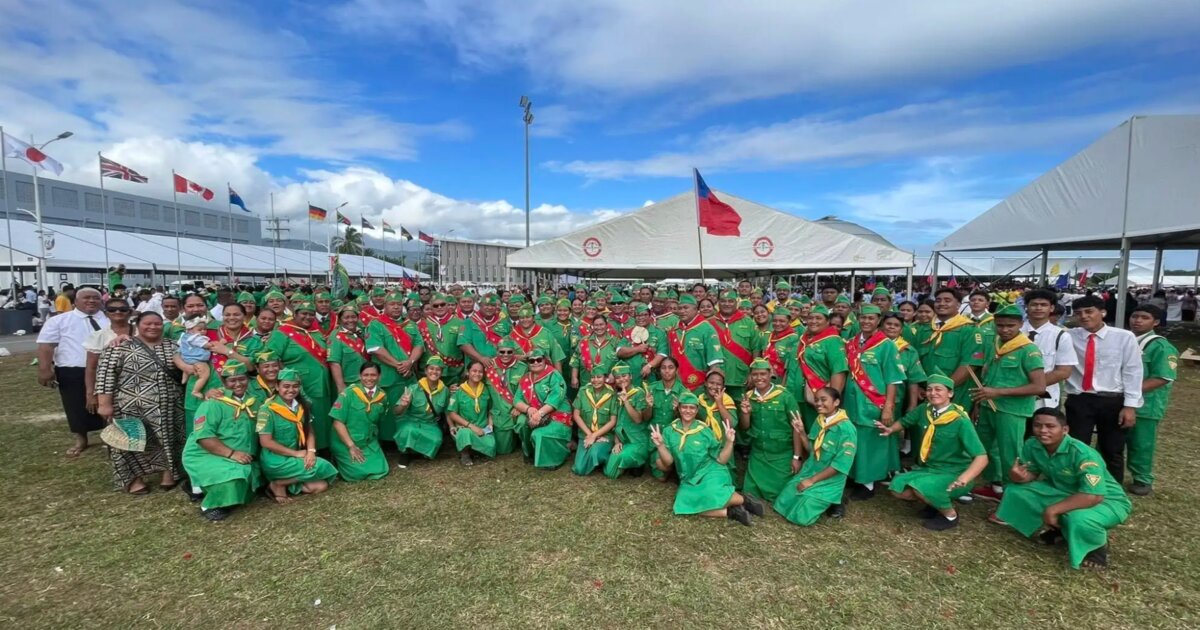
Samoa’s 64th Independence Day celebrations unfolded this week with a striking display of national unity, as thousands gathered in Apia to honor the country’s sovereignty and the sacrifices of its ancestors—while also showcasing the enduring role of faith-based organizations in shaping the nation’s identity. At the forefront were members of SISDAC Worldwide, whose participation in the official march underscored both their spiritual mission and the government’s recognition of their contributions to Samoan society. As Prime Minister La’aulialemalietoa Polataivao Fosi Schmidt’s administration allocated over 2.5 million tala to the festivities, the event became a rare moment of cross-community solidarity, blending historical reverence with contemporary pride.
Faith and Nation: SISDAC’s Role in Samoa’s Independence Celebrations
For SISDAC Worldwide, the march was more than a ceremonial appearance—it was a fulfillment of purpose. Vaai Lemoa Solomona, wife of the pastor leading SISDAC Upolu Sasa’e, framed the organization’s involvement as a testament to its long-standing commitment to “saving souls” and contributing to Samoa’s spiritual and social fabric. “We highly value the opportunity given by the government for SISDAC to participate, especially considering the significant contribution it has made within the country,” she told Samoa Observer, emphasizing that the day was not just about celebration but about unity—”one heart and faith in God.”
“Samoa is one nation. This is also our contribution toward commemorating Samoa’s 64th Anniversary of Independence.”
The sentiment was echoed by fellow participants like Gather Leota, who described the march as a “proud moment” that highlighted the collective spirit of Samoans. “It was a meaningful experience seeing everyone come together to celebrate,” Leota added, capturing the event’s dual purpose: honoring the past while reinforcing present-day cohesion. The government’s decision to include SISDAC in the official proceedings—amid broader celebrations featuring traditional sports like kilikiki (Samoan cricket) and fautasi long-boat racing—sent a clear message: faith-based groups are not peripheral to Samoa’s national narrative but integral to its identity.
Diplomatic Unity: Regional Leaders Converge for Samoa’s Milestone
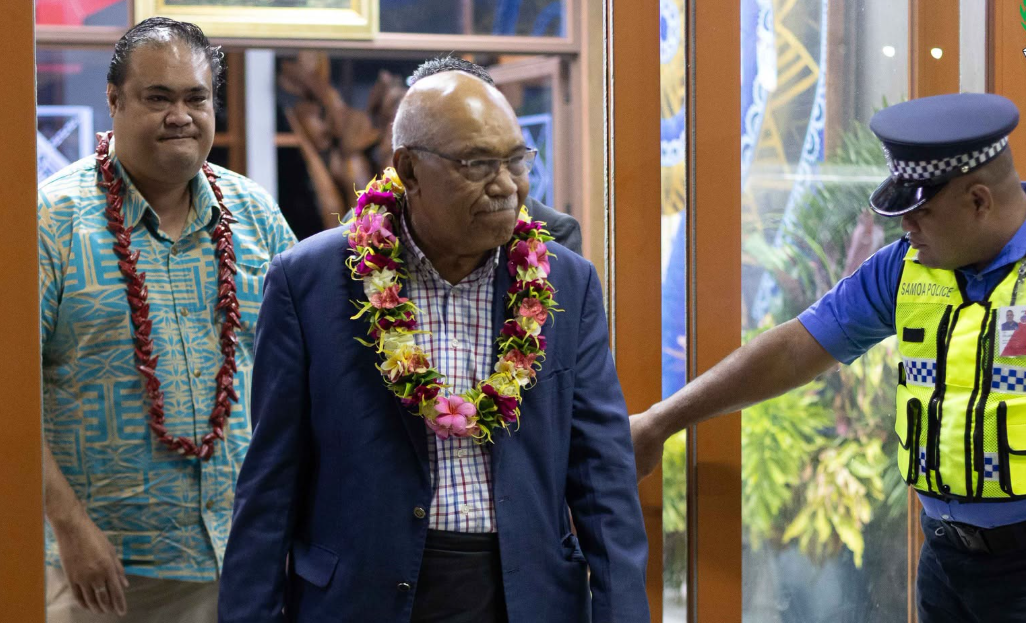
The independence celebrations also served as a diplomatic stage, drawing high-profile attendees from across the Pacific. Tonga’s Prime Minister, Lord Fatafehi Fakafanua, arrived in Samoa alongside his delegation, marking the close ties between the two nations and reinforcing the region’s shared commitment to sovereignty and cultural preservation. Fakafanua’s presence was symbolic: Tonga and Samoa, despite their distinct histories under colonial rule, now stand as united voices in the Pacific, their independence anniversaries serving as reminders of resilience. “A Significant Regional Occasion,” noted Kaniva Tonga News, framing the event as a celebration of both national pride and inter-Pacific solidarity.
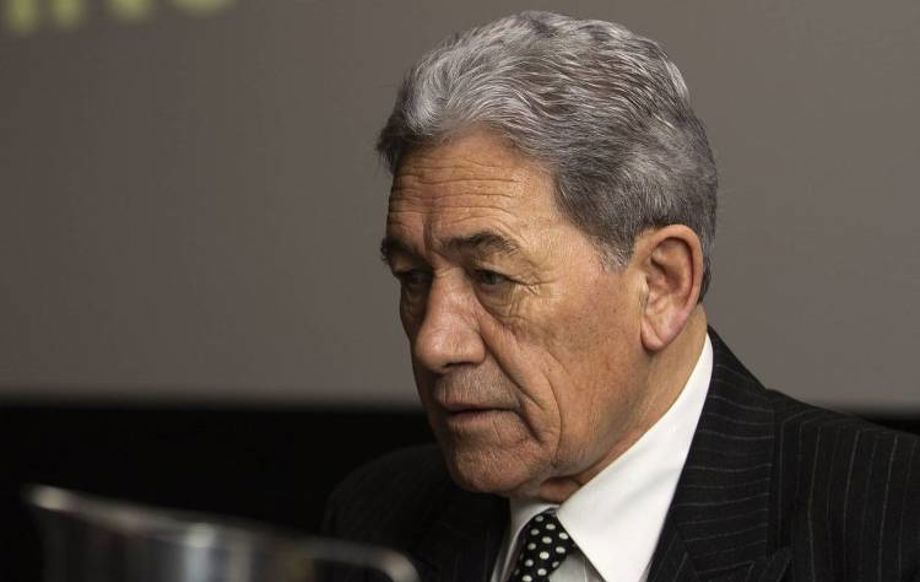
New Zealand’s Foreign Minister, Winston Peters, further underscored the regional dimension of Samoa’s independence. His attendance was not merely ceremonial but strategic, reflecting New Zealand’s ongoing role as a key development partner and security ally. Peters’ meetings with Samoan leadership, including Prime Minister Schmidt, focused on “shared priorities” such as climate resilience and economic development—issues that transcend national borders in the Pacific. “The relationship between New Zealand and Samoa is among the closest and most enduring in the Pacific,” Peters’ office noted, highlighting the deep historical and familial ties that bind the two nations. For Samoa, this diplomatic engagement is a reminder that its sovereignty is not just a domestic achievement but a regional beacon.
The Weight of History: Samoa’s Journey to Independence
Samoa’s 64th Independence Day commemorates a pivotal moment in Pacific history: January 1, 1962, when the nation became the first in the region to regain sovereignty from New Zealand. The road to independence was fraught with resistance—first against German colonial rule, then against New Zealand’s administration—making this year’s celebrations a reflection on both triumph and the ongoing struggle for self-determination. As ABC’s Samoa reporter Adel Fruean observed, the mood in Apia was one of “excitement and pride,” but also a solemn acknowledgment of the sacrifices that paved the way. “Hundreds have come together to march and honour our leaders,” Fruean reported, “but also to remember the sacrifices our ancestors made in paying for our freedom.”
The three-day festivities—featuring cultural performances, sports, and official ceremonies—were designed to immerse citizens in their heritage while looking toward the future. For a nation where 64 years of independence have been marked by both progress and challenges, the celebrations serve as a unifying force. The inclusion of SISDAC, a faith-based organization with deep roots in Samoan communities, reflects a broader truth: in Samoa, national identity is not just about politics or economics but about shared values, spiritual bonds, and the collective memory of resistance.
What Comes Next: Unity as a Model for the Pacific?
The unity on display during Samoa’s Independence Day celebrations raises broader questions about the future of Pacific regionalism. As climate change, economic instability, and geopolitical tensions reshape the region, Samoa’s ability to bring together diverse communities—from faith-based groups to government leaders—could serve as a model for others. The participation of international dignitaries like Fakafanua and Peters signals that Samoa’s story resonates beyond its shores, offering a template for how smaller nations can leverage diplomacy to strengthen their position.
Yet challenges remain. Samoa’s economic vulnerabilities—exacerbated by global supply chain disruptions and the impacts of climate change—demand sustained international support. The conversations between Peters and Schmidt, while focused on cooperation, also hint at the need for concrete action. For SISDAC and other faith-based organizations, the celebrations underscore their role not just as spiritual leaders but as social connectors. Their participation in national events like Independence Day suggests a growing recognition of their capacity to bridge divides in a region where unity is often tested.
As Samoa marks another year of independence, the lessons are clear: national pride is not static; it is nurtured through shared experiences, historical remembrance, and the willingness to include all voices in the conversation. For the Pacific, where sovereignty is both a hard-won achievement and an ongoing project, Samoa’s example may be one of the most powerful messages of all.
