
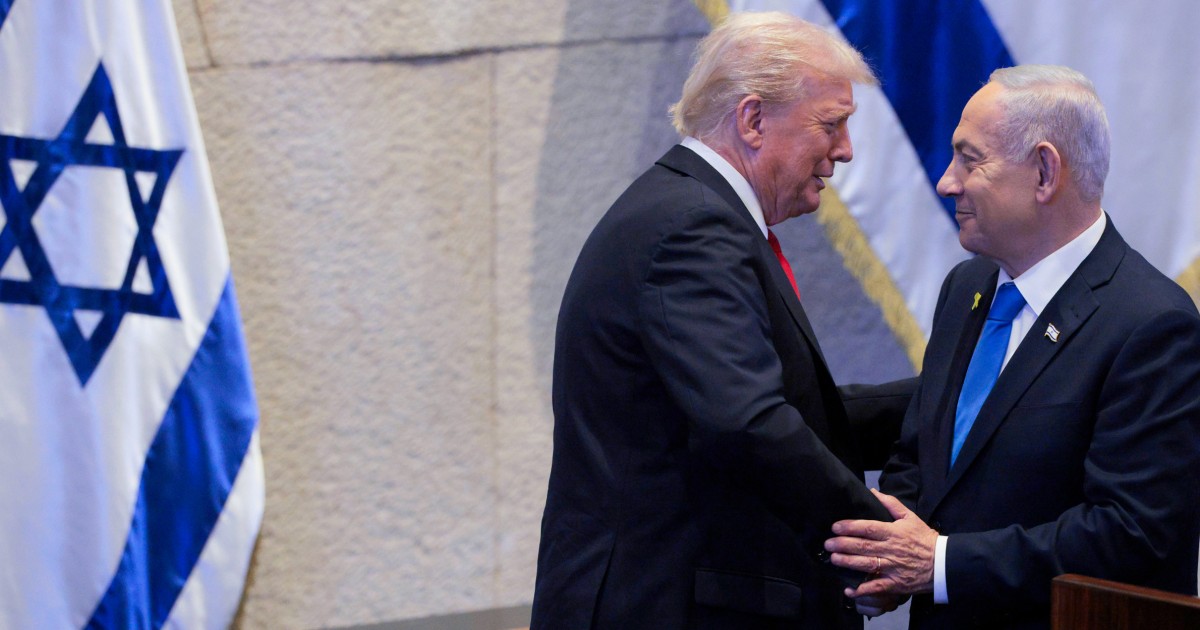
The Pentagon has escalated Israel’s counterintelligence threat level to “critical”—the highest designation for any U.S. ally—amid growing concerns that Jerusalem is aggressively targeting American officials to undermine White House diplomacy with Iran. The shift, confirmed by NBC News and Al Jazeera citing unnamed U.S. officials, follows a seven-page Defense Intelligence Agency (DIA) assessment detailing “specific incidents” of Israeli espionage, including attempts to plant listening devices in U.S. military facilities and monitor senior Trump administration officials. Israel’s embassy in Washington dismissed the claims as “completely false,” while a White House official called the reporting “false and sourced to someone who doesn’t have any knowledge of what’s going on.” The dispute comes as President Donald Trump and Israeli Prime Minister Benjamin Netanyahu clash over the war with Iran, with Trump pushing for a diplomatic resolution and Netanyahu advocating for resumed military strikes.
Historical Shift in U.S.-Israel Intelligence Relations and Key Targets
The DIA’s decision to raise Israel’s threat level from “high” to “critical” marks a historic shift in U.S.-Israel intelligence relations. According to NBC News, the designation stems from concerns that Israel’s espionage efforts—particularly against Trump’s special envoy Steve Witkoff and Pentagon officials Elbridge Colby and Michael DiMino IV—have “crossed a line.” The agency’s internal assessment, viewed by current U.S. officials, cites a “critical level” of human espionage and technical collection capabilities, far exceeding the baseline for allies like the UK or Germany.
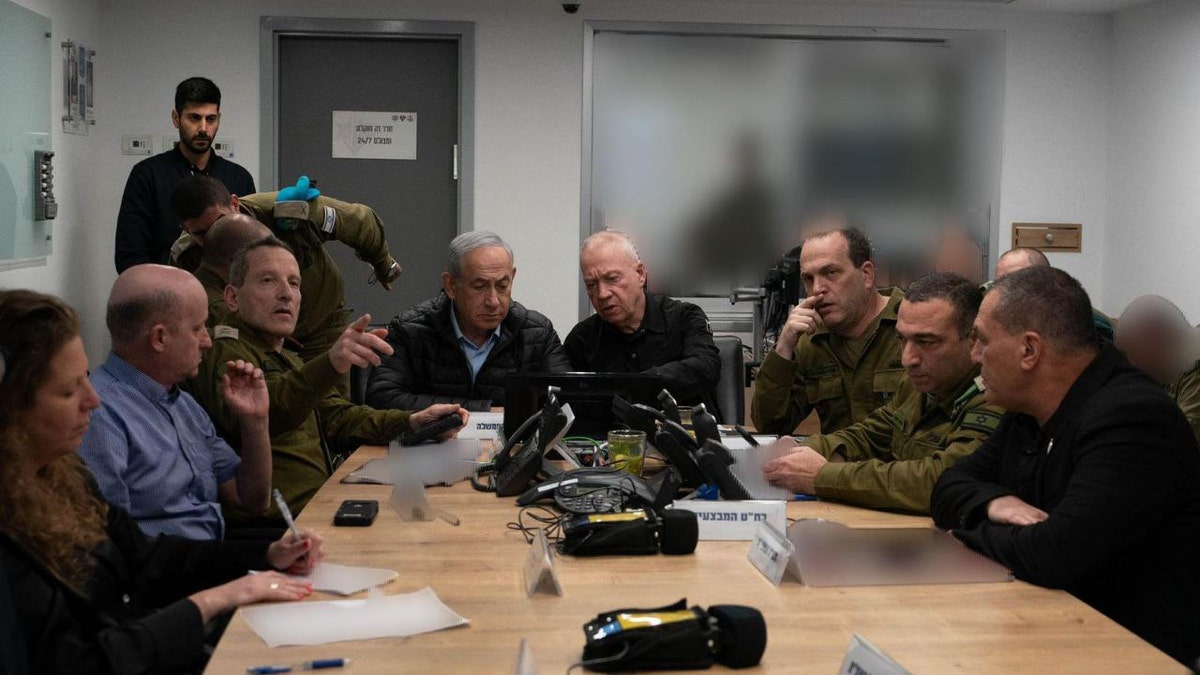

Al Jazeera’s reporting adds context: the uptick in Israeli activity began in late 2024, when the Biden administration pressured Israel over its Gaza operations, and intensified in 2025 as Trump took office and began negotiating with Iran. A 2021 incident, where Israeli military intelligence attempted to plant a listening device at the DIA headquarters, and a 2025 Shin Bet operation targeting a Secret Service vehicle, further fueled U.S. suspicions. While mutual espionage between allies is “long known and tolerated,” officials told NBC News that Israel’s current vigor is “unhinged,” surpassing even some adversaries.
The stakes are clear: if confirmed, this could force the Pentagon to restrict intelligence-sharing with Israel, complicating their joint campaign against Iran. Trump’s push for diplomacy contrasts sharply with Netanyahu’s hawkish stance, and Israeli surveillance of U.S. officials may be an effort to sway Washington’s approach.
Detailed Incidents Justifying the Threat Level Escalation
The specific incidents fueling U.S.
The DIA’s seven-page document, referenced by NBC News, outlines a series of “specific incidents” that triggered the threat level upgrade.
- Technical surveillance: U.S. defense personnel in Israel discovered software secretly installed on their phones, capable of intercepting communications. The New York Times, cited by Al Jazeera, reported similar findings in 2025.
- Human intelligence operations: Efforts to monitor Witkoff, Colby, and DiMino IV—key players in Trump’s Iran negotiations—have intensified since early 2025.
- Physical infiltration attempts: The 2021 DIA headquarters breach and the 2025 Shin Bet operation on a Secret Service vehicle are two confirmed cases where Israeli intelligence allegedly crossed into U.S. sovereign space.
A senior U.S. official described Israel’s current intelligence-gathering as “aggressive,” but the DIA’s “critical” designation suggests it now views these efforts as an existential threat to U.S. national security interests. The question remains: Is this a one-off escalation, or the beginning of a broader intelligence war?
Israel and the White House Reject Allegations Amid Pentagon Silence
Israel has vehemently rejected the allegations. In a statement to NBC News, an Israeli Embassy spokesperson called the claims “completely false,” insisting that “Israel does not gather intelligence on American entities, let alone U.S. government officials.” The spokesperson added that Israel’s intelligence efforts are “aimed at its enemies, not its allies,” and that any contrary reports are “either misinformed or politically motivated.”

The White House echoed this dismissal, with an official telling NBC News that the story was “false and sourced to someone who doesn’t have any knowledge of what’s going on.” Yet, the Pentagon’s silence—it declined to comment—only deepens the mystery. If true, this would be the first time the U.S. has publicly accused an ally of such extensive espionage, raising questions about whether the Trump administration will retaliate or seek diplomatic cover.
Potential Fallout: Intelligence Restrictions, Congressional Scrutiny, and Diplomatic Strains
The fallout could reshape U.S.
- Intelligence sharing restrictions: If the Pentagon confirms the threat level, it may limit the flow of sensitive information to Israel, undermining their joint operations against Iran. This could force Trump to choose between diplomacy and military coordination.
- Congressional scrutiny: Lawmakers, particularly those pushing for closer U.S.-Israel defense ties, may demand answers. The current defense bill includes provisions for deeper military integration—now under threat.
- Diplomatic fallout: Netanyahu’s government may see this as a U.S. betrayal, further straining relations. If Israel believes the U.S. is spying on it in return, the cycle of mutual distrust could spiral.
The bigger picture? This isn’t just about spying—it’s about who controls the narrative in the Iran war. Trump wants an endgame; Netanyahu wants escalation. If Israel’s espionage is confirmed, the U.S. may have to decide whether to prioritize its ally or its own diplomatic strategy.
The story is still developing, but one thing is clear: the trust between Washington and Jerusalem has never been more fragile.
