
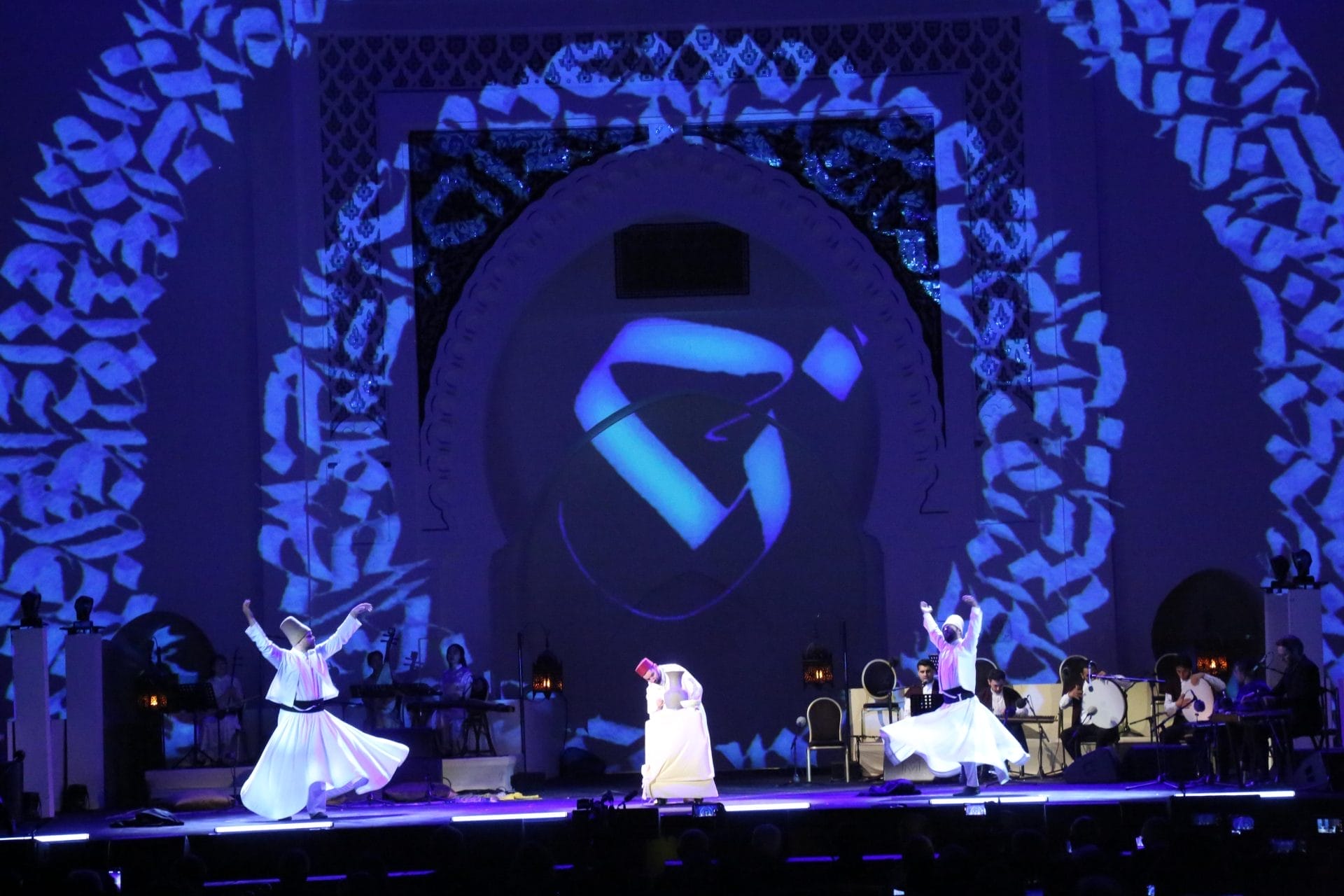
The 29th edition of the Fès Festival of Sacred Music of the World opened on Thursday, June 4, 2026, with a groundbreaking immersive spectacle celebrating artisans as the festival’s cultural cornerstone. While the event marked a triumphant return to its spiritual roots, it unfolded against a backdrop of legal turmoil for its organizers, with key figures facing prison sentences just hours before the festival’s launch.
Legal Storm Overshadows Festival Launch
The festival’s opening night at Bab Makina was meant to be a celebration of Moroccan heritage, featuring “Anima Ex Materia – From Heaven to Earth,” a poetic and immersive production blending the four elements with ancestral artisan techniques. Yet behind the scenes, the festival’s future hung in the balance after the Fès Court of First Instance delivered a landmark verdict in a high-profile corruption case. Abderrafie Zouiten, president of the Fès Spirit Foundation, the festival’s organizer, was sentenced to two years in prison with suspended execution, along with a 100,000 dirham fine and the confiscation of assets acquired after May 3, 2007. His former director, Faouzi Skali, received the same penalty.
This ruling—delivered just as Zouiten was overseeing final preparations for the festival—marks the latest chapter in a legal saga that began in 2023. In that earlier case, Zouiten was convicted of financial crimes related to the foundation’s management, including the use of a private jet and administrative irregularities. The current judgment, however, escalates the stakes by targeting personal assets and reinforcing the court’s stance on financial accountability.
The timing of the verdict couldn’t be more ironic. While Zouiten was inspecting the festival’s logistical setup at Bab Makina—accompanied by the regional governor—the court was finalizing his fate. The decision underscores the festival’s precarious position: a cultural institution at the heart of Morocco’s artistic identity now grappling with existential legal challenges.
The Artisan Revival at the Heart of the Festival
Despite the legal drama, the festival’s artistic vision remains resolutely focused on preserving Morocco’s intangible heritage. The opening night’s spectacle, “Anima Ex Materia,” transformed Bab Makina into a living workshop where tanners, tile-makers, weavers, and potters took center stage. Through choreographed light, sound, and movement, the performance wove together ancient crafts with universal themes, from Chinese antiquity to Balkan traditions. The result was a spiritual dialogue between matter and spirit, where artisans became the festival’s true ambassadors.
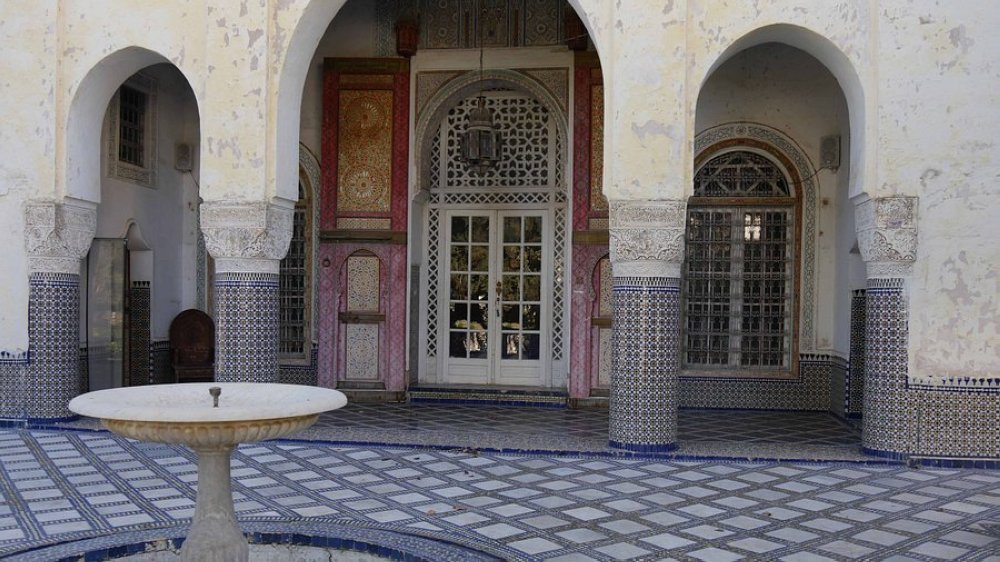
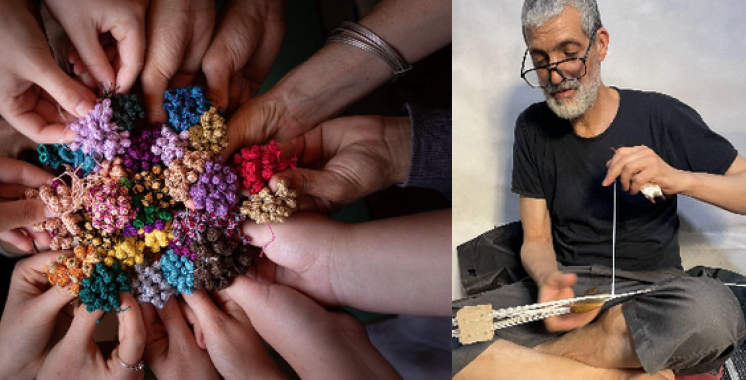
This artistic emphasis extends beyond the festival’s main stage. Running concurrently through June 8, an immersive exhibition at the Dar Bacha Tazi gallery—organized by the Institut Français de Fès, Fès-Saïss Association, and Culture Vultures—offers visitors a tactile journey through Morocco’s artisan traditions. The exhibition, titled “La Cour du San’a,” features authentic tools, ethnographic materials, and recorded testimonies from craftsmen across Fès province, including Taounate, Guigou, and Séfrou. It’s a deliberate effort to document and elevate practices that might otherwise fade into obscurity.
The collaboration between these organizations reflects a broader trend: the growing recognition of artisan heritage as both a cultural treasure and an economic driver. As Carine Foeller Viallon, Consul General of France in Fès and director of the Institut Français, noted in her opening remarks, the exhibition “accompanies the festival’s reflection on the transmission of ancestral gestures and the preservation of intangible heritage.” The partnership extends the festival’s reach beyond music, positioning artisan crafts as essential to Morocco’s cultural identity.
A Festival at the Crossroads: Art vs. Accountability
The contrast between the festival’s artistic triumph and its legal turmoil raises critical questions about the future of cultural institutions in Morocco. The Fès Festival of Sacred Music has long been a beacon of artistic and spiritual exchange, but its survival now hinges on whether its organizers can navigate both creative vision and financial transparency.
For Zouiten and Skali, the suspended prison sentences offer a temporary reprieve, but the asset confiscations and ongoing legal scrutiny create an uncertain future. Their convictions stem from allegations by three foundation members—including the treasurer and secretary general—who accused them of mismanaging funds and engaging in questionable expenditures, such as the private jet. While the festival’s artistic programming appears unaffected for now, the financial fallout could reshape its operations in the long term.

The festival’s ability to continue as planned depends on whether the foundation can secure alternative funding or restructure its leadership. Given the court’s emphasis on financial accountability, any future editions will likely face heightened scrutiny. Yet the festival’s cultural impact—particularly its focus on artisan heritage—has already secured international recognition. The exhibition at Dar Bacha Tazi, for instance, was curated by Jessica Stephens of Culture Vultures, an initiative that has spent two decades documenting Morocco’s craftsmen. This institutional support suggests that the festival’s artistic mission may outlast its current leadership challenges.
What’s Next for Fès and Its Artisans?
The immediate future for the festival hinges on three key factors: legal resolution, financial stability, and artistic continuity. The suspended sentences provide a narrow window for the foundation to stabilize its operations, but the asset confiscations could limit its ability to fund future editions. Meanwhile, the exhibition “La Cour du San’a” offers a glimpse of what the festival could become—a platform not just for music, but for the broader preservation of Morocco’s artisan traditions.
For the artisans themselves, the festival’s focus on their crafts presents both an opportunity and a challenge. The exhibition’s emphasis on direct testimonies and hands-on demonstrations could inspire a new generation of practitioners, but it also highlights the fragility of these traditions in a rapidly modernizing world. The festival’s success in blending music and craftsmanship suggests a model for cultural preservation that goes beyond mere celebration—it’s about creating sustainable pathways for artisans to share their knowledge.
As the festival continues through June 7, its organizers face a delicate balancing act: maintaining its artistic integrity while addressing the legal and financial hurdles that threaten its existence. The opening night’s spectacle proved that the spirit of Fès remains alive, but the coming days will determine whether the festival can transcend its current struggles and secure a lasting legacy for Morocco’s cultural heritage.
One thing is clear: the story of Fès is no longer just about music. It’s about the artisans, the traditions they embody, and the institutions that must learn to protect both.
