
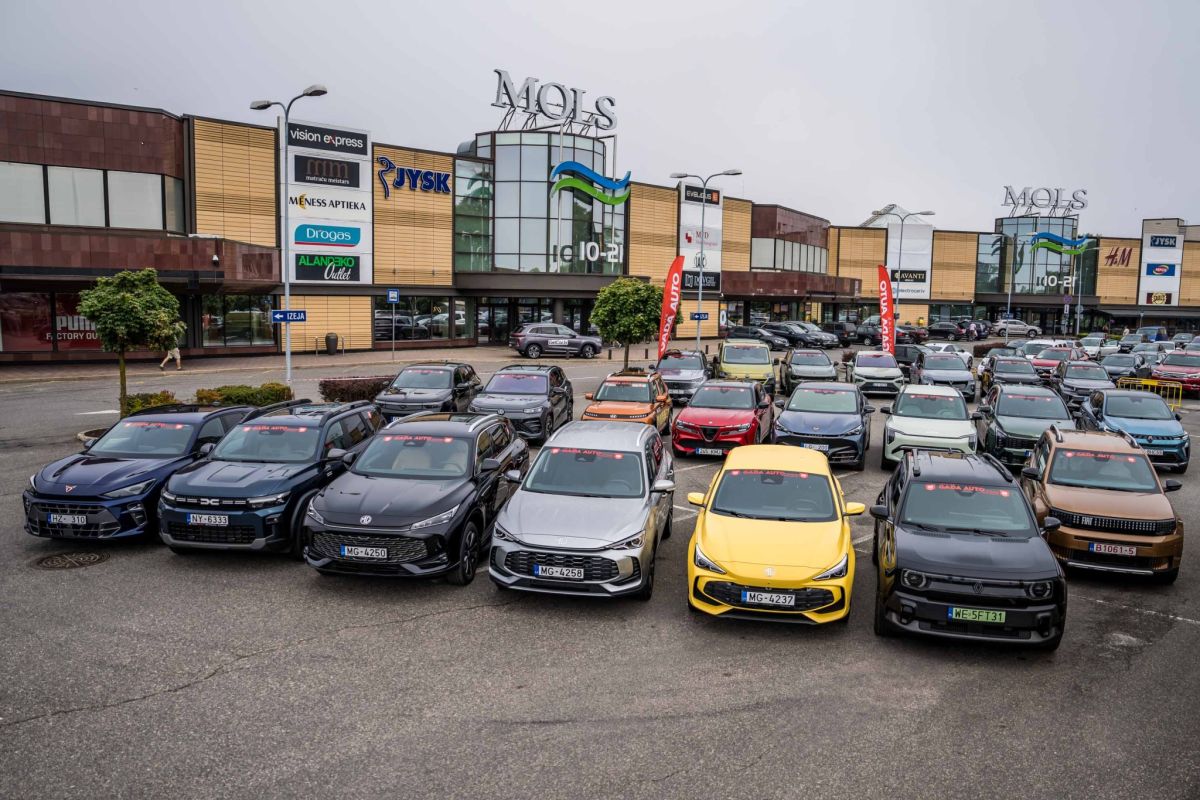
Latvia Launches €40 Million Incentive Program to Accelerate Eco-Friendly Vehicle Adoption
Latvia has officially opened applications for a €40 million state support program designed to increase the prevalence of environmentally friendly transportation across the country. The initiative, managed by the Ministry of Climate and Energy, aims to reduce the nation’s reliance on imported fossil fuels by incentivizing the transition to electric and hydrogen-powered vehicles.
Under the program’s framework, vehicle dealers are invited to apply for participation to offer subsidized, eco-friendly options to residents. To participate, transportation sellers must submit project applications to the Environmental Investment Fund (VIF), which will serve as the executing agency and contract signatory for the program.
The financial incentives are structured to make sustainable mobility more accessible to the general public, with residents eligible to receive up to €9,000 in support for the purchase of an electric vehicle. Notably, the program extends beyond new car sales; support is available for used electric or hydrogen vehicles, provided the vehicle is no more than seven years old from its initial registration date.
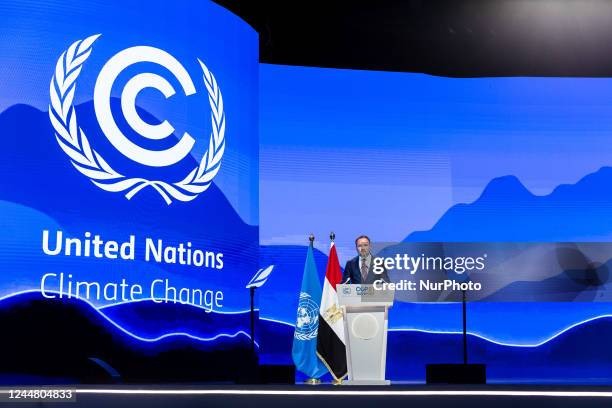
This policy shift underscores a strategic move toward energy security. Kaspars Melnis, the Minister of Climate and Energy, emphasized that the integration of electric vehicles powered by domestically produced energy is a key component of national stability. Melnis stated that “every electric car, which runs on electricity produced in Latvia, reduces dependence on imported fossil energy resources, strengthening Latvia’s energy independence and the development of the state economy.”
The drive for increased adoption comes as Latvia seeks to close a significant gap in green mobility compared to its neighbors. Current data indicates that while one in six cars in Europe is electric, the ratio in Latvia remains one in twelve. By subsidizing the entry cost, the government aims to accelerate this transition and align the domestic market with broader European trends.
The application process for electric vehicle support will remain active until the total funding of €40 million is exhausted, with a final implementation deadline set for December 31, 2029.
