
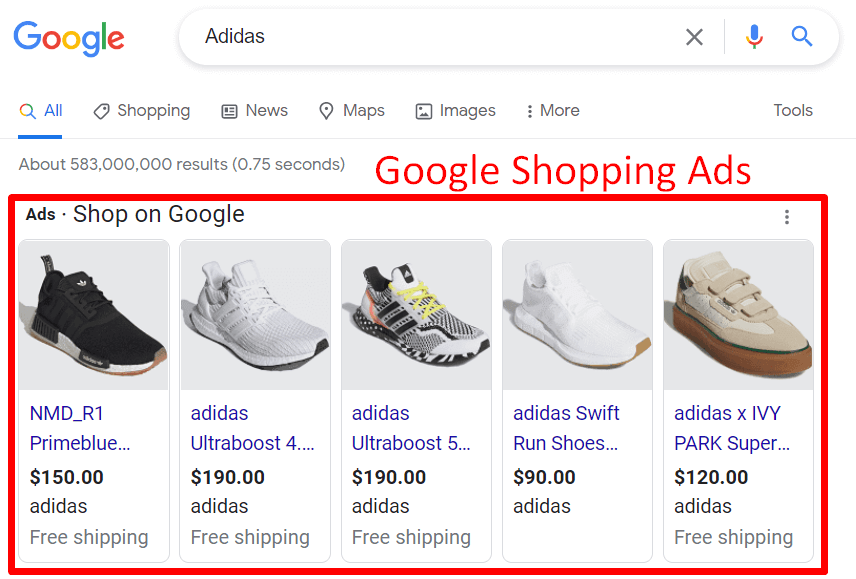
Google has expanded its Shopping Ads service to Latvia, according to a June 11, 2026, report by Delfi.lv, impacting local e-commerce businesses by altering digital marketing strategies. The change, effective May 2026, requires merchants to optimize product listings for Google’s algorithm, which prioritizes listings with detailed metadata and high-quality images.
Google Shopping Integration Mechanics
Implementation Details
The rollout, confirmed by Google Latvia’s director, Aivars Jēkabs, aligns with the tech giant’s global push to integrate shopping features more deeply into its search ecosystem. “Businesses must now adhere to stricter formatting guidelines to appear in shopping results,” Jēkabs stated in a June 8, 2026, press release. Key requirements include standardized product titles, pricing tags, and category tags, with non-compliant listings excluded from featured placements.
This integration marks a significant shift in how Latvian retailers interact with the Google Search engine. Historically, Google Shopping has functioned as a comparison shopping service (CSS), which aggregates product data from various merchants to display them in a visually rich format directly on the search results page. To participate, merchants must upload their inventory data via the Google Merchant Center. This platform serves as the central hub where businesses manage their product feeds, ensuring that information regarding stock levels, shipping costs, and tax requirements remains synchronized with the live search results.
Barriers for Local Retailers
Industry Reactions
The Latvian E-commerce Association (LEA) reported mixed responses. “Many small businesses face challenges adapting to the new rules,” said LEA spokesperson Anda Ozola. “However, larger firms with dedicated digital teams are leveraging the shift to gain visibility.” A June 10, 2026, survey by LEA found 62% of member companies had updated their listings, while 38% cited technical hurdles.
The technical hurdles mentioned by the LEA relate primarily to the complexity of XML and API-based data feeds. Unlike traditional static website advertisements, Google Shopping ads are dynamic; they pull real-time data from a merchant’s database. For small retailers lacking in-house technical support, the transition requires either the manual entry of hundreds of SKUs or the purchase of third-party feed management software, which can represent a significant overhead for low-margin businesses.
Strategic Adjustments by Businesses
E-commerce platforms like Bolti.lv and TavasPirkt.lv have introduced free optimization tools to assist merchants. “We’ve seen a 25% increase in traffic from Google Shopping since the update,” said Bolti.lv CEO Māris Liepa. Conversely, independent sellers like Rūta Kalniņa, who runs a handmade goods store, described the process as “overwhelming.” “The fees for professional listing management are prohibitive,” she said in a June 9, 2026, interview with LTV.
The divergence in experience between large platforms and independent artisans highlights a growing digital divide in the Baltic e-commerce sector. Larger platforms, which already possess the infrastructure to manage bulk product data, find it easier to comply with Google’s Product Data Specification. For independent sellers, the requirement to provide high-resolution imagery and precise category mapping—often requiring specific Google Product Category (GPC) codes—presents a high barrier to entry. This mirrors trends observed in other European markets, where the centralization of traffic through Google’s interface has forced smaller merchants to rely on larger marketplaces to act as intermediaries.
Regulatory Oversight and Future Costs
Regulatory and Market Implications
The Latvian Consumer Rights Agency is monitoring compliance, with no formal complaints yet filed. Analysts note the shift mirrors similar changes in Germany and Poland, where shopping ads drove a 15% rise in online sales for participating businesses in 2025. “This could reshape Latvia’s e-commerce landscape,” said economist Kristaps Grīnbergs. “But success hinges on accessibility for smaller players.”
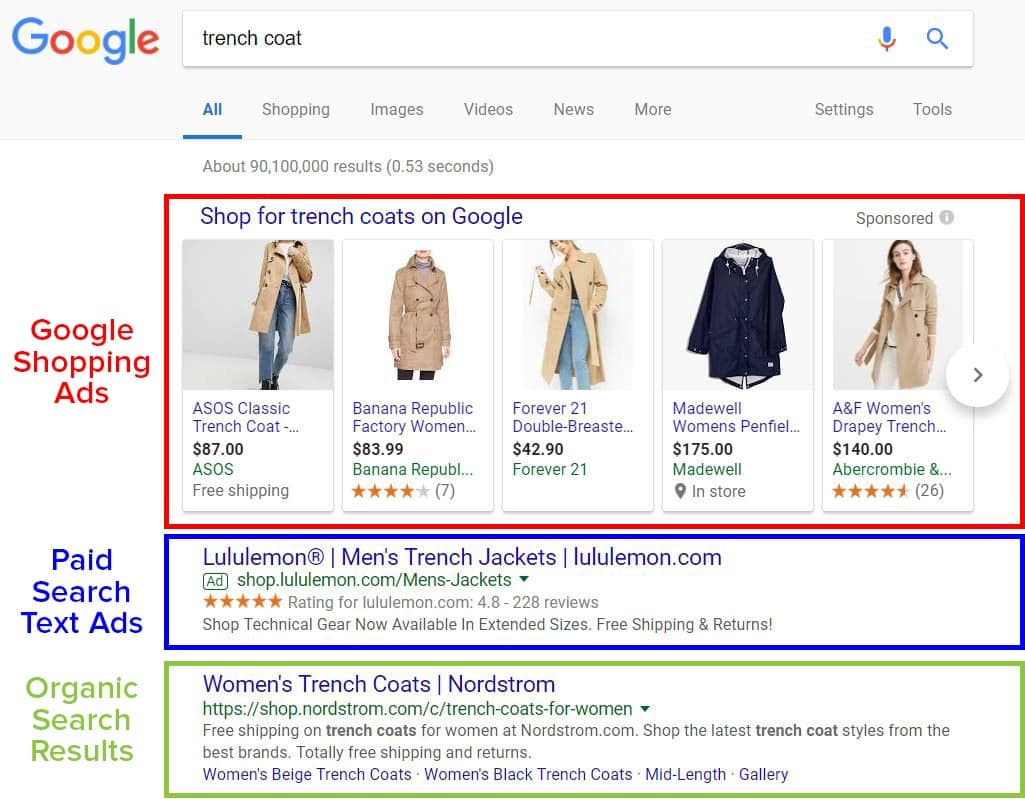
The regulatory environment in the European Union, particularly regarding the Digital Markets Act (DMA), has previously scrutinized Google’s dominance in the comparison shopping space. In prior years, European regulators have mandated that Google allow competing comparison shopping services to bid for placement in the same ad units. As Google expands these services into new territories like Latvia, the company is operating under the watchful eye of both local consumer protection agencies and broader EU directives aimed at ensuring fair competition and transparency in digital advertising auctions.
The next phase, scheduled for August 2026, includes a mandatory fee for premium ad placements, according to Google’s 2026 roadmap. Businesses are now navigating whether to invest in the new system or explore alternative platforms. This upcoming transition represents a pivot from the experimental phase of the rollout to a full-scale commercial model, forcing Latvian businesses to weigh the cost-per-click (CPC) against their anticipated conversion rates. As the market matures, companies are expected to analyze their return on ad spend (ROAS) closely to determine if the visibility gained through Google’s ecosystem justifies the increased cost of digital acquisition.
Find more reporting in our Business section.
