
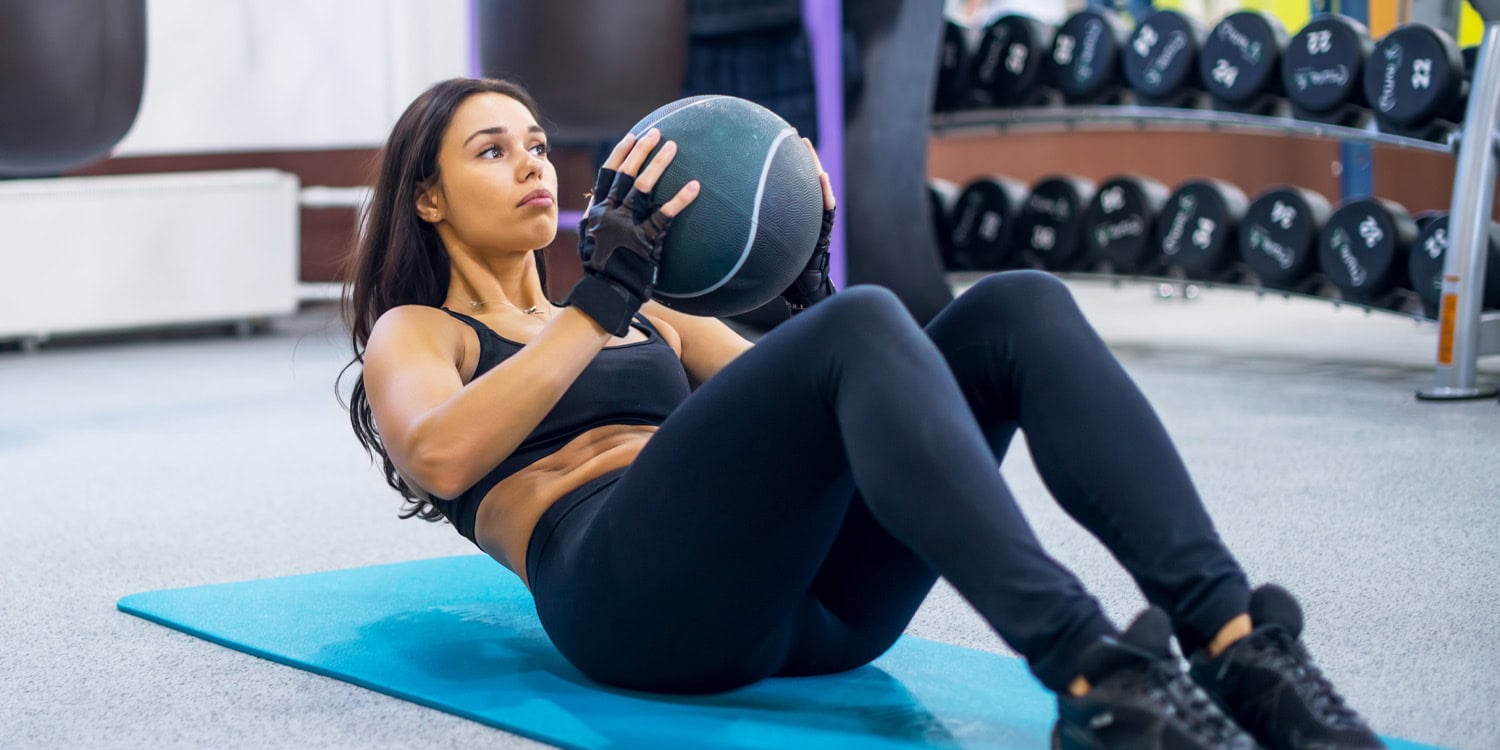
Study Details Women’s Experiences with Orgasms During Exercise
A new body of research provides the most detailed account to date of women’s experiences with orgasms occurring during physical activity, revealing these experiences often begin in childhood and are felt as a deep, internal sensation.
Researchers at The Center for Sexual Health Promotion at Indiana University conducted a series of studies spanning over a decade, moving from initial surveys to in-depth interviews with 21 women aged 19 to 68. The investigations began after noticing a phenomenon frequently discussed online as “coregasms,” particularly linked to abdominal exercises. Initial surveys in 2011 of 530 women showed abdominal exercises, climbing, and weight lifting were most commonly associated with these experiences, with a significant portion reporting feeling self-conscious. A 2021 national survey estimated approximately 9% of U.S. adults have experienced orgasm during exercise, with no significant difference between men and women, though women reported experiencing it at a slightly older age – around 23 – compared to men at 17.
Qualitative interviews revealed many women first experienced arousal or orgasm during childhood, often while climbing or doing sit-ups, initially mistaking the sensation for needing to urinate. Participants described an “aha” moment later in life when they connected these childhood sensations to arousal and orgasm. Physically, the experience was often described as a deep, internal sensation, distinct from clitoral stimulation, and predictable after a certain number of repetitions. Some women integrated this knowledge into their sexual lives, using similar muscle contractions during partnered sex. Understanding the complexities of human sexual response is crucial for destigmatizing diverse experiences and promoting sexual health. More information on sexual health can be found at Planned Parenthood.
While the research highlights a previously under-explored aspect of human sexuality, researchers acknowledge limitations including a relatively small sample size in the qualitative study and a focus on U.S. participants. Future research will focus on understanding the physiological mechanisms behind exercise-induced orgasms, potentially involving biomechanical analysis and neuro-imaging, and expanding the study to include more diverse populations. Further research into the physiological basis of orgasm can be found at Neuroscience Journal.
Researchers plan to continue investigating the phenomenon to better understand its underlying mechanisms and potential applications, including for physical therapy and fitness training.
