
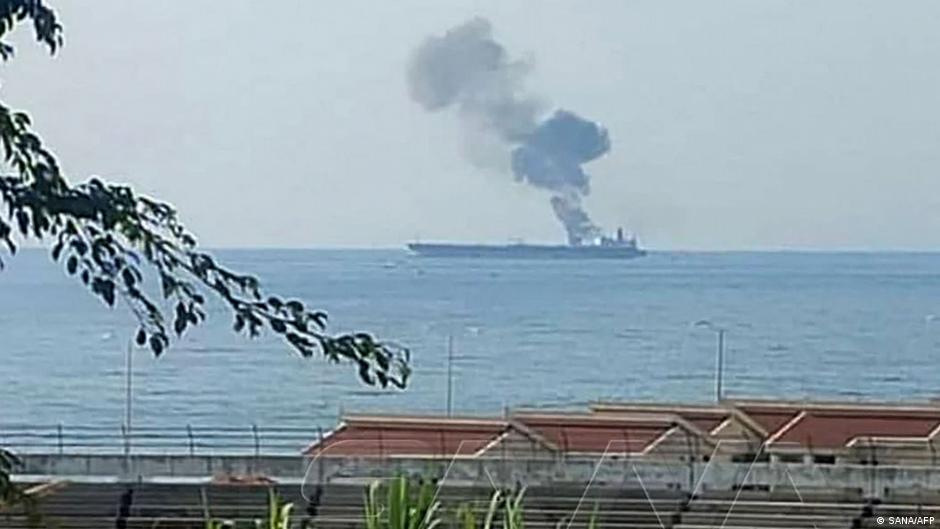
U.S. forces shot down two Iranian drones over the Strait of Hormuz on Saturday, June 6, 2026, marking the latest escalation in a volatile regional conflict. The strike followed a series of cross-border attacks involving Iran, Kuwait, and Bahrain, as Washington continues to weigh options for using frozen Iranian assets to fund regional reconstruction efforts.
Escalating Military Exchanges in the Strait of Hormuz
The U.S. Central Command (Centcom) confirmed the drone downings on Saturday, characterizing the aircraft as an immediate threat to international maritime traffic. This action occurred just one day after American forces intercepted four other Iranian drones and struck surveillance radar installations at Goruk and on Qeshm Island, according to reporting from El Peruano. The U.S. military maintains that these defensive measures are necessary to protect the movement of global energy supplies through the critical waterway.
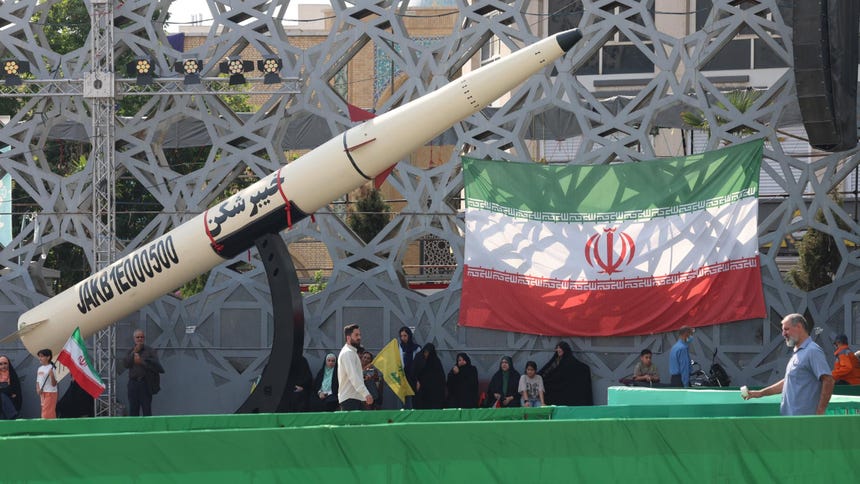
Tehran’s perspective remains starkly different. The Islamic Revolutionary Guard Corps stated that their operations near the strait were intended to block unauthorized oil tankers from passing through the corridor. Tensions have been further inflamed by Tehran’s recent missile attacks on what it described as American military bases in Kuwait and Bahrain. While the Revolutionary Guard claimed these strikes damaged the headquarters of the U.S. Fifth Fleet in Bahrain, RPP reports that Centcom has explicitly denied these claims, asserting that all incoming missiles were intercepted without causing casualties or infrastructure damage.
The Diplomatic and Economic Fallout
The conflict has placed significant strain on the Gulf states, which have found themselves on the front lines of a war that began in late February. In Kuwait, the impact has been tangible; a drone attack earlier this week struck the main international airport, resulting in one death and dozens of injuries. Residents in the region, such as one mother interviewed near the airport, have described scenes of terror as explosions rocked civilian areas, according to El Comercio Perú.

As the military situation intensifies, the U.S. Treasury Department is exploring aggressive economic levers. Officials are reportedly evaluating the legal authority to redirect frozen Iranian assets toward rebuilding infrastructure in Gulf nations damaged by the war. Deutsche Welle reports that this strategy is being spearheaded by the office of Treasury Secretary Scott Bessent, with assessments currently underway to calculate the full scope of damages across Saudi Arabia, Bahrain, Qatar, the United Arab Emirates, Kuwait, and Oman.
This economic pressure arrives at a sensitive moment for the White House. With midterm elections approaching, the administration is facing political fallout from surging global energy prices caused by the blockade of the Strait of Hormuz. Despite the ongoing kinetic exchanges, Washington continues to insist that a ceasefire agreement, originally established in April, remains technically in effect, even as both sides acknowledge that the truce is effectively in tatters.
Stalled Negotiations and Visa Disputes
Diplomatic efforts to break the deadlock appear to be failing. Mohsen Rezaei, an advisor to Iranian leader Mojtaba Jamenei, told CNN that the current impasse can only be resolved if the United States releases 24 billion dollars in frozen Iranian assets. “Ese es nuestro dinero, no el dinero de Estados Unidos,” Rezaei stated, framing the release of funds as a prerequisite for any meaningful de-escalation.

The friction has even spilled into the sporting arena. The Iranian ambassador to Mexico, Abolfazl Pasandideh, recently accused the U.S. government of obstructing the entry of the Iranian national football team ahead of the FIFA 2026 World Cup. According to the ambassador, fifteen members of the technical and management staff have been denied entry without explanation. While the White House has countered these claims by telling Reuters that visas have indeed been issued, the discrepancy highlights the deep mistrust between the two nations.
What Lies Ahead for the Region
The immediate future remains grim as both Washington and Tehran appear locked in a cycle of reactive violence. President Donald Trump, in a recent interview with NBC, defended the pace of the American military campaign, noting that he has been acting with speed despite the conflict entering its third month. As the U.S. military remains in a high state of readiness, the primary concern for global markets remains the continued security of the Strait of Hormuz.
The next 30 days will likely be defined by two factors: whether the U.S. proceeds with the seizure of assets—which Tehran has already signaled would be viewed as an act of aggression—and whether the ongoing mediation efforts, such as those involving the Pakistani government, can find a path toward a sustainable, rather than merely theoretical, ceasefire.
“Hoy, más temprano, fuerzas de EE.UU. derribaron dos drones iraníes que amenazaban al tráfico marítimo internacional en el estrecho de Ormuz.
