
SpaceX confirmed in a regulatory filing on Friday that it has secured a massive computing deal with Google, which will pay $920 million monthly for access to approximately 110,000 NVIDIA GPUs and related hardware. The agreement, spanning from October 2026 through June 2029, arrives just one week before SpaceX’s anticipated Nasdaq IPO.
A Strategic Bridge for Gemini Enterprise
The deal represents a significant expansion of the partnership between the two technology giants. As TechCrunch reported, Google is looking to address unexpected demand for its agent platform, Gemini Enterprise. The company described the agreement as a necessary step to secure immediate, high-capacity computing resources.
“Google Cloud and SpaceX are long-time partners. This is a short-term, timely agreement to ensure we have bridge capacity to meet surging customer demand for our agent platform, Gemini Enterprise, which has been even higher than we expected.”Google representative, via TechCrunch
Under the contract, Google gains access to “approximately 110,000 NVIDIA GPUs, CPUs, memory, and other related components.” The infrastructure usage is scheduled to ramp up throughout September at a reduced fee. This arrangement mirrors a similar, larger agreement SpaceX recently finalized with Anthropic, which committed to paying $1.25 billion per month through 2029 for compute capacity located at the Colossus 1 data center near Memphis, Tennessee. The inclusion of CPUs and memory alongside the 110,000 NVIDIA GPUs highlights the comprehensive nature of the infrastructure package, which is designed to support the intensive computational requirements of Gemini Enterprise’s large-scale agent operations.
IPO Timing and Financial Stakes
The announcement comes at a critical juncture for SpaceX as it prepares for its initial public offering on the Nasdaq exchange. Financial documents filed with the Securities and Exchange Commission indicate that the company is aiming for a valuation of approximately $1.75 trillion, with plans to raise roughly $75 billion.
Alphabet, Google’s parent company, is currently managing aggressive capital expenditure requirements. The company has already committed to more than $180 billion in spending for this year, a figure it expects to “significantly increase” in 2027. To bolster its balance sheet for these investments, Alphabet recently initiated an $80 billion equity sale. Given that Google is already considered one of the world’s largest owners of AI compute, the reliance on external capacity from SpaceX underscores the extreme pressure on hardware availability for large-scale AI deployment. This financial commitment from Alphabet highlights the high cost of maintaining the infrastructure necessary to remain competitive in the AI landscape, where demand for GPU-dense environments frequently outstrips internal supply.
Termination Clauses and Performance Metrics
The agreement includes specific performance and exit clauses designed to protect both parties. Both SpaceX and Google maintain the right to terminate the contract with 90 days’ notice, provided such notice occurs after December 31, 2026.
The filing also outlines clear consequences for potential supply delays. As TechCrunch noted, SpaceX is under pressure to meet hardware deployment deadlines.
“If we fail to deliver access to the committed amount of GPUs by September 30, 2026, then following a one-month grace period, Google may immediately terminate the agreement or accept the number of GPUs provided”SpaceX regulatory filing, via TechCrunch
If Google chooses to accept fewer GPUs than initially committed, the monthly fees will be adjusted accordingly. This performance-based structure provides Google with a safety net as it attempts to scale its AI products without being bottlenecked by hardware shortages. The inclusion of a grace period suggests that both parties have accounted for potential logistical challenges in the rapid deployment of such a massive fleet of high-end hardware, ensuring that Google’s financial obligations remain tied directly to the actual availability of the computing resources.
Broader Industry Momentum
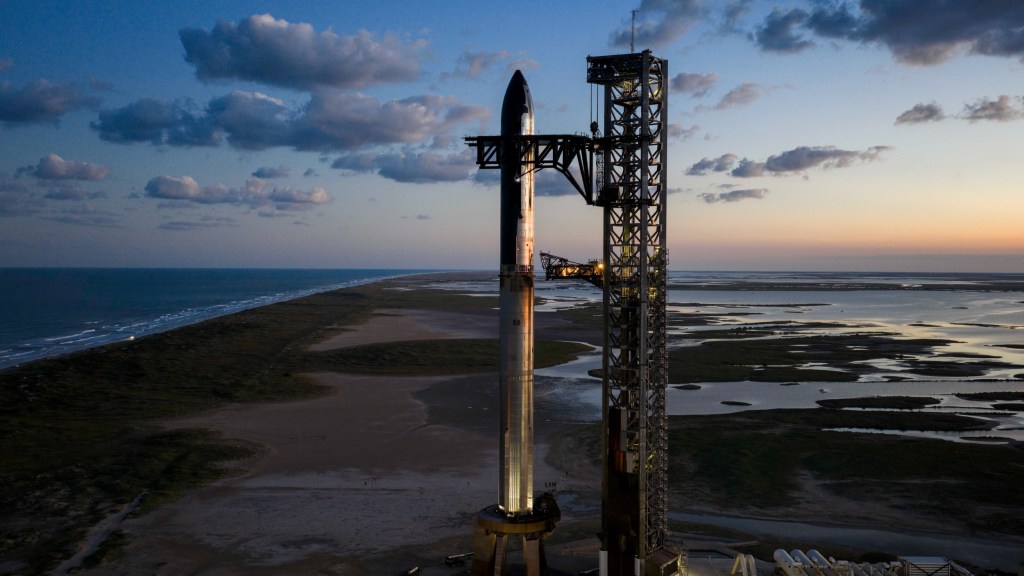
The scale of these compute deals highlights the rapid evolution of the space and AI sectors. While SpaceX is capturing headlines for its high-dollar data center contracts, other industry players are simultaneously scaling their own operations. Impulse Space, a company founded by SpaceX’s first-ever employee, Tom Mueller, recently raised $500 million to develop a new fleet of ultra-mobile spacecraft. Space.com reported that these developments are part of a broader trend aimed at transforming the space economy.
As the market looks toward the upcoming IPO, investors will be watching how SpaceX balances its core launch operations—which remain highly active across California and Florida—with the massive infrastructure requirements of its xAI-associated data centers. With the company’s valuation targets set at $1.75 trillion, the ability to monetize compute capacity alongside traditional aerospace services will be a primary focus for the markets in the coming months. The diversification of SpaceX’s business model into high-performance computing services represents a departure from traditional aerospace revenue streams, positioning the company as a key infrastructure provider for the broader AI industry while maintaining its established footprint in orbital launches and space exploration technologies.
