
Since 2023, at least eight scientists connected to space and nuclear research in the United States have died or disappeared under unclear circumstances, prompting growing concern among national security experts and members of Congress.
The pattern emerged following the death of Michael David Hicks, a 59-year-old scientist who worked at NASA’s Jet Propulsion Laboratory from 1998 to 2022. Hicks passed away on July 30, 2023, with no cause of death officially released. He had contributed to NASA’s Double Asteroid Redirection Test (DART) mission, which tested whether asteroids could be redirected in space.
Hicks was later identified as the ninth in a series of losses involving researchers tied to sensitive aerospace and nuclear projects, including work on unidentified aerial phenomena. His passing added to a growing list of individuals who either died or vanished between 2024 and 2026, with no public accusations of foul play but increasing scrutiny over potential foreign interference.
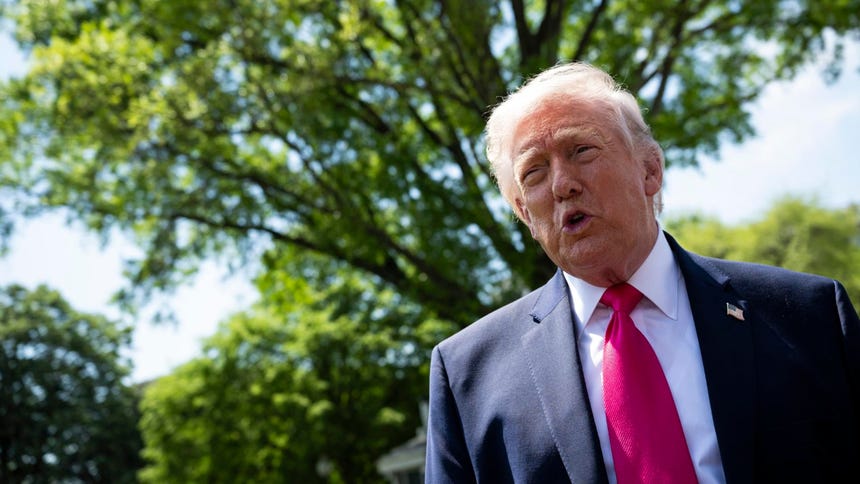
White House press secretary Karoline Leavitt addressed the issue after being questioned by Fox News’ Peter Doocy, stating the Trump administration would look into the matter. “I haven’t spoken to our relevant agencies about it. I will certainly do that and we’ll get you an answer,” she said. “If true, of course, that’s definitely something I think this government and its administration would deem worth looking into.”
Other individuals referenced in the reports include Frank Maiwald, who also worked at the Jet Propulsion Laboratory and died on July 4, 2024, at age 61, with cause of death not disclosed. Another case involves Monica Reza, a colleague of Hicks at JPL, who disappeared without trace in June 2025 shortly after becoming director of the Materials Processing Group.
The deaths and disappearances have drawn attention from international outlets and online investigators, with some suggesting a possible pattern tied to expertise in rocket propulsion, nuclear fusion, and aerial phenomena research. No official conclusions have been released, but the trend has been described as worrying by those monitoring national security risks to critical scientific talent.
