
President Donald Trump announced Sunday that a ceasefire agreement with Iran is “largely negotiated” and includes provisions to reopen the Strait of Hormuz, marking a potential turning point in the escalating US-Israel conflict. The deal, still subject to finalization, follows high-level diplomatic calls with Middle Eastern allies and Israel’s Benjamin Netanyahu, with Pakistan positioned as a potential host for future talks. While regional leaders express cautious optimism, the fund’s mechanics and eligibility remain under scrutiny amid legal and political fallout from Trump’s domestic policies.
Ceasefire Talks: What Trump’s Announcement Means
Trump’s statement—made after a call with leaders from Qatar, Saudi Arabia, the UAE, Pakistan, Jordan, Egypt, Turkey, and Bahrain—frames the agreement as a diplomatic victory for his administration. The president emphasized that the deal would reopen the Strait of Hormuz, a critical shipping lane for global oil supplies, which has been a flashpoint in tensions between Iran and Western powers. According to Al Jazeera, the agreement is still “subject to finalization” by negotiators and “various other countries,” suggesting the process is not yet complete.

The announcement comes as the US and Israel have faced mounting pressure to de-escalate a conflict that has drawn in regional proxies and threatened to disrupt global energy markets. Trump’s framing of the deal as a product of his administration’s “peace through strength” doctrine aligns with his broader narrative of restoring American leadership in the Middle East—a theme echoed in the White House’s official messaging.
Regional Reactions: Optimism Meets Skepticism
Pakistan’s Prime Minister Shehbaz Sharif welcomed the progress, stating his country would continue facilitating dialogue and expressing hope that Islamabad could host future US-Iran talks “very soon.” Turkey’s President Recep Tayyip Erdoğan, meanwhile, called the agreement a step toward “free passage” through the Strait of Hormuz, though he did not detail how this would be achieved. Egypt’s presidency urged all parties to “seize the diplomatic initiative,” signaling broad regional support for a resolution—though skepticism remains about whether Iran will fully commit to the terms.
Israel’s Prime Minister Benjamin Netanyahu has not yet publicly commented on the deal, but his absence from the initial diplomatic calls raises questions about Jerusalem’s willingness to accept terms that may require concessions. Netanyahu’s government has faced domestic backlash for its handling of the conflict, and any agreement would likely require careful political maneuvering to avoid further internal divisions.
Domestic Distractions: The $1.7 Billion Fund and Legal Fallout
While Trump’s focus turns to the Middle East, his administration is grappling with a legal and political firestorm over the newly announced $1.7 billion “Anti-Weaponization Fund”. The fund, created to compensate victims of what the Justice Department calls “selective or vindictive prosecution,” has become a lightning rod for criticism. Trump initially claimed he was “not involved” in its creation, only to reverse course in a Truth Social post where he framed the fund as a sacrifice for justice.
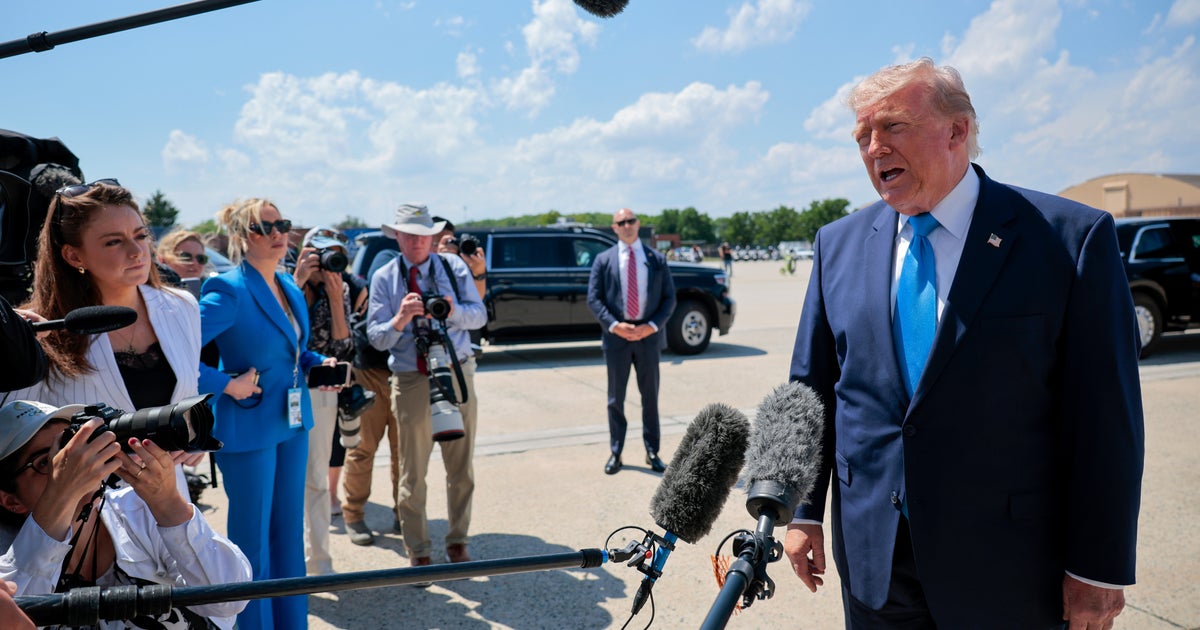
For more on this story, see Iran Warns U.S. Strikes Could Spark Wider Middle East War.
“I gave up a lot of money in allowing the just announced Anti-Weaponization Fund to go forward,” Trump wrote. “I could have settled my case… for an absolute fortune. Instead, I am helping others, who were so badly abused by an evil, corrupt, and weaponized Biden Administration, receive, at long last, JUSTICE!”
The fund’s eligibility has sparked controversy, particularly after reports that individuals pardoned for their roles in the January 6 Capitol riot—including some who assaulted law enforcement—may qualify for payouts. Senate Republicans, including those who have faced pressure from Trump allies, are demanding transparency on how the fund will operate. Meanwhile, critics like Michael Cohen, a former Trump lawyer turned critic, have already signaled they intend to apply, further complicating the political landscape.
A Clash of Priorities: Iran Deal vs. Domestic Politics
The timing of Trump’s Iran announcement—just days after defending the Anti-Weaponization Fund—highlights the administration’s struggle to balance foreign policy achievements with domestic political survival. The fund, while framed as a moral imperative, risks alienating moderates in Trump’s own party who see it as a thinly veiled effort to reward allies and punish opponents. Meanwhile, the Iran deal, if successful, could bolster Trump’s image as a dealmaker on the global stage—a narrative he has carefully cultivated since his first presidency.
Yet the fund’s creation also raises questions about the Justice Department’s independence. The $1.7 billion pot was established amid ongoing legal battles involving Trump himself, including the illegal release of his tax returns and the Mar-a-Lago raid, both of which he has framed as politically motivated attacks. The fund’s board, appointed by the attorney general, will determine payouts, but its lack of transparency has already drawn scrutiny from legal experts and congressional oversight committees.
This follows our earlier report, U.S. reportedly gives Iran 2-3 days to respond in escalating tensions.
What Comes Next: The Road to Finalization
The next 30 days will be critical in determining whether the Iran ceasefire deal materializes.
- Iran’s Commitment: Will Tehran fully adhere to the terms, particularly regarding the Strait of Hormuz? Past agreements have often unraveled due to mistrust.
- Israeli Approval: Netanyahu’s government must signal its acceptance, or the deal risks collapse without Jerusalem’s buy-in.
- Regional Stability: Proxy conflicts in Yemen, Syria, and Lebanon could derail progress if any party perceives the deal as a betrayal.
- Domestic Politics in the US: The Anti-Weaponization Fund’s fallout may divert attention from foreign policy, especially if legal challenges or congressional investigations intensify.
If the deal holds, it could reshape US-Iran relations and reduce tensions in a region that has been volatile for decades. But if it falters—whether due to Iranian backtracking, Israeli resistance, or domestic political pressures—the administration may face a diplomatic setback just as it seeks to consolidate its foreign policy legacy.
The contrast between Trump’s foreign policy triumphs and his domestic legal battles underscores the dual challenges facing his administration. While the Iran deal offers a potential diplomatic win, the Anti-Weaponization Fund serves as a reminder that Trump’s political survival depends not only on foreign policy successes but also on navigating the legal and partisan minefield at home.
For now, the world watches to see whether Trump’s diplomatic gamble in the Middle East can overshadow the controversies swirling around his own legal battles—a test of whether his administration can deliver on both fronts.
