
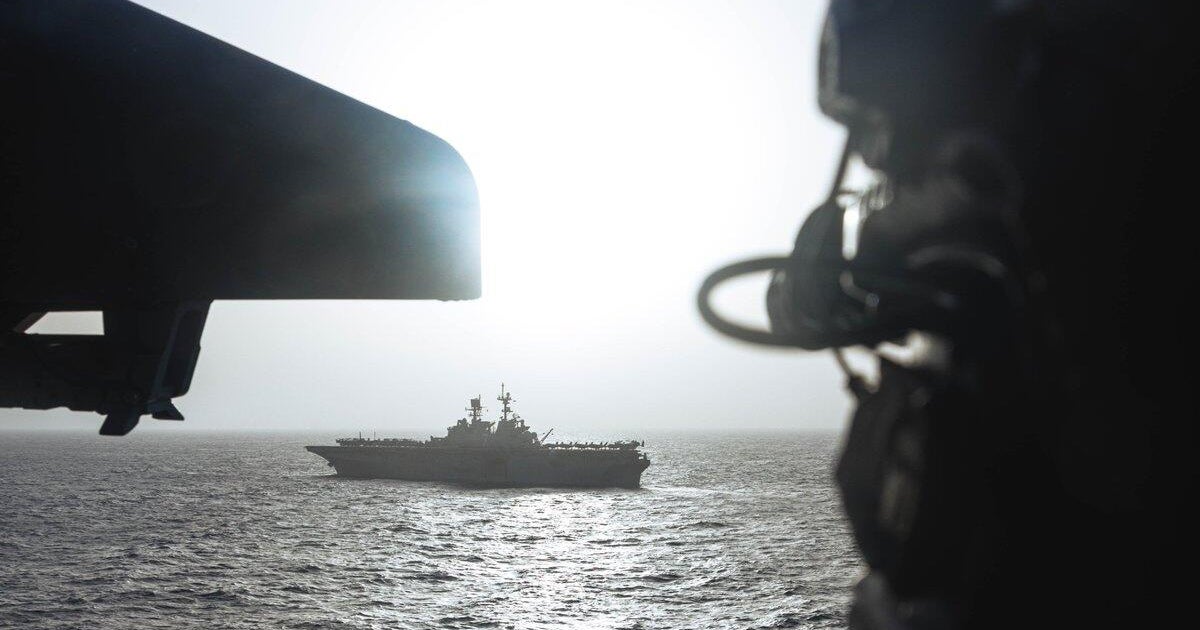
Diplomatic Maneuvering and the Ultimatum for Peace
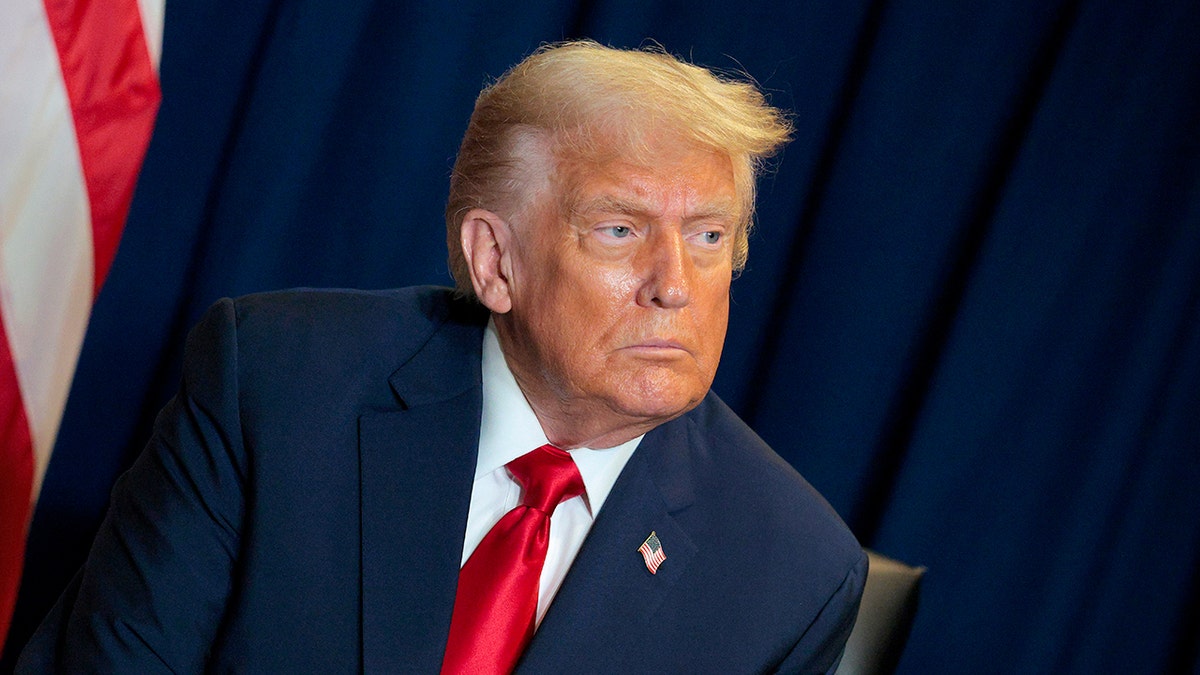
The path to a ceasefire remains volatile as Washington and Tehran weigh a new proposal. President Trump, speaking in an interview with CBS News, confirmed that his administration is currently reviewing a draft agreement. While he expressed that his team is “pretty impressed” by the Iranian negotiators, he maintained a strict stance on the conditions for ending the conflict, which has significantly impacted global fuel prices.
The President’s strategy involves a stark binary choice for the Iranian government. According to reporting from ABC News, Trump has informed his inner circle—including Jared Kushner, Steve Witkoff, and Vice President JD Vance—that he expects a resolution by this Sunday. The stakes for the Iranian leadership are high; the President has made it clear that he will not accept a deal that leaves Iran’s nuclear ambitions unchecked.
“I think one of two things will happen: either I hit them harder than they have ever been hit, or we are going to sign a deal that is good.”Donald Trump, President of the United States, via Axios
The Nuclear Threshold and Strategic Demands
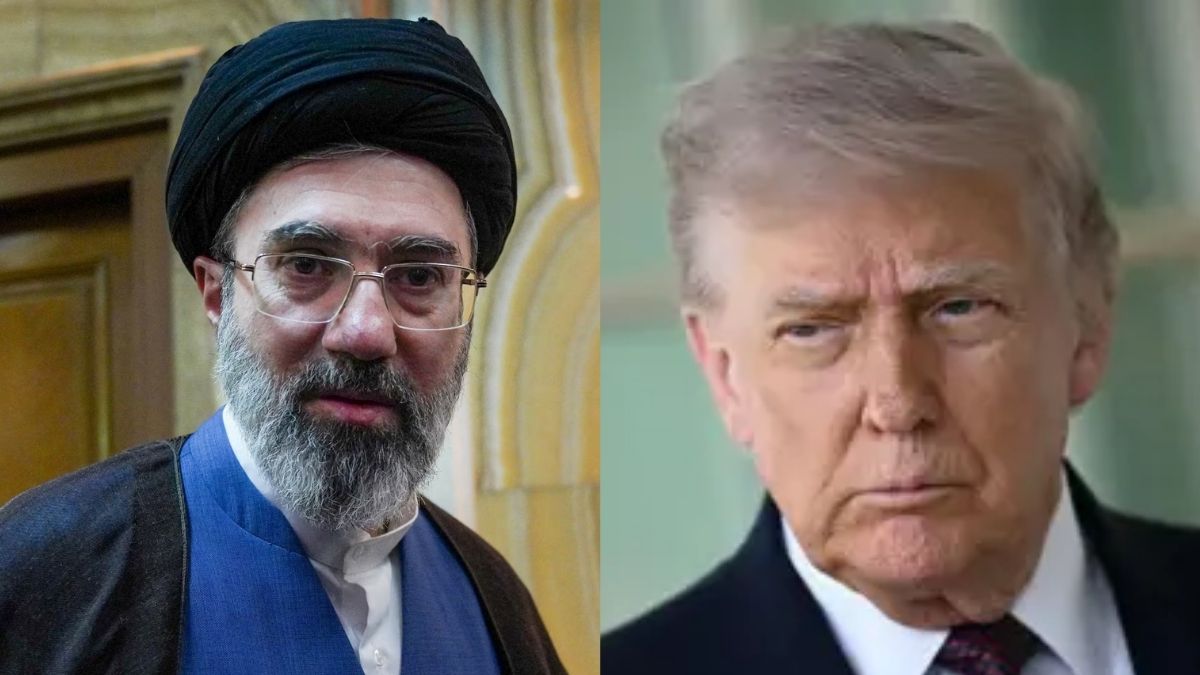
A core element of the proposed agreement is the handling of Iran’s nuclear program. Financial Express reports that the negotiations focus heavily on ensuring Iran does not obtain a nuclear weapon and that its existing stockpile of enriched uranium is “satisfactorily handled.”
The diplomatic process has been marked by shifting strategies. Since a temporary ceasefire was implemented six weeks ago, the administration has toggled between the possibility of a negotiated settlement and the threat of renewed military action. The President stated he would “only sign a deal where we get everything we want,” signaling that the current draft is subject to his final approval following discussions with his advisors.
Economic Hardship and Cultural Repression in Tehran
While high-level diplomacy continues, the domestic situation within Iran remains dire. Independent filmmakers and industry workers are facing severe economic pressure and increased state surveillance. Pegah Ahangarani, an actor-director who left Iran in 2022, described the current environment as a period of extreme repression.
“Now, with the war, the little information we get from Iran tends to show that it’s the same for filmmakers as for the rest of the population, meaning repression that is stronger than ever. They are much harsher than before.”Pegah Ahangarani, Actor-Director
The economic fallout of the conflict has effectively paralyzed the independent film movement. Kaveh Farnam, a former head of the Iranian Independent Filmmakers Association, noted that technical staff and industry professionals are struggling to survive as inflation erodes their purchasing power. The combination of internet censorship and financial instability has created a near-total blackout of normal creative activity.
“They are badly under pressure, out of money, with no income and the prices are increasing every day.”Kaveh Farnam, Director and former head of the Iranian Independent Filmmakers Association
Sanctions and the Road Ahead
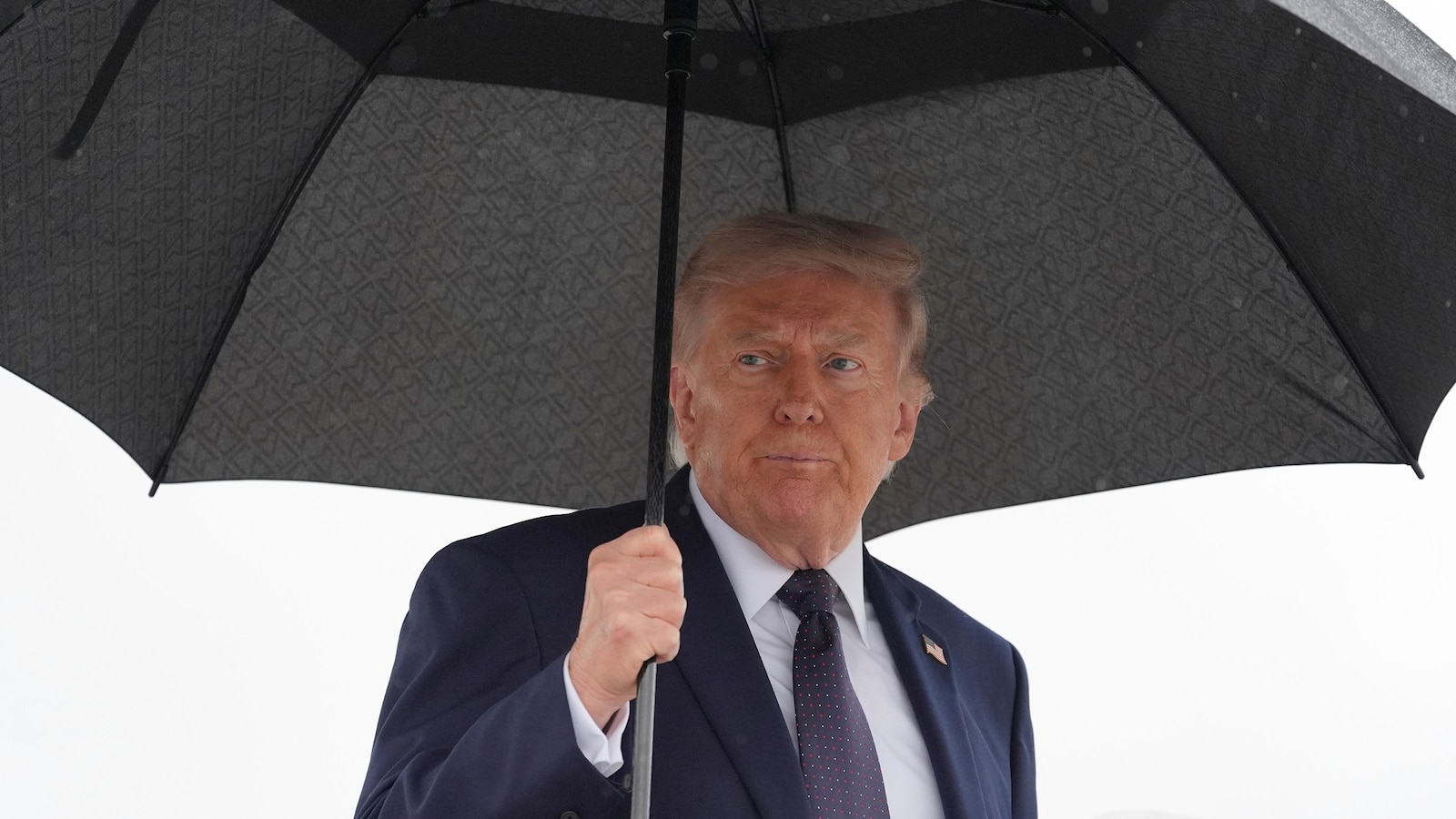
As peace talks hover in a fragile state, friction continues to manifest in other diplomatic arenas. On Friday, the Iranian foreign ministry condemned new U.S. Treasury Department sanctions targeting Mohammad Reza Raouf Sheibani, Tehran’s ambassador-designate to Lebanon. The ministry characterized the sanctions as “illegal and unjustified,” further complicating the broader geopolitical context of the ongoing war.
With the President’s deadline approaching this weekend, the international community remains in a state of uncertainty. Whether the current draft leads to a lasting agreement or a return to intensified military engagement depends on the specific answers Iran provides to the American proposal. The administration has indicated that while they are “getting a lot closer” to a finalization, the window for diplomacy is narrowing rapidly.
