
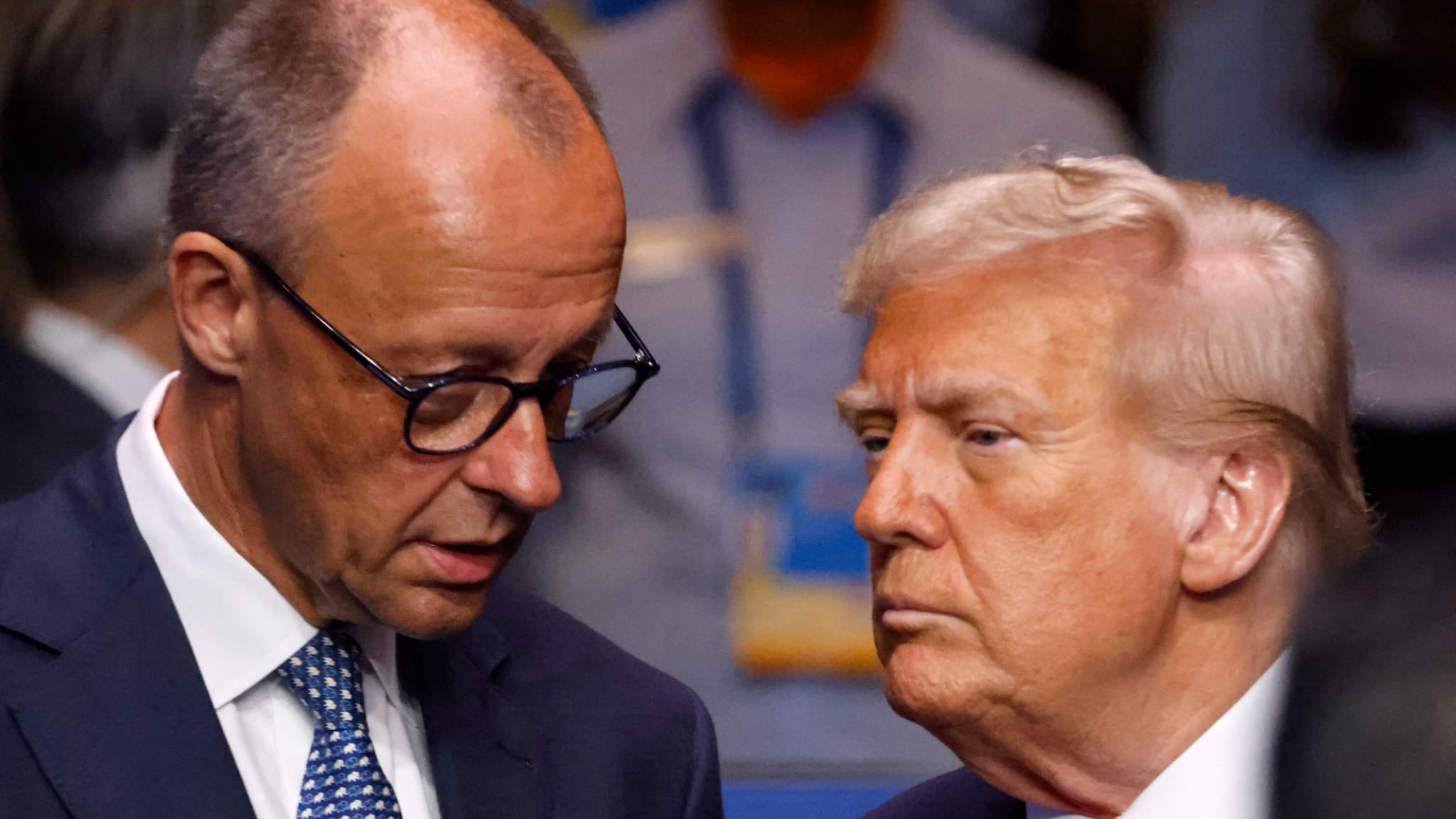
Trump Lashes Out at German Chancellor Merz Over Iran Negotiation Criticism
The diplomatic rift between the United States and Germany widened Tuesday after President Donald Trump publicly rebuked German Chancellor Friedrich Merz, accusing him of not understanding the complexities of U.S. Negotiations with Iran. The sharp exchange underscores growing transatlantic tensions over how to handle Tehran’s influence in the Middle East, particularly as indirect talks between Washington and Tehran have stalled in recent weeks.
Trump’s criticism came in response to remarks Merz made earlier this week, where the German leader suggested the U.S. Was being “humiliated” by Iran’s leadership in ongoing negotiations. Speaking to students in Marsberg, Germany, on April 27, Merz questioned the Trump administration’s strategy, stating, “The Iranians are obviously very skilled at negotiating, or rather, very skillful at not negotiating, letting the Americans travel to Islamabad and then leave again without any result.”
The German chancellor’s comments referred to two recent rounds of indirect talks between U.S. And Iranian delegations in Islamabad, Pakistan. The first session, led by U.S. Vice President JD Vance two weeks ago, ended without progress. A second planned meeting was abruptly canceled by the Trump administration two days ago, further complicating efforts to de-escalate tensions in the region.
German Chancellor Merz: It is quite obvious that the Americans have absolutely no coherent strategy whatsoever. And the fundamental problem with these kinds of conflicts is always the same: it is not enough to simply secure yourself in—you must also figure out how to get yourself out.
— MeidasTouch (@MeidasTouch) April 27, 2026
Merz’s assessment directly contradicted Trump’s portrayal of the negotiations. In an interview with Fox News on April 26, the U.S. President insisted, “We have all the cards,” adding that Iran would necessitate to initiate contact if it wanted to resume talks. “If Tehran wanted to talk, they can come to us, or they can call us,” Trump said.
The German chancellor, however, framed the situation differently. “An entire nation is being humiliated by the Iranian leadership, especially by these so-called Revolutionary Guards,” Merz told students. His remarks reflect broader European frustration with the Trump administration’s approach to Iran, particularly after the U.S. And Israel launched a series of airstrikes against Iranian targets in early March without consulting key NATO allies.
While Merz initially appeared supportive of Trump’s stance during a White House visit last month—telling reporters, “We are on the same page in terms of getting this terrible regime in Iran away”—his tone has since shifted. In a recent interview, he admitted that Germany and other European leaders were not consulted before the initial military strikes. “If I had known that this would go on for five or six weeks and keep getting worse, I would have made my point to him even more forcefully,” Merz said.
The diplomatic fallout comes as Iran has position forward a new proposal for a ceasefire, focusing on reopening the Strait of Hormuz—a critical waterway for global oil shipments—while deferring discussions on nuclear weapons, missile programs, and sanctions to a later date. Regional officials confirmed the offer on Monday, though the U.S. Has not publicly responded.
Trump’s response to Merz’s criticism was swift, and personal. In a social media post early Tuesday, the president dismissed the German chancellor’s remarks, writing, “Friedrich Merz doesn’t know what he’s talking about when it comes to Iran. Germany should focus on its own problems instead of lecturing the U.S.” The post escalated what had been a private disagreement into a public spat, raising concerns about further strain on U.S.-European relations at a time when NATO unity is already under pressure.
The dispute highlights the broader challenges facing Western allies as they navigate Iran’s regional ambitions. While the U.S. Has taken a more confrontational stance, European leaders like Merz have urged a more measured approach, warning that military action alone may not resolve the underlying tensions. Germany’s defense minister, Boris Pistorius, reinforced this position last week, stating that Berlin would not send naval vessels to the region in support of U.S. Operations.
For now, the stalled negotiations and public recriminations suggest that any breakthrough in U.S.-Iran relations remains elusive. With both sides digging in, the risk of further miscalculation—and deeper transatlantic divisions—appears to be growing.
