
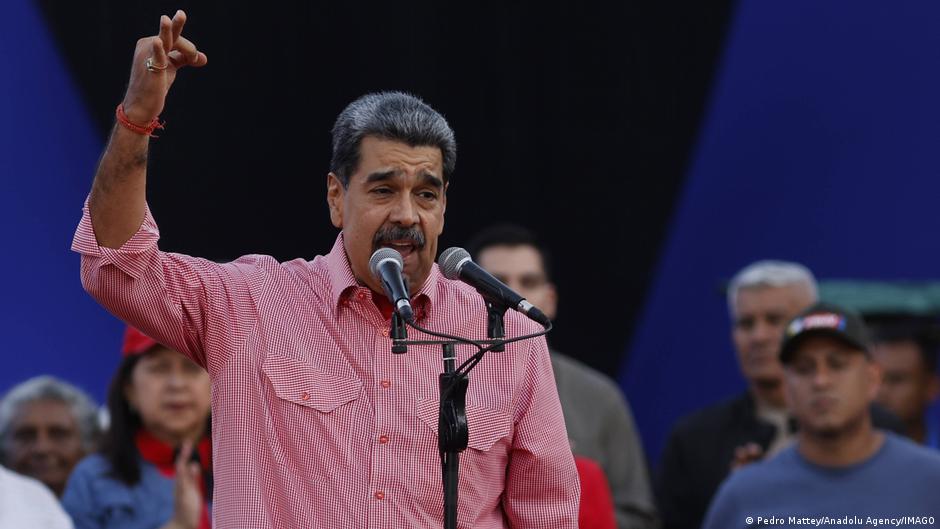
The Trump administration has authorized covert action against Venezuela, potentially including military options, according to a new report, signaling a notable escalation in U.S. policy toward the embattled South American nation. Thes actions come amid a prolonged political and economic crisis in Venezuela, and follow failed negotiations between the White House and representatives of President Nicolás MaduroS government regarding a potential transition of power [[1]], [[2]], [[3]]. While the administration publicly frames these efforts as a counter-narcotics operation, analysts suggest a broader effort to destabilize the Maduro regime is underway.
The Trump administration has authorized covert action against Venezuela, including potential military operations, according to a new report in The New York Times. The move signals an escalation of U.S. pressure on the Maduro government amid ongoing political and economic turmoil in the South American nation.
While publicly focusing on disrupting drug trafficking, U.S. naval deployments in the Caribbean and Pacific have conducted at least 21 operations against vessels suspected of involvement in the drug trade, destroying 22 boats and resulting in an estimated 80 or more fatalities. However, many analysts believe these operations are a veiled attempt to undermine President Nicolás Maduro’s regime.
The New York Times reports that officials within the Trump administration have been engaged in secret negotiations with representatives of Maduro’s government. During these talks, Maduro reportedly offered a two-year transition period that would culminate in his resignation. However, the White House deemed the proposed timeline unacceptable.
Covert Operations Authorized
According to sources familiar with the discussions, Maduro’s government also indicated a willingness to grant U.S. energy companies access to Venezuela’s vast oil reserves as part of a potential agreement.
Beyond the negotiations, President Trump has reportedly given the green light to CIA plans for operations designed to create conditions for future action, though the specific nature of those operations remains unclear. The move underscores a willingness to explore options beyond direct military intervention.
Future Actions Remain Uncertain
Last week, Trump met with top Pentagon officials to discuss options for continuing operations led by the U.S. Southern Command near Venezuelan waters. While the future course of action remains uncertain, The New York Times suggests the administration may prioritize covert strategies, including psychological warfare, cyberattacks, and information operations, over a full-scale military conflict.
Officials familiar with the matter say the CIA has identified several facilities allegedly linked to drug trafficking that could become targets under a presidential order. The case highlights the administration’s continued focus on disrupting illicit activities as a justification for its actions in the region.
ms (nyt/efe)
