
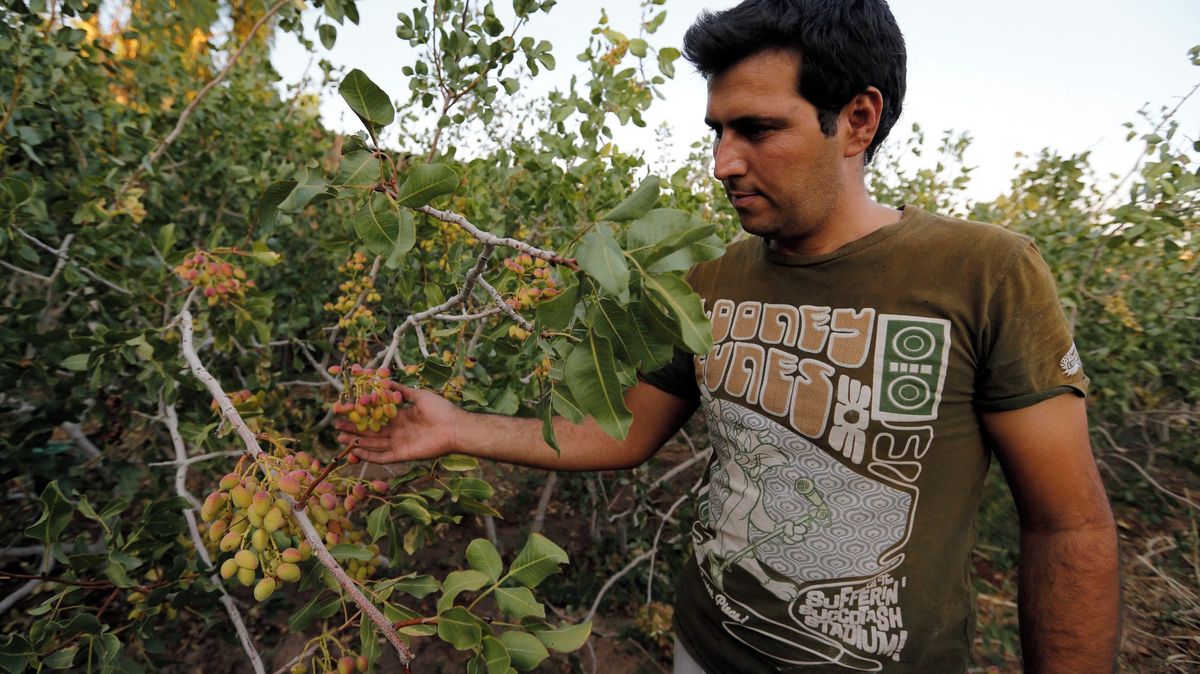
Escalating tensions in the Middle East have worsened a global shortage of pistachios, with Iran’s exports disrupted by conflict and blockades affecting key shipping routes, according to recent reports.
The Financial Times noted that Iran accounts for roughly one-fifth of global pistachio production and, depending on the year, contributes between 25 and 30 percent of world exports. Reference prices in the U.S. Market rose to $4.57 per pound in March — about 95 Czech koruna — the highest level since May 2018, Bloomberg reported. European markets have seen even steeper increases due to stricter import regulations, higher demand for premium quality and limited domestic production in southern Europe.
Beyond geopolitical strain, surging demand fueled by the worldwide popularity of Dubai-style chocolate has intensified pressure on supplies. Industry experts say the confectionery trend has driven record consumption in recent years, boosting both prices and the volume of pistachios being imported.
Export disruptions have compounded existing challenges. Before the recent escalation, shipments from Iran were already hampered by sanctions and domestic issues, including internet blackouts that hindered communication with suppliers. Behnam Heydaripour, head of the UK-based Borna Foods, told the Financial Times that reaching Iranian partners has become extremely difficult.
The conflict has further disrupted the primary export route through the port of Bandar Abbas in the Strait of Hormuz. Whereas overland transport continues, it involves higher costs and delays. Behrúz Agah, a member of Iran’s Pistachio Producers Association, explained that alternative routes — such as shipping via Turkey’s Mersin port and the Suez Canal to reach Indian markets — are significantly more expensive and time-consuming.
Analysts warn that the combination of restricted supply and rising demand could lead to broader market impacts, including price increases for consumer goods and potential shortages in retail channels.
