
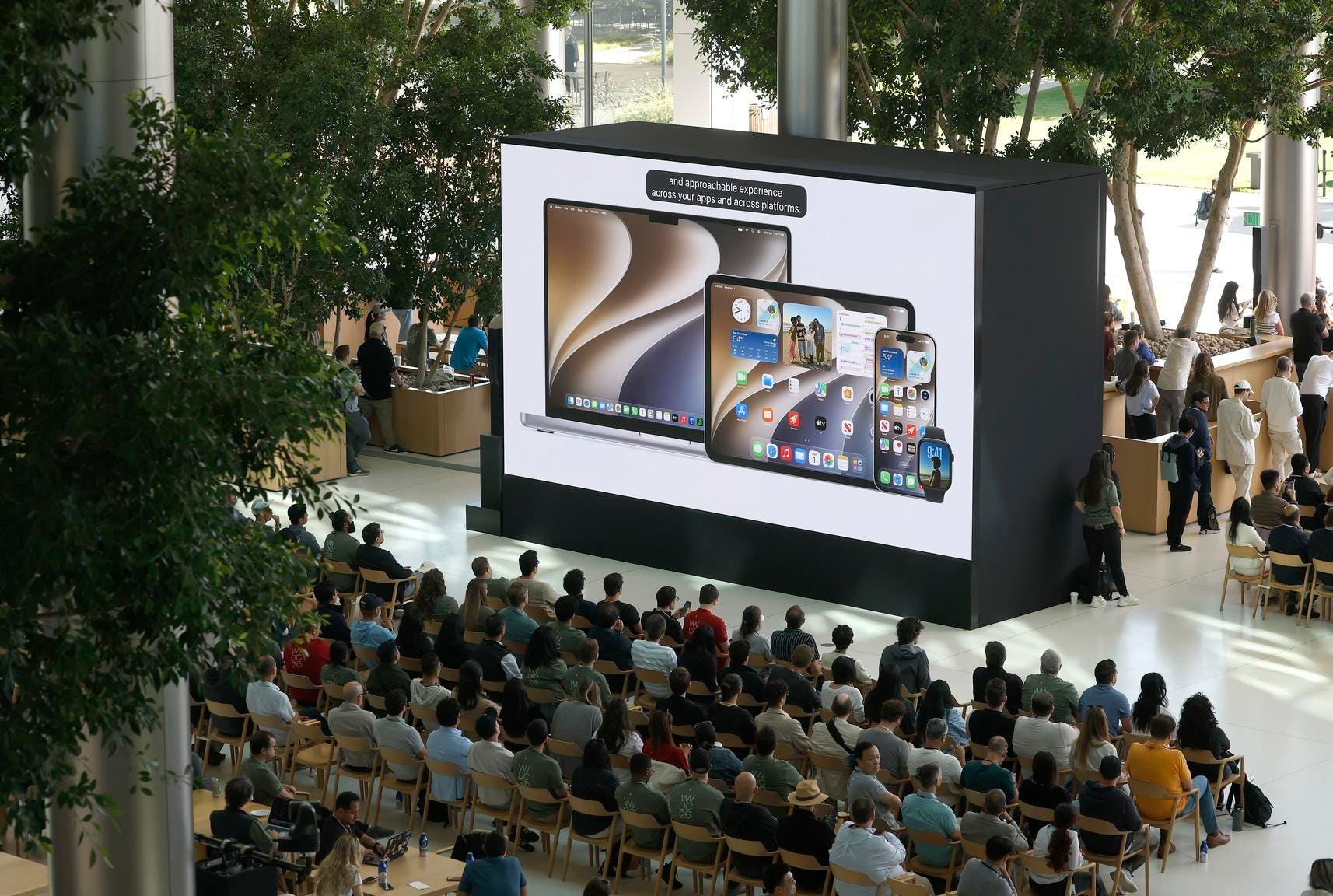
Apple is set to unveil the iPhone 18 Pro lineup in September 2026, with expected price hikes tied to new AI services and design changes, according to multiple reports. The device’s rollout faces regulatory hurdles in the EU, while iOS 27 promises major Siri upgrades.
iPhone 18 Pro Cost and AI Strategy
The iPhone 18 Pro’s pricing strategy is drawing scrutiny, with analysts predicting a $15 monthly fee for full access to Apple Intelligence features. This cost, if implemented, would be bundled into Apple One, obscuring the true expense of AI tools like Siri. “It’s likely this will be rolled into Apple One, obscuring the true cost of Apple Intelligence behind a trial period and the sticky subscriptions of Apple Music and Apple TV,” a Forbes contributor noted. This aligns with Apple’s broader move to monetize AI through recurring services, a shift that could reshape consumer spending on iOS devices.
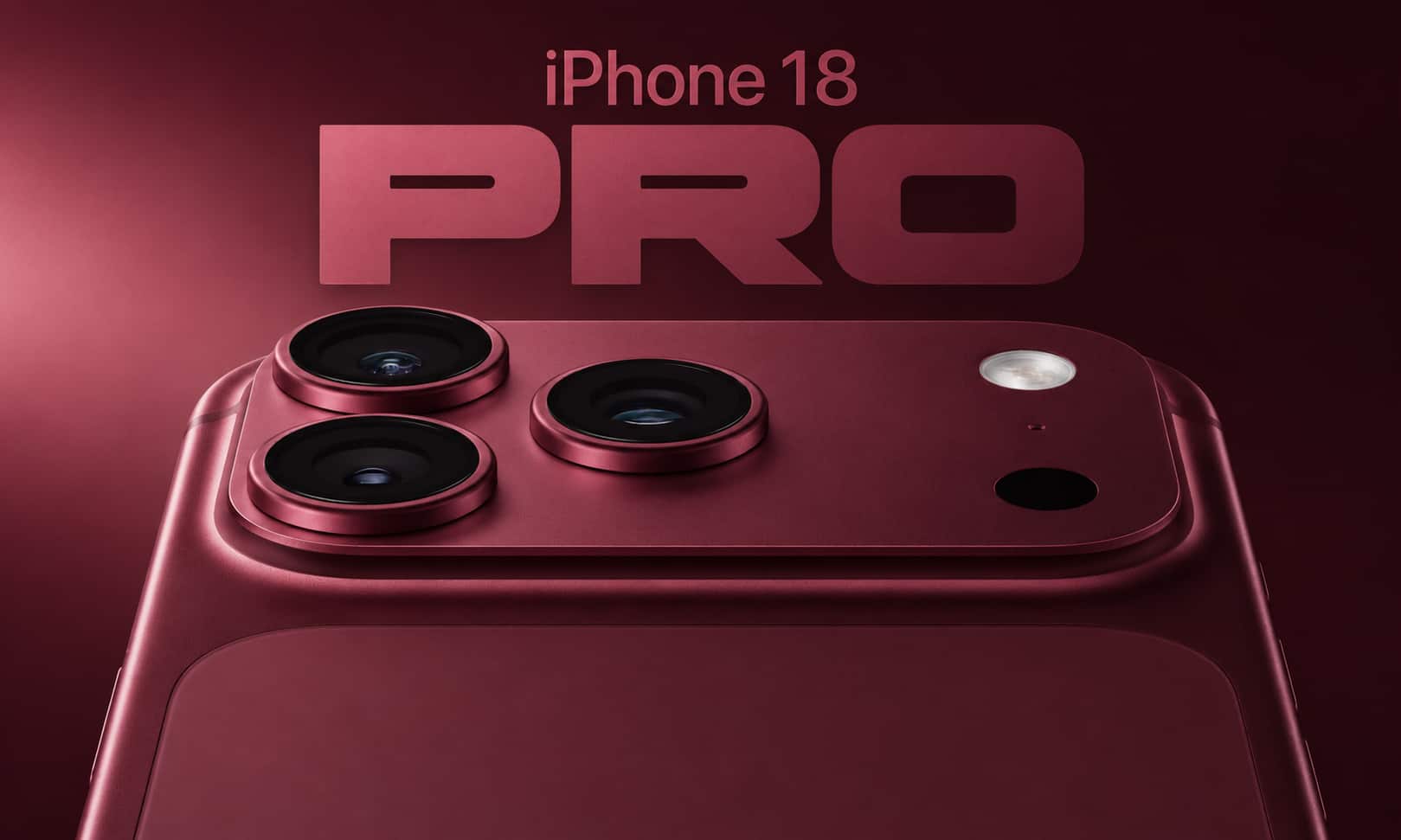
The company’s decision to avoid rolling out Siri AI in the EU highlights regulatory tensions. “The decision not to roll out Siri AI in the EU is Apple’s and Apple’s only,” a source confirmed. This contrasts with the iPhone 18 Pro’s expected launch in September 2026, where users in other regions will gain access to context-aware AI features via iOS 27. The discrepancy underscores Apple’s balancing act between innovation and compliance, a challenge that could influence future product rollouts.
iPhone Ultra Design and Color Options
Apple’s first foldable, the iPhone 18 Ultra, is rumored to feature a “Dark Cherry” finish, a bold departure from the black-only trend of earlier models. “Black versions of Apple devices are de rigueur, so to omit one for the initial folding iPhone would be a surprise,” a Forbes contributor wrote. This choice would make the foldable the first iPhone since 2007 to lack a black variant, a design decision that could signal a shift toward premium color options. The device is also expected to have a smaller Dynamic Island, refining the display’s aesthetics while maintaining the Pro line’s signature features.
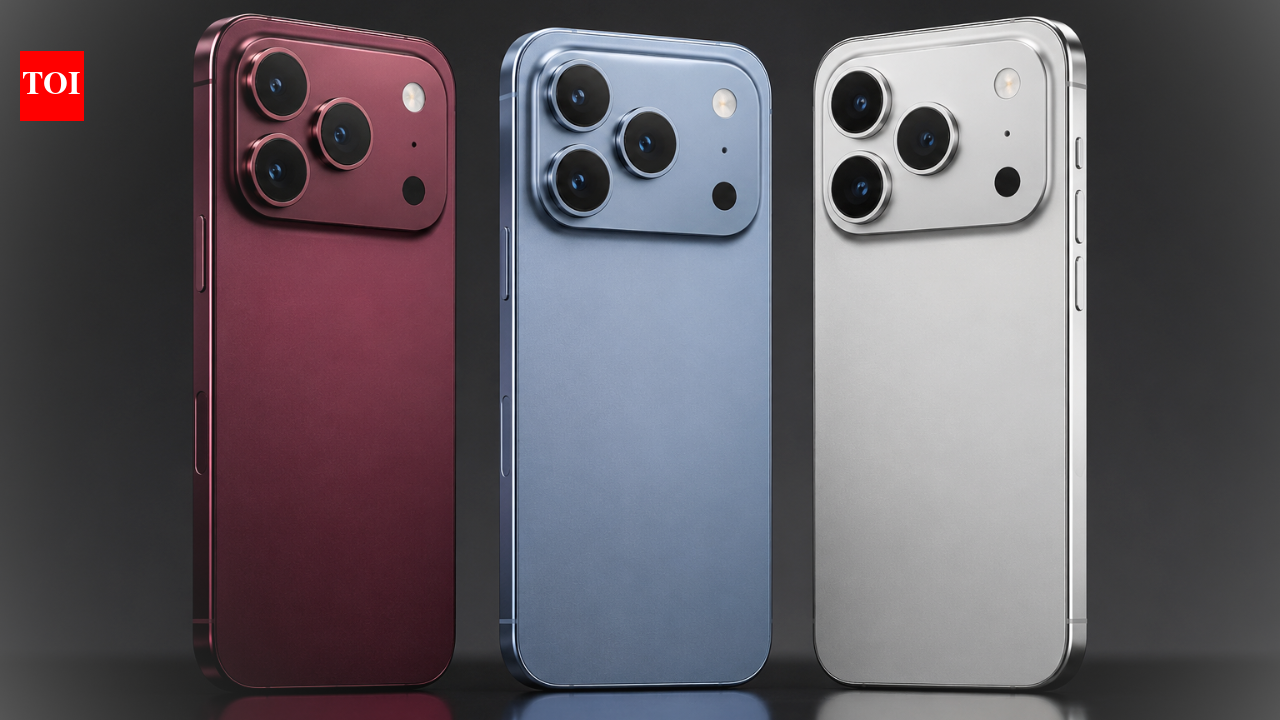
The Times of India reported that the iPhone 18 Pro’s design will focus on internal upgrades rather than a radical overhaul. A variable-aperture camera system and a 2nm A20 chip are among the expected hardware enhancements. These improvements aim to bolster low-light photography and processing power, aligning with Apple’s history of incremental yet impactful hardware iterations. The device’s 6.3-inch OLED display, with a 120Hz ProMotion refresh rate, is also slated for a “cleaner front design,” though a fully under-display Face ID system remains unlikely.
iOS 27 and Siri AI Integration
iOS 27, launching with the iPhone 18 series, represents a major overhaul for Siri. The updated assistant will leverage Apple Intelligence to deliver “natural conversations and richer responses,” according to Moneycontrol. Features like cross-device chat history, app actions, and improved dictation will be central to the update. “Siri AI combines personal context, onscreen awareness, and web knowledge to deliver more natural conversations,” a source explained. This shift positions Siri as a more proactive tool, capable of managing tasks like organizing vacation photos or following up on emails.
For more on this story, see Apple Confirms No iPhone 18 Pro Max Plans-Rumored $1,500 Price Unverified.
However, the most advanced Siri AI features will be restricted to newer hardware. “Apple Intelligence, including Siri AI, Clean Up and Live Translation, will remain locked to the iPhone 15 Pro and newer models,” a Moneycontrol report stated. The iPhone 18 series is expected to support the full suite of capabilities out of the box, ensuring a seamless user experience. Public beta testing for iOS 27 is set to begin, with developers urged to prioritize devices with personal data to test context-aware features.
MacBook Neo and Annual Update Cycle
Apple’s MacBook Neo, powered by binned A18 Pro chipsets, is poised to adopt an annual update cycle akin to smartphones. “The MacBook Neo will be upgraded on an annual cycle more akin to a smartphone than a MacBook,” a Forbes contributor wrote. This strategy leverages iPhone Pro components to maintain performance parity, though it raises questions about long-term reliability. The Neo’s reliance on “binned” chips—those rejected for mobile use—highlights Apple’s resourceful approach to hardware development.

While the MacBook Neo’s design remains largely unchanged, its annual updates could disrupt the traditional laptop refresh model. This shift reflects broader industry trends toward faster iteration, driven by advancements in chip manufacturing. However, critics argue that frequent updates may strain user budgets, particularly for those reliant on older models for critical tasks.
Market Reactions and Future Outlook
Analysts are divided on the iPhone 18 Pro’s potential impact. While the $999–$1,299 price range aligns with Apple’s premium positioning, the added AI costs could deter budget-conscious buyers. “The lifetime cost is going to rise,” a Forbes writer warned, emphasizing the need for transparency in Apple’s pricing strategy. Meanwhile, the EU’s restrictions on Siri AI may accelerate the development of alternative solutions, potentially affecting global market dynamics.
Looking ahead, Apple’s focus on AI integration and hardware refinement will shape its competitive edge. The iPhone 18 Pro’s September 2026 launch, paired with iOS 27, signals a pivotal moment for the company. As regulators and consumers navigate these changes, Apple’s ability to balance innovation with accessibility will determine its success in the evolving tech landscape.
Forbes | The Times of India | <a The iPhone 18 Pro's September 2026 launch, paired with iOS 27, signals a pivotal moment for the company as regulators and consumers navigate these changes, and Apple's ability to balance innovation with accessibility will determine its success.
Find more reporting in our Tech section.
