

The World Health Organization (WHO) declared an international health emergency on May 16, 2026, over an Ebola outbreak in the Democratic Republic of the Congo (DRC), driven by the Bundibugyo variant with no available vaccine, according to a WHO statement.
WHO’s Declaration and Context
The World Health Organization (WHO) escalated its alert level to the second-highest tier—public health emergency of international concern (PHEIC)—on May 16, 2026, citing a surge in Ebola cases in the DRC’s Ituri province. The declaration, announced by WHO Director-General Tedros Adhanom Ghebreyesus, marked the agency’s first PHEIC since 2024. The outbreak, caused by the Bundibugyo variant, has no existing vaccine, complicating containment efforts. The DRC previously faced a smaller Ebola outbreak between August and December 2025, which resulted in at least 34 deaths.
“The virus constitutes a public health emergency of international concern (PHEIC), but does not meet the criteria for a pandemic emergency,” said Tedros Adhanom Ghebreyesus, WHO Director-General.
Tedros Adhanom Ghebreyesus, WHO Director-General
The DRC’s health ministry and the Africa Centres for Disease Control and Prevention (Africa CDC) reported 8 confirmed cases, 246 suspected cases, and 80 suspected deaths in Ituri province as of May 16. Additional cases were noted in Kinshasa and Uganda, with one death in Kampala linked to travel from Ituri. The Africa CDC recorded 88 probable deaths among 336 suspected cases, though figures remain provisional.
Outbreak Details and Challenges
The Bundibugyo variant, first identified in Uganda in 2007, differs from the more commonly encountered Zaire strain, which has been targeted by recent vaccines. Unlike Zaire, Bundibugyo lacks a globally approved vaccine, leaving populations vulnerable. The DRC’s Ituri province, a conflict-prone region, faces additional challenges including limited healthcare infrastructure, community distrust, and movement of people across borders. The WHO noted that the variant’s high fatality rate—estimated at 50-60%—heightens risks for unvaccinated populations.
Health authorities have deployed mobile clinics and contact-tracing teams, but logistical hurdles persist. The DRC’s 2025 Ebola response, which saw 34 deaths, was managed through localized containment, but the current outbreak’s spread to urban centers like Kinshasa and cross-border transmission to Uganda complicates containment. The Africa CDC emphasized the need for “immediate international support” to prevent further escalation.
International Response and Concerns
The WHO’s PHEIC declaration triggers coordinated international action, including resource sharing, surveillance enhancements, and travel advisories. However, the agency clarified that the outbreak does not meet the threshold for a pandemic emergency, distinguishing it from the 2014-2016 West Africa Ebola crisis. The DRC’s health system, already strained by ongoing conflicts and other diseases, faces pressure to scale up efforts. The United Nations has called for $40 million in emergency funding, though contributions remain pending.
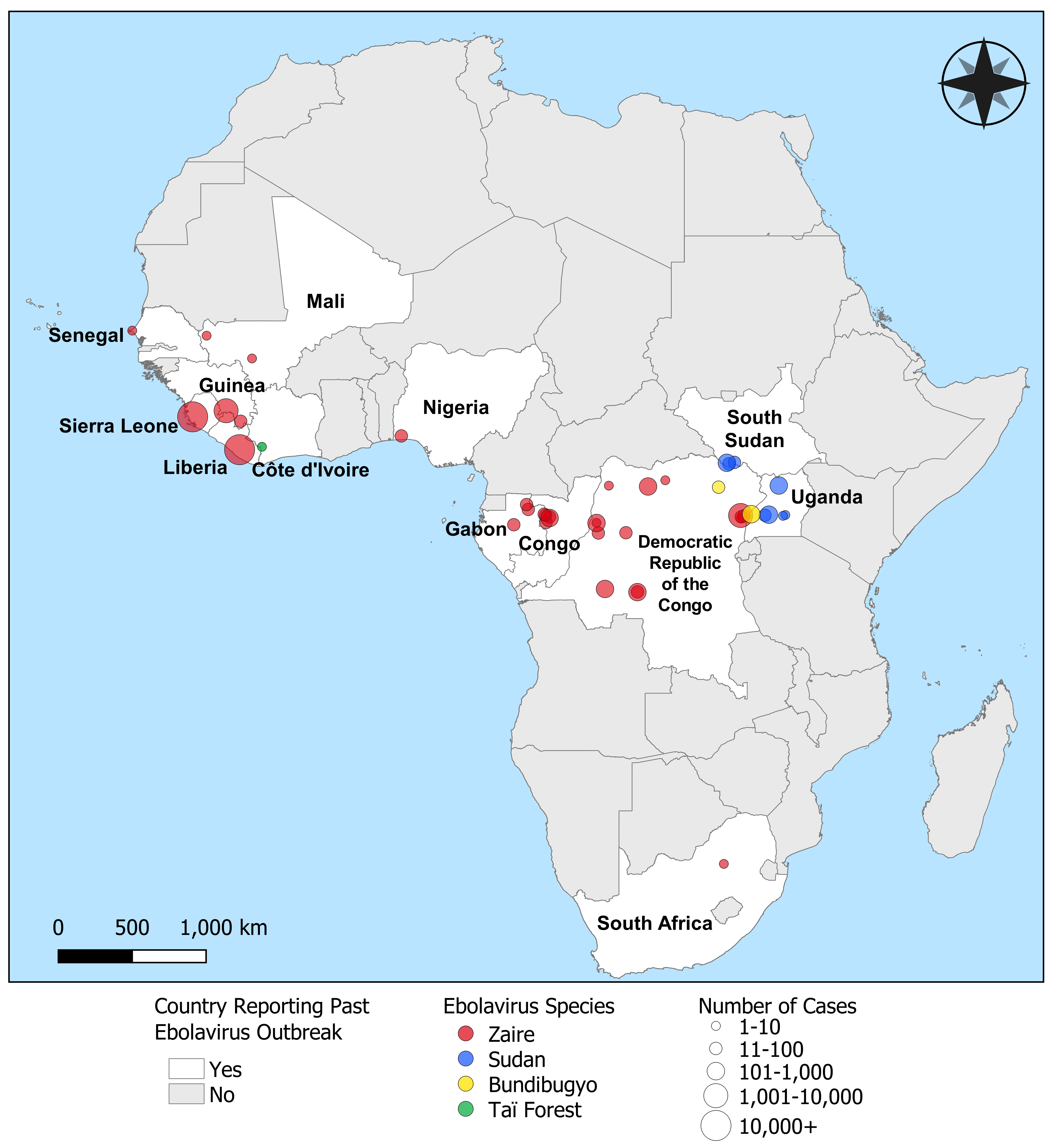
Regional partners, including the African Union and neighboring states, are monitoring the situation. Uganda, which reported a single death linked to the DRC outbreak, has intensified border screenings. Public health experts warn that the Bundibugyo variant’s transmissibility and lack of vaccine coverage could lead to prolonged outbreaks if not addressed. The WHO reiterated its commitment to supporting the DRC “with all available tools,” including research into experimental treatments.
What Comes Next
The WHO’s PHEIC designation will likely accelerate global coordination, but the absence of a vaccine for the Bundibugyo strain remains a critical gap. Surveillance efforts will focus on identifying new cases, isolating affected communities, and preventing cross-border spread. The DRC’s government has urged citizens to report symptoms promptly and avoid travel to high-risk areas. As of May 17, 2026, the situation remains fluid, with the WHO expected to provide updates on containment progress and vaccine development timelines.
