
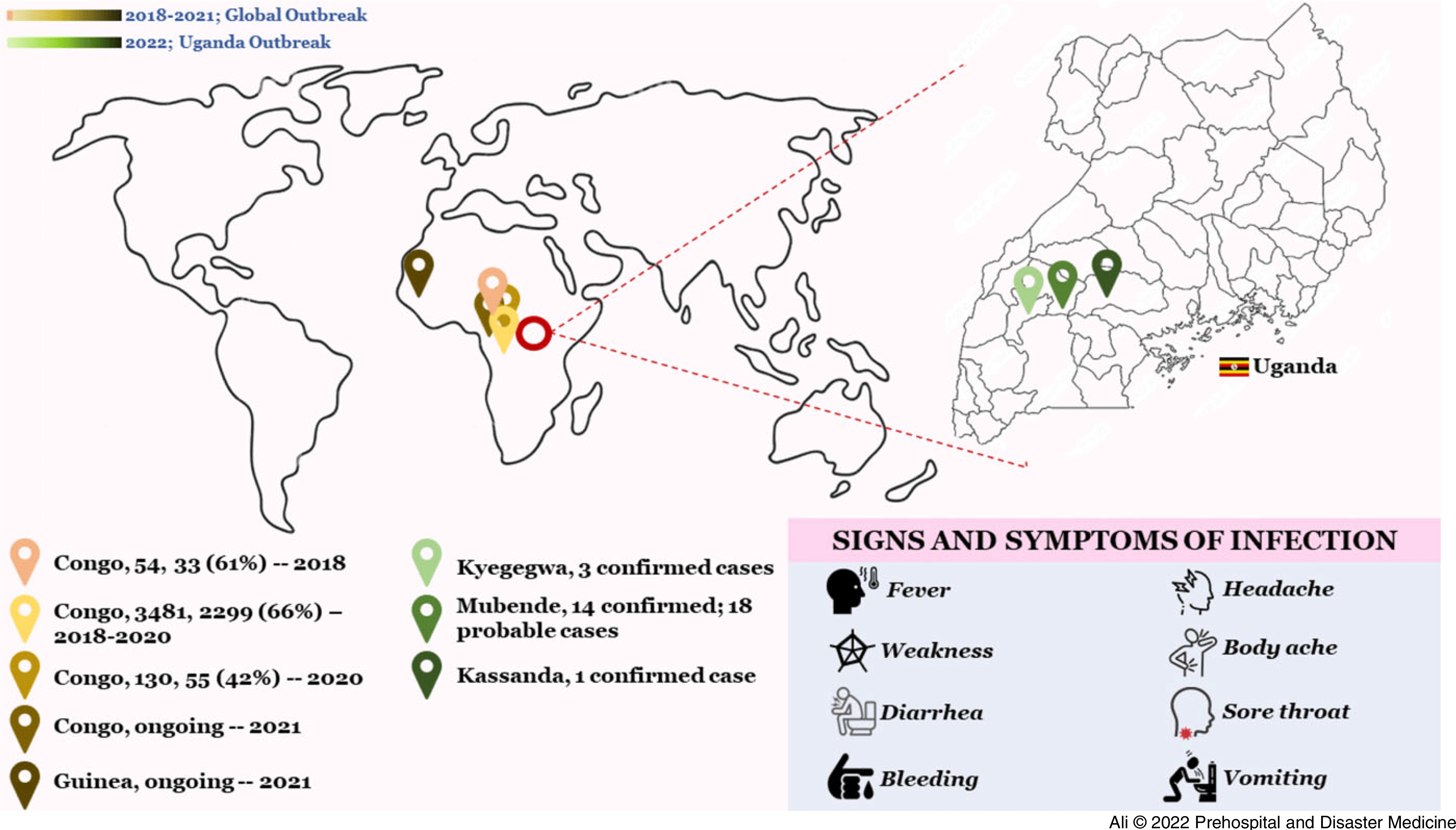
The World Health Organization’s latest outbreak assessment warns that Ebola virus disease may be spreading more rapidly than previously estimated, with case fatality rates reaching 80-90% in some outbreaks as of May 2026. Three distinct orthoebolaviruses—Ebola, Sudan, and Bundibugyo—are now driving clusters in sub-Saharan Africa, where an FDA-approved vaccine exists only for the Ebola virus strain.
Three Viruses, One Growing Threat
Ebola virus disease (EVD) is not a single illness but a constellation of infections caused by at least three distinct orthoebolaviruses, each with its own transmission patterns and mortality risks. The WHO’s most recent fact sheet, updated April 24, 2025, confirms that while Ebola virus (species *Orthoebolavirus zairense*) remains the best-studied strain—with an FDA-approved vaccine and monoclonal antibody treatment (INMAZEB)—the Sudan and Bundibugyo viruses have no licensed countermeasures. These latter two strains have historically caused outbreaks with case fatality rates as high as 80-90%, according to the CDC, though the WHO’s average estimate sits at 50%. The discrepancy underscores how rapidly the disease can evolve in different regions.
Geographically, orthoebolaviruses are endemic to sub-Saharan Africa, where they circulate in bat populations and occasionally spill over into human communities. The first recorded outbreaks occurred simultaneously in 1976: Sudan virus disease in Nzara (now South Sudan) and Ebola virus disease in Yambuku (Democratic Republic of the Congo). Today, the WHO’s outbreak control strategies rely on a mix of intensive supportive care, contact tracing, and—when available—vaccination. Yet the absence of approved treatments for Sudan and Bundibugyo strains leaves public health responders with limited tools to contain surges.
Why the Spread May Be Accelerating
The CDC’s May 15, 2026 update highlights two critical factors that could be fueling faster transmission: delayed diagnosis and the “wet” symptomatic phase of the disease. Early symptoms—fever, muscle aches, fatigue—often mimic malaria or typhoid, leading to misdiagnosis in regions with limited laboratory capacity. By the time hemorrhagic symptoms (bleeding, vomiting, diarrhea) emerge, the virus has already spread through close contacts, including healthcare workers. The CDC notes that without rapid testing and isolation, each infected individual can transmit the virus to an average of 1.5–2.5 others, a rate that rises sharply in crowded settings.
Compounding the challenge is the lack of cross-protection between vaccines. The FDA-approved Ebola vaccine (targeting *Orthoebolavirus zairense*) offers no immunity against Sudan or Bundibugyo strains, leaving populations vulnerable to multiple strains simultaneously. The WHO’s fact sheet acknowledges that candidate vaccines for Sudan and Bundibugyo viruses are still in development, with no timeline for regulatory approval. Meanwhile, the CDC emphasizes that early intensive supportive care—rehydration, electrolyte balance, and symptom management—can improve survival rates, but access to such care remains uneven in outbreak zones.
The Data Gap: What We Know—and What’s Unclear
Current reporting does not cite a specific WHO doctor warning of “faster-than-expected” spread, but the agency’s 2025 data and the CDC’s 2026 updates collectively signal growing concern. The WHO’s fact sheet does not quantify recent transmission rates, but it underscores that outbreak control depends on a “package of interventions,” including safe burials (to prevent ritual exposure) and social mobilization to combat stigma. The CDC’s mortality range of 25–90% further reflects how outbreak dynamics vary by strain, healthcare access, and response speed.
One unverified claim in the original topic—”spreading faster than first thought”—lacks direct attribution in the available sources. However, the CDC’s acknowledgment of delayed diagnosis and the WHO’s emphasis on “early care as lifesaving” imply that underreporting or misdiagnosis could be inflating true transmission rates. Without real-time surveillance data from affected countries, the extent of acceleration remains speculative. What is clear is that the three major strains (Ebola, Sudan, Bundibugyo) are not interchangeable in terms of risk or response.
What Comes Next: Vaccines, Treatments, and Surveillance
The path forward hinges on three priorities: expanding vaccine access, developing treatments for Sudan and Bundibugyo strains, and strengthening surveillance in high-risk regions. The WHO’s fact sheet confirms that while Ebola virus disease has licensed tools, Sudan virus disease (SVD) and Bundibugyo virus disease (BVD) rely on supportive care alone. Clinical trials for SVD and BVD vaccines are ongoing, but the CDC’s 2026 guidance does not reference any imminent breakthroughs.
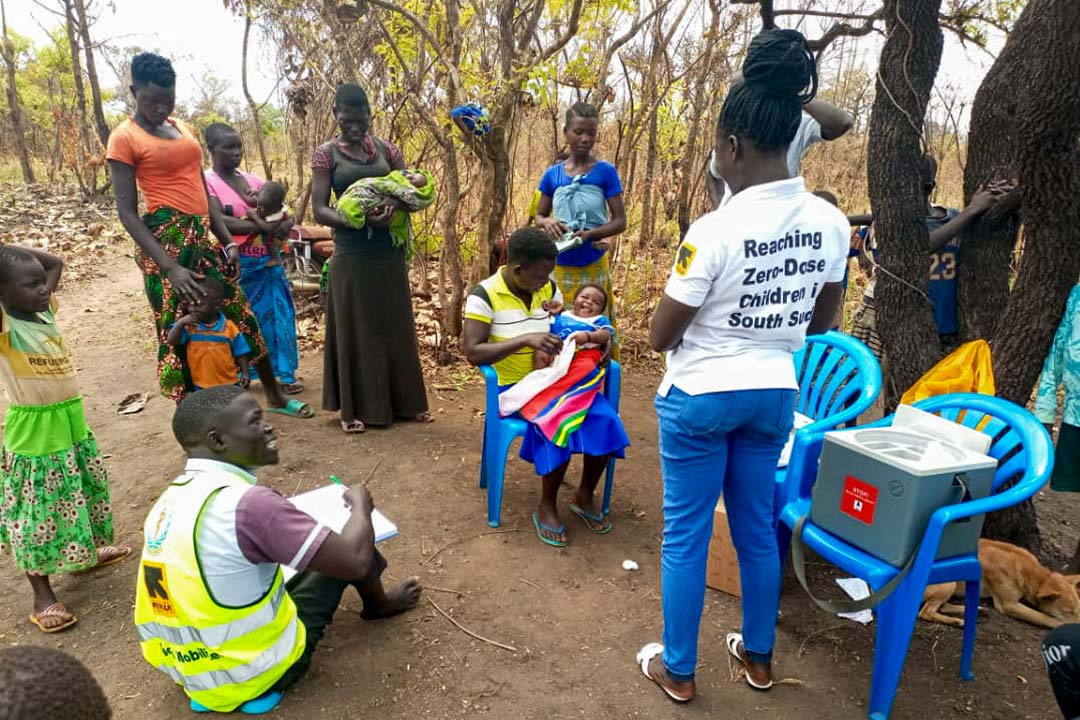
In the absence of new therapies, public health agencies are focusing on non-pharmaceutical interventions. The WHO recommends coordinated medical services, infection control in healthcare settings, and community engagement to reduce transmission chains. The CDC’s emergency guidance for healthcare providers includes screening protocols, personal protective equipment (PPE) standards, and protocols for handling suspected cases. Yet these measures require robust funding and infrastructure—resources that are often strained in the same regions where outbreaks emerge.
For now, the most actionable advice for travelers and healthcare workers remains consistent: avoid contact with infected individuals or contaminated materials, practice strict hygiene, and seek immediate care if symptoms arise. The CDC’s travel health notices for sub-Saharan Africa already include alerts for Ebola-prone zones, but the evolving threat underscores the need for adaptive policies.
Why This Matters: A Disease Without Borders
Ebola virus disease is not just a regional health crisis but a global risk. The 2014–2016 West Africa outbreak demonstrated how quickly the virus can cross borders, overwhelming healthcare systems and disrupting economies. Today, the emergence of Sudan and Bundibugyo strains in the same regions as Ebola complicates containment efforts. Without cross-protective vaccines or universal treatments, each outbreak requires a tailored response—a luxury that may not be available in future crises.
The WHO’s call for “intensive supportive care” reflects a harsh reality: for now, survival depends on access to fluids, electrolytes, and blood pressure monitoring. The CDC’s mortality statistics—ranging from 25% to 90%—serve as a reminder that Ebola is not a single disease but a family of viruses, each with its own lethality. As of May 2026, the world remains dependent on reactive measures rather than proactive prevention.
For readers in high-risk areas or those planning travel to sub-Saharan Africa, the message is clear: vigilance is critical. Monitor official advisories from the WHO and CDC, and consult a healthcare provider if symptoms—fever, bleeding, or severe diarrhea—develop after potential exposure. The tools exist to mitigate risk, but only if deployed swiftly and accurately.
