

As winter approaches and drivers prepare for potentially hazardous road conditions, many assume a set of winter tires is all they need too stay safe. However, a surprising number of motorists are unaware that tyre tread depth – often overlooked – is a critical factor in winter driving safety. A recent exhibition revealed how a simple 50-cent coin can quickly assess tire wear and potentially prevent perilous loss of control on slick surfaces, a check experts say should be performed routinely alongside seasonal tire changes.
Many drivers believe installing winter tires is enough to prepare for the colder months, but a simple 50-cent coin can reveal a common and potentially dangerous oversight.
As temperatures drop, motorists are increasingly visiting tire shops to switch to winter tires – a sensible, and often necessary, precaution. However, many are unaware of a critical detail: simply having winter tires doesn’t guarantee optimal grip, safety, or performance. A tire technician recently demonstrated to a customer how a 50-cent coin can quickly reveal the true condition of their tires.
The customer was confident their tires were in good shape, having been installed only a few seasons prior and appearing to have sufficient tread. Ready to leave the shop, the technician asked the customer to take a closer look at the tire tread. This is where the coin trick comes in – a straightforward yet reliable method for assessing whether tires are still suitable for wet, icy, or snowy conditions.
The 50-Cent Coin Trick and What It Reveals
The technique is simple: insert a 50-cent coin into the tire’s tread grooves. If the silver band around the coin is fully visible, it indicates the tread is dangerously worn. This is a significant concern, as winter tires rely on the depth of their tread to effectively channel away water and snow, maintaining traction.
Many drivers underestimate how much performance winter tires lose before reaching the legal tread depth limit of 1.6 millimeters. Performance begins to decline significantly – particularly on snow and ice – once the tread depth falls below 4 millimeters. In this case, the coin quickly showed the customer’s tires were nearing the end of their useful life, despite appearing adequate at first glance.
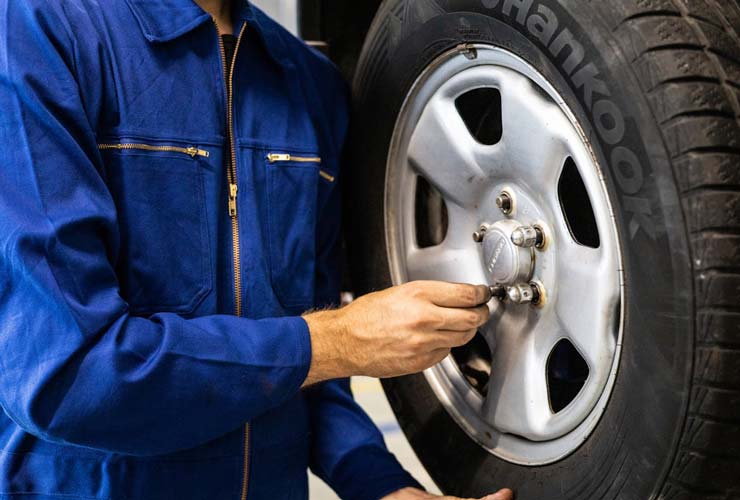
Why Simply Installing Winter Tires Isn’t Enough
The biggest risk is assuming that the “M+S” or “winter” label alone guarantees safety. Tires lose material with each season, and their efficiency gradually decreases, even if they aren’t particularly old. Cold temperatures, road conditions, and vehicle weight accelerate wear, especially with frequent driving.
Regularly checking tread depth is therefore crucial. Worn tires increase braking distances, reduce traction, and increase the risk of hydroplaning. This check takes less than a minute and can be done at home without professional tools. The 50-cent coin becomes the simplest and most effective tool for determining whether it’s safe to drive through the winter months, or if a tire replacement is necessary. This seemingly minor detail can be the difference between a safe journey and a dangerous situation, highlighting the importance of proactive vehicle maintenance.
