
The Essential Guide to Vitamin D: Health Benefits, Optimal Intake, and Top Dietary Sources
Often referred to as the “sunshine vitamin,” Vitamin D plays a systemic role in maintaining human health that extends far beyond simple bone density. From modulating the immune system to influencing mental well-being, this fat-soluble nutrient acts more like a hormone than a traditional vitamin, regulating a vast array of biological functions. Understanding how to maintain optimal levels is critical for long-term wellness and disease prevention.
The Critical Roles of Vitamin D in the Body
Vitamin D is indispensable for several key physiological processes. Its most well-known function is the regulation of calcium and phosphorus absorption. Without sufficient Vitamin D, the body cannot effectively absorb calcium from the diet, which can lead to weakened bones and an increased risk of fractures. This makes the nutrient a cornerstone of skeletal health throughout all stages of life.
Beyond bone health, research indicates that Vitamin D is a powerful modulator of the immune system. It helps the body defend against pathogens and may reduce the frequency of respiratory infections. The nutrient is closely linked to mental health; evidence suggests that Vitamin D supports brain function and may help regulate mood, potentially reducing the risk of depression and anxiety.
Vitamin D is known to help reduce inflammation within the body, which is a key factor in managing various chronic health conditions. By balancing these systemic functions, Vitamin D serves as a fundamental pillar of public health and preventative medicine.
Natural Synthesis and Dietary Acquisition
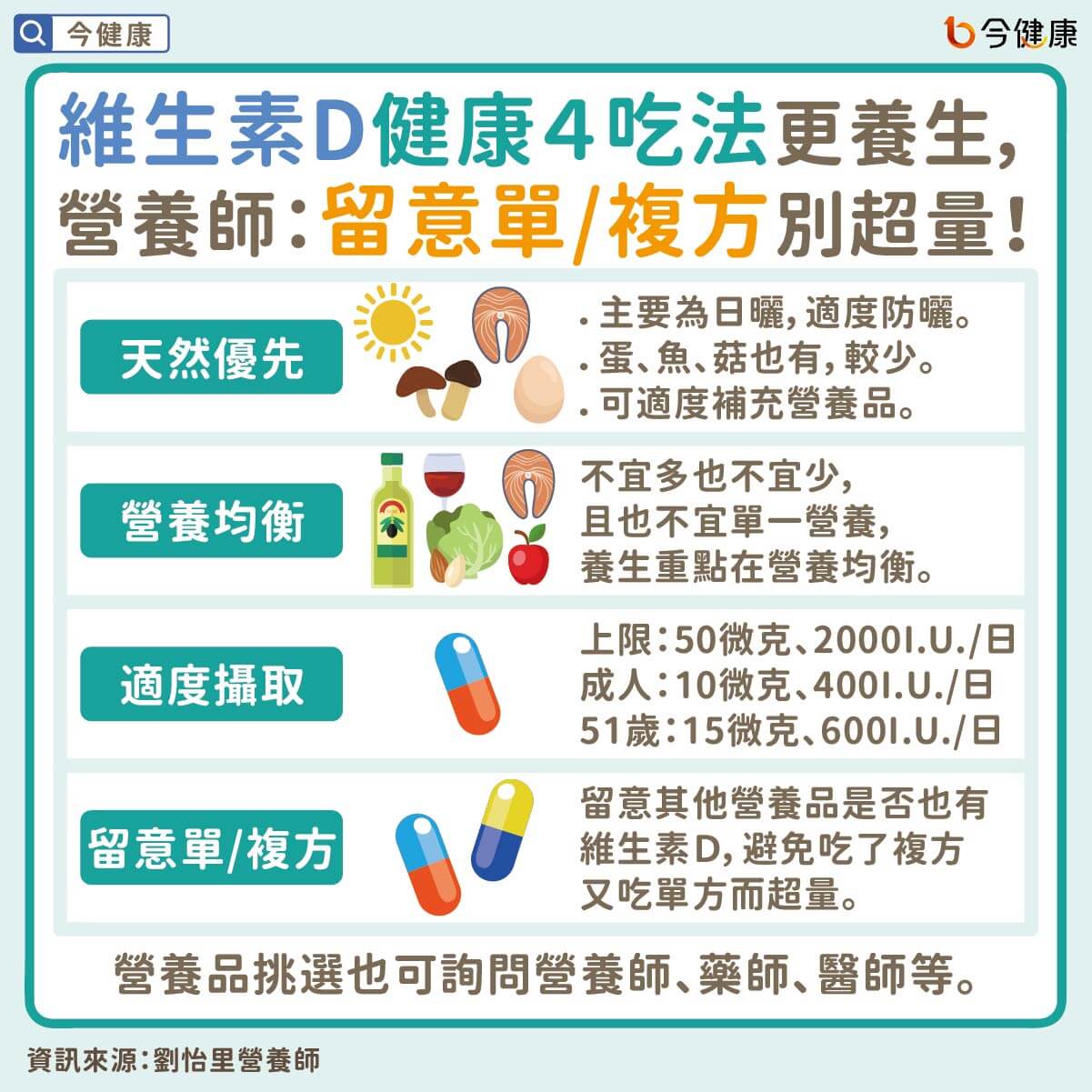
The human body can synthesize Vitamin D naturally when the skin is exposed to ultraviolet B (UVB) rays from sunlight. However, the efficiency of this process varies based on geographic location, time of day, skin pigmentation, and the use of sunscreen. Because environmental factors often limit sun exposure, obtaining Vitamin D through diet and supplementation becomes essential.

While few foods naturally contain high levels of Vitamin D, certain fatty fish and fortified products provide reliable sources to help meet daily requirements.
Top 20 Foods Rich in Vitamin D
To maintain healthy levels, incorporating a variety of nutrient-dense foods is recommended. The following list highlights the top 20 dietary sources of Vitamin D, categorized by food type:
Fatty Fish and Seafood
- Cod liver oil (One of the most concentrated sources)
- Salmon
- Mackerel
- Sardines
- Tuna
- Herring
- Trout
Animal-Based Sources
- Egg yolks
- Beef liver
- Butter
- Cheese
- Whole milk
Plant-Based and Fortified Options
- UV-exposed mushrooms
- Fortified milk
- Fortified soy milk
- Fortified almond milk
- Fortified orange juice
- Fortified cereals
- Fortified tofu
- Fortified yogurt
Managing Intake and Supplementation
Determining the correct amount of Vitamin D depends on individual health needs, age, and existing deficiency levels. While dietary sources and sunlight are the primary drivers of Vitamin D levels, some individuals may require supplements to reach the recommended daily intake, especially during winter months or in regions with limited sunlight.

Because Vitamin D is fat-soluble, It’s stored in the body’s adipose tissue. This means that while deficiency is common, it is also critical to avoid excessive intake without medical supervision to prevent toxicity. Consulting with a healthcare provider to determine the appropriate dosage through blood tests is the most effective way to ensure a safe and balanced approach to supplementation.
The integration of sunlight, a nutrient-dense diet, and professional guidance ensures that the body can leverage the full protective and regenerative benefits of Vitamin D.
