
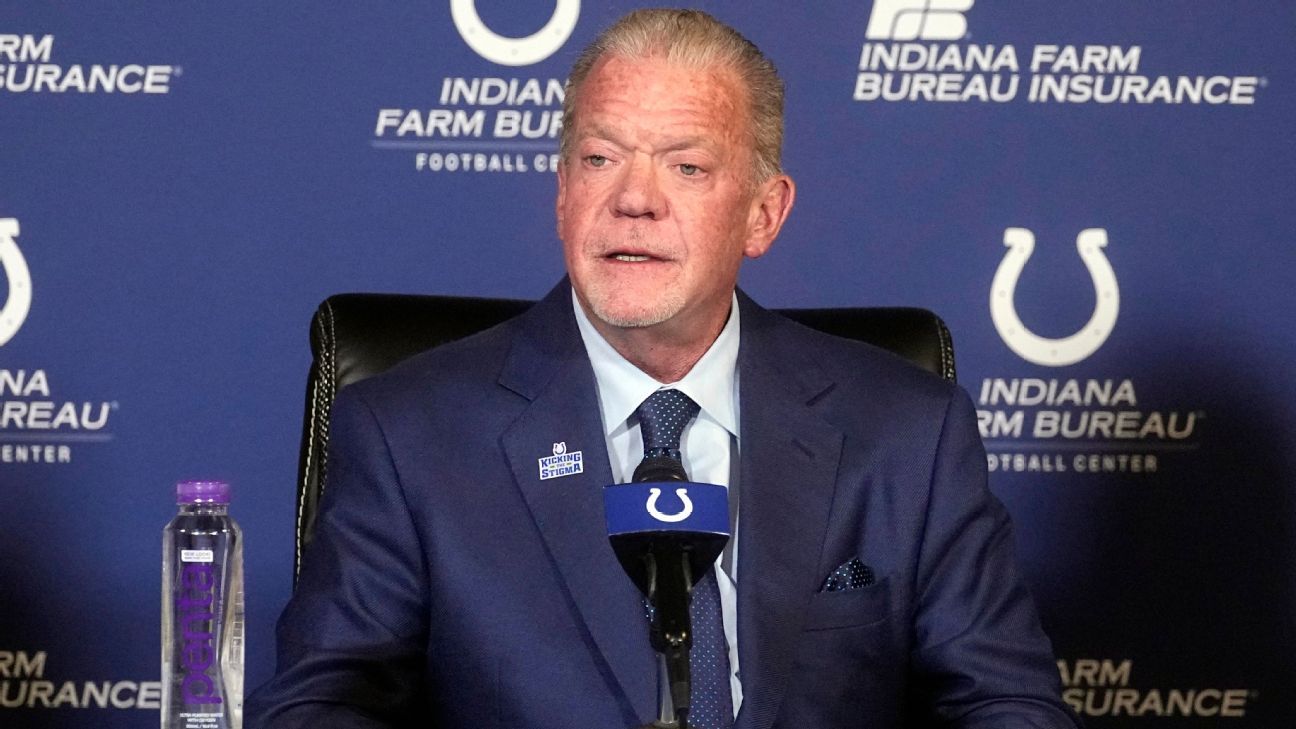
The recent passing of Jim Irsay sparks questions about what’s next for the league. This article examines the evolving landscape of NFL ownership, from family legacies and social duty to the rising importance of financial diversification and technology’s impact.Discover the key trends shaping the future of NFL ownership and gain insights into the leadership needed to succeed in an increasingly complex league.
The changing Face of NFL Ownership: What’s Next?
The recent passing of Indianapolis Colts owner Jim Irsay marks the end of an era. his legacy,marked by both Super Bowl triumphs and personal struggles,offers a captivating lens through which to examine the future of NFL team ownership. As the league evolves, so too will the individuals and families at its helm. This article delves into the potential trends shaping the future of NFL ownership, drawing on insights from Irsay’s life and the broader landscape of professional sports.
Family Legacies and Succession Planning
One of the most important trends is the increasing role of family in team ownership. Irsay’s daughters are poised to take over the colts, a move that reflects a broader pattern in the NFL. Families are increasingly prioritizing succession planning, ensuring that teams remain within the family for generations. This trend is driven by a desire to maintain control, preserve the team’s legacy, and capitalize on the long-term financial benefits of NFL ownership.
Case Study: The rooney family, owners of the Pittsburgh Steelers, have successfully navigated multiple generations of ownership, demonstrating the importance of clear succession plans and family involvement.Their commitment to the team’s values and community engagement has solidified their place in NFL history.
Pro Tip: For families involved in team ownership,establishing a clear governance structure,defining roles and responsibilities,and fostering open interaction are crucial for a smooth transition and long-term success.
The Growing Importance of social Responsibility
Jim Irsay’s commitment to mental health and addiction awareness through the “Kicking the Stigma” campaign highlights another key trend: the growing importance of social responsibility among NFL owners.As public scrutiny of the league intensifies, owners are under increasing pressure to address social issues and give back to their communities. This includes supporting mental health initiatives, promoting diversity and inclusion, and advocating for social justice.
Did you know? The NFL has partnered with various organizations to promote mental health awareness and provide resources for players and fans. This reflects a growing recognition of the importance of mental well-being in the sport.
Example: many teams are actively involved in community outreach programs, supporting local charities, and promoting educational initiatives. This not only benefits the community but also enhances the team’s brand image and strengthens its connection with fans.
Financial Acumen and Diversification
While a passion for football remains essential, future NFL owners will need to possess strong financial acumen and a willingness to diversify their investments. The business of professional sports is becoming increasingly complex, requiring owners to navigate media rights deals, stadium development projects, and evolving digital landscapes. Owners are also exploring opportunities to invest in related businesses, such as sports technology, media companies, and real estate.
Data Point: The value of NFL teams continues to rise, with some franchises now valued in the billions of dollars. This underscores the financial attractiveness of NFL ownership and the importance of sound financial management.
The Impact of Technology and Fan Engagement
Technology is transforming the way fans consume sports, and NFL owners must adapt to these changes. This includes investing in digital platforms, enhancing the in-stadium experience, and leveraging data analytics to improve player performance and fan engagement. Owners are also exploring new ways to connect with fans through social media, virtual reality, and other innovative technologies.
Reader Question: How will the rise of streaming services and digital media impact the future of NFL broadcasting rights and team revenue?
The Role of the Commissioner and League Governance
The NFL commissioner plays a crucial role in shaping the league’s future, and the relationship between the commissioner and team owners is critical. The commissioner acts as a mediator, negotiator, and visionary, working to ensure the league’s long-term success. Owners must collaborate with the commissioner and other league officials to address challenges, such as player safety, labor relations, and competitive balance.
To stay informed about the latest trends in NFL ownership, follow industry publications, attend sports business conferences, and network with professionals in the field. Understanding the evolving landscape is key to making informed decisions and positioning yourself for success.
Frequently Asked Questions
Q: What are the key factors driving the value of NFL teams?
A: Media rights deals, stadium revenue, and brand recognition are major factors.
Q: How vital is community involvement for NFL owners?
A: It’s becoming increasingly important for building a positive brand image and connecting with fans.
Q: What skills are essential for future NFL owners?
A: Financial acumen, leadership, and a passion for the game are crucial.
The future of NFL ownership is dynamic and multifaceted.As the league continues to evolve, the individuals and families at its helm will need to adapt to new challenges and opportunities. By embracing family legacies, prioritizing social responsibility, and leveraging technology, NFL owners can ensure the long-term success of their teams and the league as a whole.
Want to learn more? Explore our other articles on sports business, team management, and the future of the NFL. Subscribe to our newsletter for exclusive insights and updates!
