
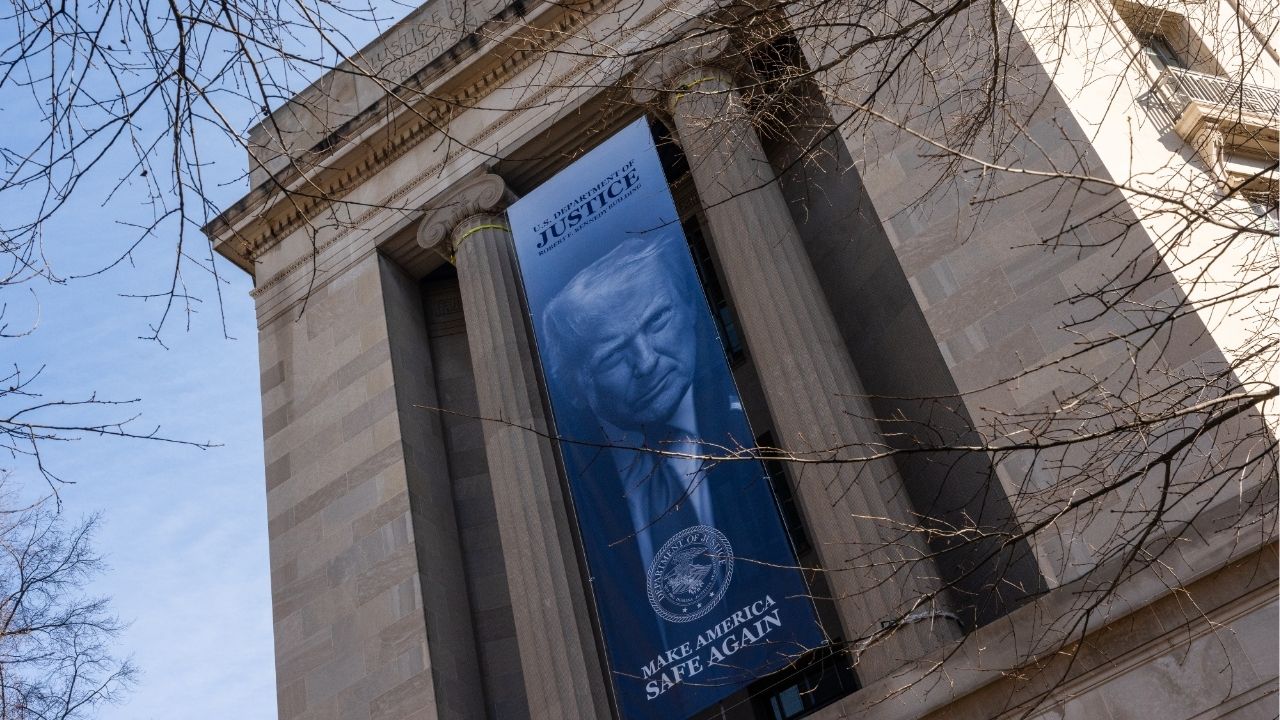
The Justice Department charged 15 individuals on May 21, 2026, with defrauding Minnesota Medicaid and other state social service programs of more than $90 million—the largest autism fraud scheme ever prosecuted by federal authorities.
The crackdown, announced in Minneapolis by top officials including Health and Human Services Secretary Robert F. Kennedy Jr. and CMS Administrator Mehmet Oz, targets two autism clinics—Smart Therapy in Minneapolis and Star Autism in St. Cloud—as the centerpiece of a $46.6 million fraud operation. The charges mark the latest escalation in a broader federal campaign against Medicaid fraud in Minnesota, where fraud has become a political flashpoint under President Donald Trump’s administration.
The $90 Million Scheme: How Autism Services Became a Fraud Pipeline
The indictments reveal a sophisticated operation spanning seven Minnesota Medicaid programs, involving fake diagnoses, kickback schemes, and billing for nonexistent care targeting vulnerable children and disabled adults. Two autism therapy providers—Smart Therapy and Star Autism—are accused of submitting $46.6 million in fraudulent claims, according to court documents obtained by GVWire. The charges come as part of a broader $90 million fraud scheme that federal prosecutors describe as the largest autism-related fraud case in U.S. history.
Assistant Attorney General Colin McDonald, overseeing the Justice Department’s fraud division, called the fraud “shocking” in a statement. “These defendants treated Minnesota-run programs as their personal piggy bank,” he said, emphasizing the scale of the deception. The indictments also allege ties to previous fraud cases involving Minnesota’s Somali community, including the $250 million “Feeding Our Future” meal delivery program scandal, where Aimee Bock—sentenced to over 41 years in prison this week—was dubbed the “mastermind” behind the scheme.
“This was a vortex of fraud and you were its epicenter.”
Political Pressure and Prosecutorial Fallout
The timing of the charges is no accident. President Trump has repeatedly highlighted Minnesota’s fraud problem, citing it as justification for deploying federal agents to the state in early 2026—a move that sparked protests and led to the deaths of two American citizens. The administration’s crackdown has also triggered internal turmoil: several experienced fraud prosecutors in Minnesota’s U.S. attorney’s office resigned in the wake of the immigration enforcement operation, disrupting ongoing investigations.
Vice President JD Vance has taken a leading role in the federal fraud initiative, announcing last week that the government would withhold $1.3 billion in federal payments from California over its failure to combat Medicaid fraud. The Minnesota case now serves as a test of whether Vance’s aggressive approach can yield tangible results—or if it will further alienate communities already skeptical of federal overreach.
Who’s Next? The Broader Fraud Ecosystem in Minnesota
Minnesota’s fraud crisis didn’t begin with autism services. In 2022, federal prosecutors charged dozens of individuals—primarily of Somali ancestry—for stealing hundreds of millions from COVID-era child nutrition programs. The state’s generous social safety net has long been a magnet for fraud, with officials uncovering schemes in housing assistance, disability services, and medical billing. The autism therapy charges suggest the problem has metastasized into specialized care for children with developmental disabilities.
What makes this case distinct is the targeting of autism services, a field that relies heavily on Medicaid reimbursements. Clinics like Smart Therapy and Star Autism operate in a high-stakes environment where billing accuracy is critical—and where fraudulent claims can go undetected for years. The indictments raise questions about whether regulatory oversight has failed or if the schemes were so elaborate that they evaded scrutiny entirely.
What Happens Now? The Path Forward for Prosecutors and Communities
The next 30 days will be critical. Federal prosecutors will need to secure convictions in what promises to be a high-profile trial, given the involvement of high-ranking officials and the political sensitivity of the case. Meanwhile, Minnesota’s Somali community—already under scrutiny—faces renewed scrutiny, with some fearing the charges are part of a broader pattern of targeting minority-led businesses and nonprofits.

For families relying on autism therapy services, the fallout could be significant. If fraudulent providers are shut down, some children may lose access to critical care. The Justice Department’s crackdown risks collateral damage unless alternative providers step in quickly. State officials will also need to address systemic vulnerabilities in Medicaid oversight that allowed these schemes to flourish in the first place.
The bigger question is whether this case signals a turning point—or just another chapter in Minnesota’s fraud saga. With Vice President Vance pushing for nationwide enforcement, other states may find themselves under similar scrutiny. For now, the focus remains on Minnesota, where the stakes couldn’t be higher: millions in stolen funds, families left in limbo, and a political battle over how far the government should go to root out fraud.
One thing is certain: the Justice Department isn’t done. As Colin McDonald put it, “The fraud here in Minnesota is shocking.” And if the past is any indication, the next chapter may be even more explosive.
