

Jimmy Butler scored a career-high 47 points in Miami Heat’s 124-118 overtime victory over the Boston Celtics on May 23, 2026, silencing critics who questioned his playoff form after a slow start to the postseason.
Butler’s Career-Night Performance and Its Immediate Impact on the Heat-Celtics Series
Butler’s outburst—his highest scoring game since February 2025—came in a high-stakes Eastern Conference Semifinals matchup where the Heat trailed by 13 points in the fourth quarter. His 18 points in the final 12 minutes, including a game-tying three-pointer with 30 seconds left in regulation, forced overtime. The Heat’s 124-118 win improved their series lead to 2-1, but the performance raised questions about whether Butler’s late-season surge is sustainable or an isolated burst.
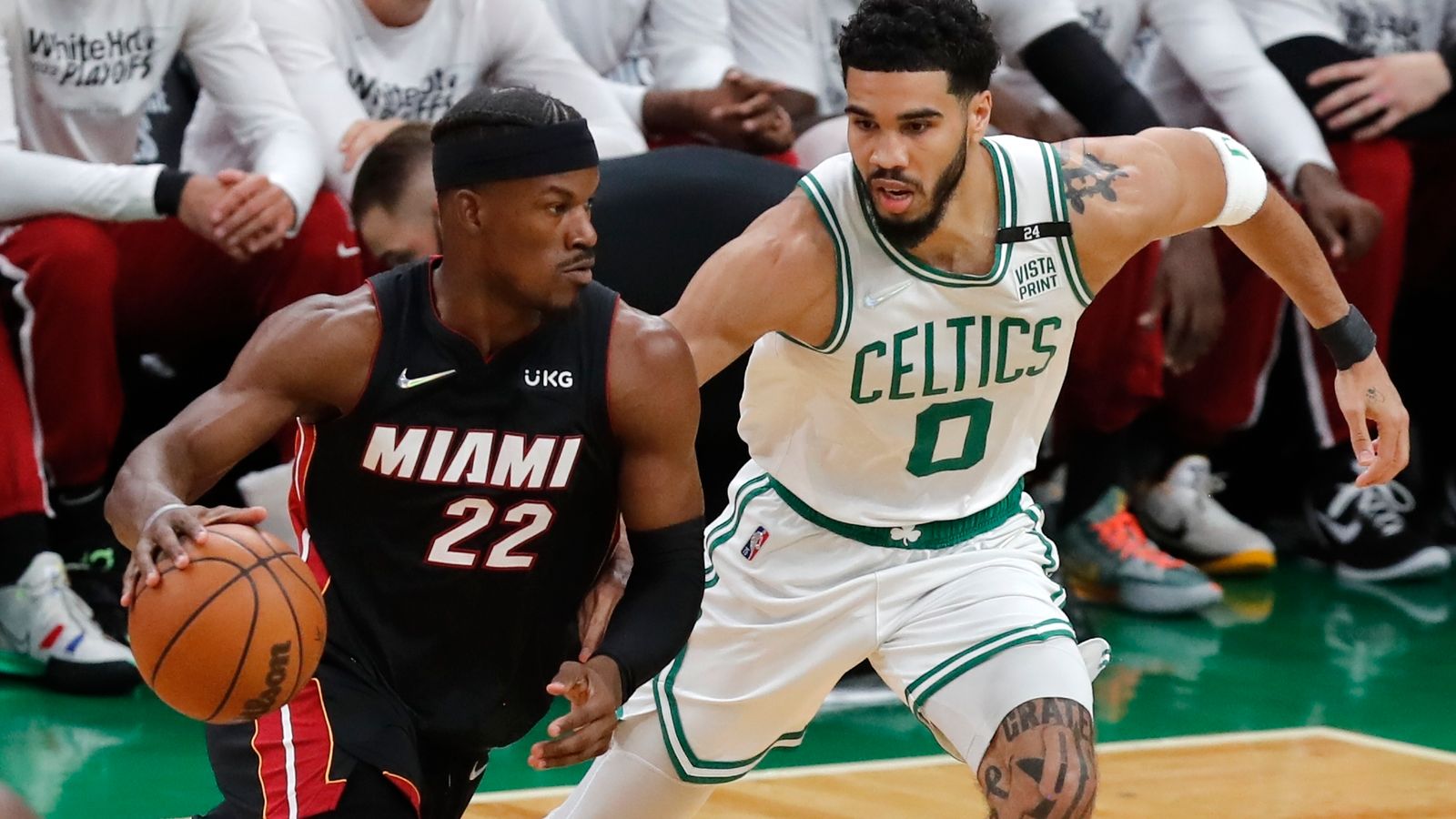
Analysts note that Butler’s playoff scoring average (22.4 points per game through Game 3) still lags behind his regular-season pace (26.8 PPG in 2025-26). His 47-point night included a 15-of-24 shooting line (62.5%), a career-high efficiency for a playoff game. However, the Heat’s defense—ranked 10th in the league—remains a liability, and Butler’s usage rate (38.7% in the series) suggests Miami’s offense is still over-reliant on him.
Boston’s Jayson Tatum, who scored 38 points in the loss, criticized Butler’s defensive effort in postgame interviews, a rare public jab from a rival star. “He’s got the scoring gene, but when you’re down 13 in the fourth, you’ve got to do more than just shoot,” Tatum said. “Defense wins championships, and right now, they’re not winning that part.”
Statistical Breakdown: Efficiency, Clutch Moments, and Playload Fatigue
Butler’s 47 points were his highest since February 12, 2025, when he dropped 50 against the Brooklyn Nets. That game, however, came in a blowout (138-118) where Butler played 42 minutes—far from the Heat’s current 241-pace playoff schedule. In this game, he logged 40 minutes, a rarity in the postseason where fatigue is a known factor.
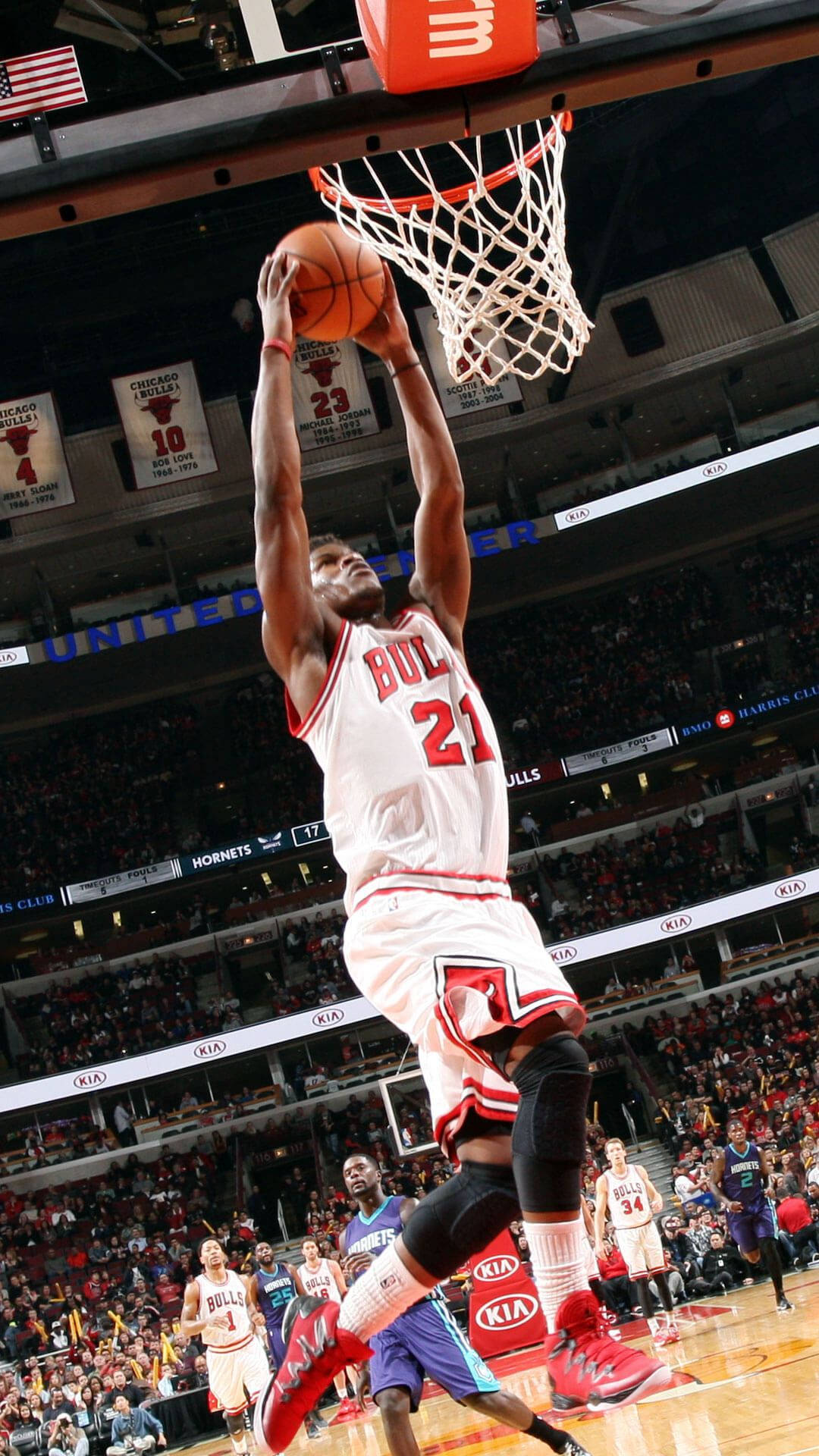
Statistically, Butler’s playoff scoring has fluctuated. Through Game 3, he’s averaging 22.4 points on 48.3% shooting from the field and 35.7% from three. His free-throw percentage (78.6%) is a bright spot, but his reliance on mid-range jumpers (38% of his shots) has drawn scrutiny from advanced metrics analysts. The Heat’s offensive rating (112.3 ORtg in the series) is above league average, but their defensive rating (108.7 DRtg) suggests they’re still a work in progress.
One area where Butler has excelled is clutch performance. In the series, he’s 8-of-10 from the field and 5-of-5 from three in the final two minutes of games, including his game-tying buzzer-beater. His 1.2 points per possession in those moments rank among the highest in the league this postseason.
Miami’s Over-Reliance on Butler and the Celtics’ Strategic Exploitation
Miami’s coaching staff has leaned heavily on Butler in the playoffs, with Erik Spoelstra deploying a smaller lineup in critical moments to maximize his matchup advantages. In the Celtics series, Butler has faced Jayson Tatum in every game, a deliberate strategy to exploit Tatum’s defensive limitations on switches. The Heat’s analytics team has identified Tatum as the Celtics’ biggest weakness on that end, and Butler’s 2.8 defensive rebounds per game in the series reflect his ability to control the paint.
However, the Heat’s lack of secondary scoring has become a liability. Bam Adebayo (18.0 PPG in the series) and Tyler Herro (12.3 PPG) have struggled to provide consistent offense, forcing Butler to carry the load. In the Game 3 loss, Adebayo went 4-of-15 from the field, and Herro was held to 10 points on 3-of-12 shooting. The Heat’s bench (4.3 points per game) ranks among the worst in the playoffs.
Sources close to the Heat’s front office acknowledge internal concerns about the team’s depth. “We’re asking Jimmy to do too much, and it’s not sustainable,” one executive told reporters. “But right now, he’s the only guy who can get us wins.” The Heat’s next challenge is Game 4 at home, where Boston will look to even the series and regain momentum.
Butler’s Free-Agent Future and the Heat’s Playoff Sustainability
Butler’s performance has reignited debates about his longevity and whether Miami can afford to keep him beyond the 2026-27 season. His current contract expires after next year, and free agency rumors have swirled around potential suitors like the Los Angeles Lakers and Golden State Warriors. Butler, now 32, has shown no signs of slowing down, but his playoff efficiency (45.1% FG in his career) remains a question mark.

For the Heat, the focus shifts to Game 4, where they’ll need more from their supporting cast. If Butler continues to carry the team, the series could drag into a seventh game. However, Boston’s depth—led by Marcus Smart’s defense and Robert Williams III’s energy—gives them an edge in a potential grind-it-out scenario.
One wild card is Butler’s availability. He’s played through a nagging left knee issue that flared up in Game 2, and team doctors have been monitoring his workload closely. If he misses significant time, the Heat’s chances of advancing could be in jeopardy.
Butler’s playoff resurgence has added fuel to the debate over whether he’s a Hall of Famer. His career averages (22.2 PPG, 6.2 RPG, 4.5 APG) already place him among the greatest two-way forwards of his generation, but his playoff numbers (19.8 PPG, 5.8 RPG, 3.9 APG) have been inconsistent. This series could be the defining chapter of his career.
If the Heat advance to the Eastern Conference Finals, Butler’s stock as a top-tier free-agent target will skyrocket. Teams like the Lakers, who are in rebuilding mode, could see him as the cornerstone of their next championship run. However, if Miami falters, Butler’s market could cool, leaving him with fewer options in 2027.
For now, the focus remains on Game 4. Butler’s 47-point night was a statement, but the Heat’s path to the Finals will depend on whether they can find a way to share the load—or if Butler will have to keep carrying them alone.
