
Recent research has reignited debate over the potential link between Alzheimer’s disease and oral bacteria, with new findings suggesting a possible infectious cause. A 2019 study identified the presence of *Porphyromonas gingivalis*, a bacterium associated with gum disease, in the brains of Alzheimer’s patients, marking a significant shift in understanding the condition’s origins.
The Bacterial Connection: A Breakthrough in Alzheimer’s Research
Scientists have long suspected a link between oral health and neurodegenerative diseases, but a 2019 study provided the most compelling evidence yet. Researchers from the University of Louisville, led by microbiologist Jan Potempa, discovered *P. gingivalis* in the brains of Alzheimer’s patients, along with toxic enzymes called gingipains. These findings, published in *Science Advances*, suggest the bacterium may contribute to the disease’s progression by triggering inflammation and amyloid-beta buildup, a hallmark of Alzheimer’s.
“Infektivni agensi su i ranije bili umešani u razvoj i progresiju Alchajmerove bolesti, ali dokazi o uzročnosti nisu bili ubedljivi,” said Steven Domini, a co-founder of pharmaceutical startup Cortexyme. “Sada, po prvi put, imamo čvrste dokaze koji povezuju intracelularni, gram-negativni patogen, P. gingivalis, i patogenezu Alchajmerove bolesti.”
The study also revealed that *P. gingivalis* was present in the brains of individuals without a diagnosed Alzheimer’s diagnosis, raising questions about whether gum disease could be a precursor to the condition. Researchers found that the bacterium’s toxic enzymes, gingipains, correlated with two Alzheimer’s markers: tau protein tangles and ubiquitin, a protein linked to cellular damage. This discovery has prompted calls for further investigation into the role of chronic infections in neurodegenerative diseases.

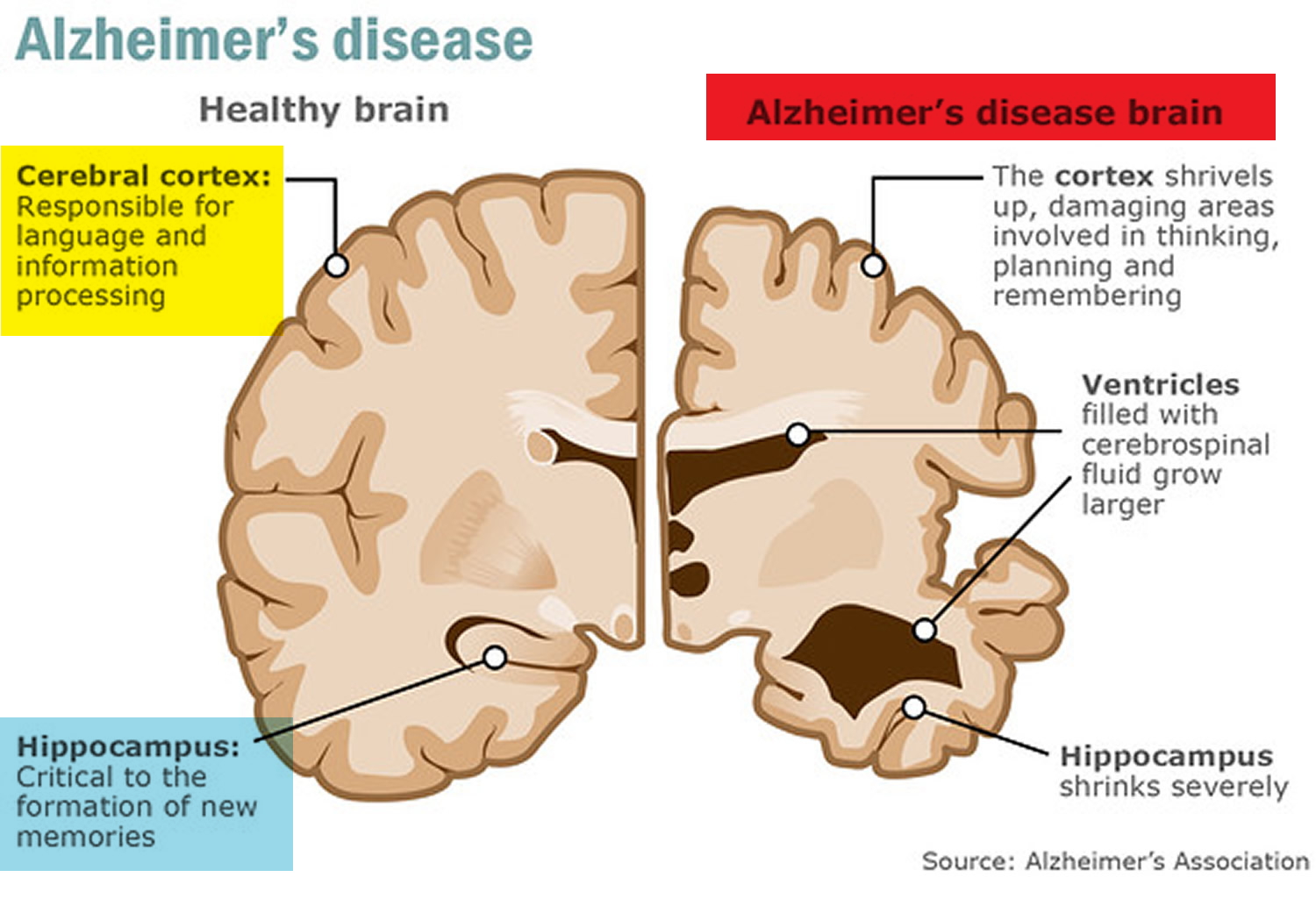
The clinical significance of these findings centers on the mechanism by which *P. gingivalis* enters the central nervous system. The research team identified that the bacterium is not merely an incidental visitor to the brain but appears to actively colonize neural tissue. By analyzing post-mortem brain samples, the investigators demonstrated that the concentration of gingipains was higher in areas of the brain where neurodegeneration was most severe. This spatial correlation reinforces the hypothesis that the pathogen plays a direct role in the destruction of neurons, rather than simply appearing as a result of existing brain atrophy.
Implications for Prevention and Treatment
The findings underscore the importance of oral health in Alzheimer’s prevention. Experts emphasize that maintaining good dental hygiene—such as regular brushing, flossing, and professional cleanings—could reduce the risk of bacterial entry into the bloodstream and subsequent brain inflammation. However, the study also highlights the need for targeted therapies. Cortexyme, which collaborated on the research, is developing drugs to inhibit *P. gingivalis* activity, though no effective treatments are currently available.
“Bakterije koje uzrokuju probleme s desnima povezane su s razvojem Alzheimerove bolesti,” noted a 2019 report from *Moje Vrijeme*. “This is a major breakthrough, as the causes of this disease have been poorly understood. While there is no effective treatment, early intervention through oral care may delay onset.”
While pharmacological interventions are in the experimental phase, the current clinical guidance emphasizes the management of periodontitis as a systemic health priority. Periodontitis is a chronic inflammatory condition; when left untreated, it creates a persistent portal for oral bacteria to enter the systemic circulation. Once in the bloodstream, these pathogens can travel to distant organs. The research suggests that the brain’s blood-brain barrier may be compromised or bypassed by these bacteria, particularly in aging populations where the barrier’s integrity naturally declines.
Challenges and Future Directions
Despite the promising results, researchers caution that the study does not prove causation. The relationship between *P. gingivalis* and Alzheimer’s remains complex, with factors like age, genetics, and lifestyle also playing roles. “We need more studies to determine whether the bacterium is a direct cause or merely a contributing factor,” said a spokesperson for the Alzheimer’s Association. “But this research opens new avenues for treatment.”

Future studies will focus on longitudinal data to track how oral health impacts cognitive decline over time. Additionally, scientists are exploring the potential of vaccines or antimicrobial therapies to target *P. gingivalis*. For now, the message to the public remains clear: prioritize dental care as part of a broader strategy to protect brain health.
The research, which has been cited in multiple studies, highlights the growing intersection of infectious diseases and neurology. As the global population ages, understanding these connections could be critical in combating Alzheimer’s, a condition that affects over 55 million people worldwide.
It is essential for patients to discuss concerns regarding oral health and cognitive status with qualified medical professionals. Dentists and neurologists can provide personalized assessments based on an individual’s medical history and current clinical signs. Patients should not assume that oral health alone is the sole determinant of neurodegenerative outcomes, as Alzheimer’s remains a multifactorial disease involving complex genetic and environmental interactions. Consulting with a healthcare provider remains the most reliable path for those seeking to mitigate risk factors through evidence-based preventative care.
For more details, visit the original study at eupravozato.mondo.rs and the 2019 analysis at mojevrijeme.hr.
