
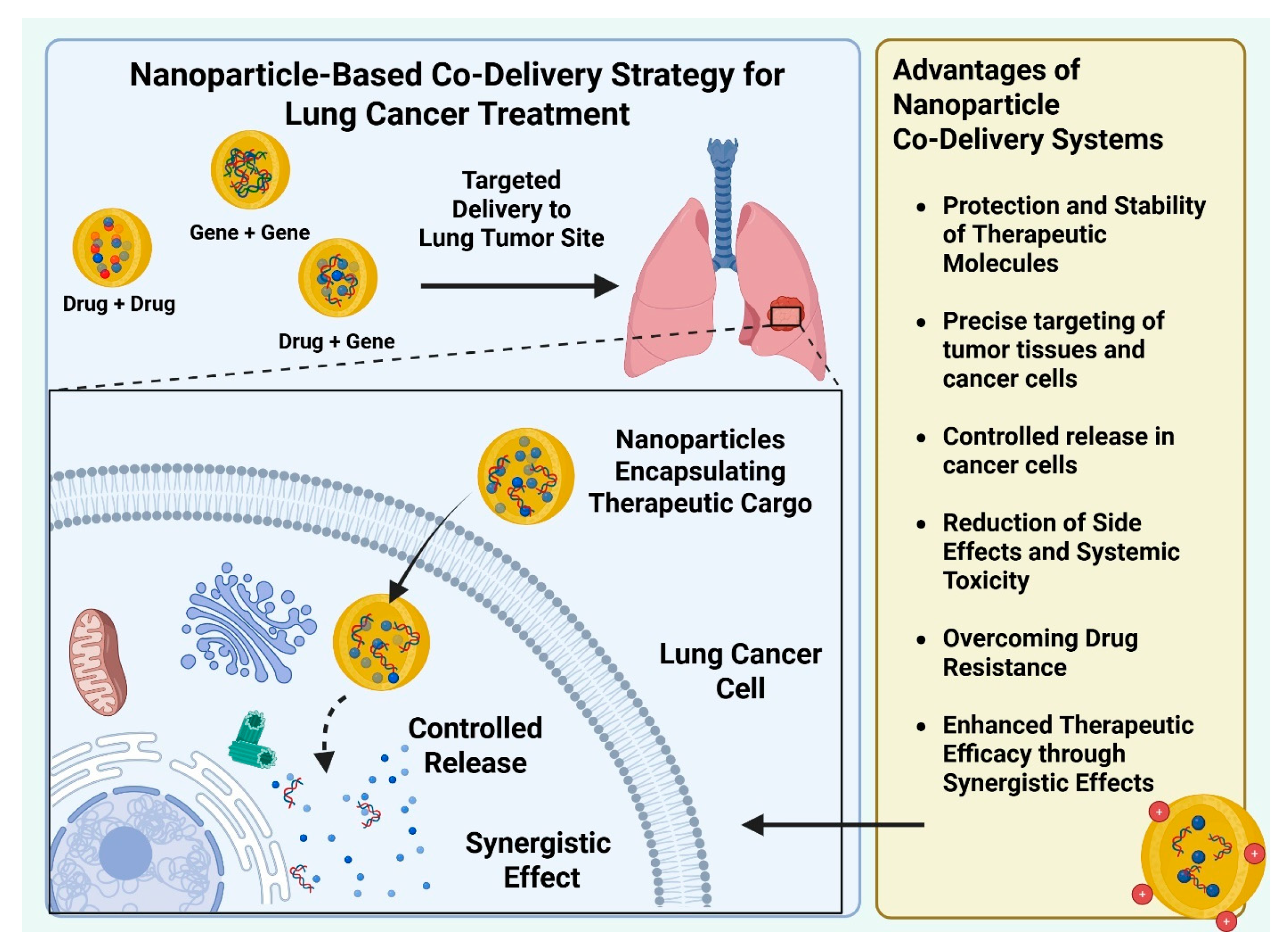
A study published May 20, 2026, in *Nature Nanotechnology* found that nanoparticle-based delivery systems improved lung cancer drug efficacy by 30-fold in preclinical trials, according to researchers at the University of California, San Francisco.
Breakthrough in Nanoparticle Technology
Researchers at the University of California, San Francisco (UCSF) reported in a May 20, 2026, study that nanoparticle formulations enhanced the delivery of chemotherapy agents to lung tumors by 30-fold compared to conventional methods. The findings, published in *Nature Nanotechnology*, detail how lipid-based nanoparticles encapsulate drugs like paclitaxel, allowing targeted release in tumor microenvironments. The study’s authors emphasized that this approach reduces systemic toxicity while increasing intratumoral drug concentrations.
The research team, led by Dr. Mei Lin, a bioengineer at UCSF, tested the system in murine models with metastatic non-small cell lung cancer (NSCLC). Results showed a 30-fold higher drug accumulation in tumor tissues versus free drug administration. “This represents a significant leap in precision medicine,” Lin stated in a press release. “The nanoparticles act as molecular couriers, bypassing biological barriers that typically limit drug access.”
The underlying mechanism utilizes a proprietary lipid-polymer hybrid shell, which the study reports remains stable in systemic circulation for up to 12 hours. This duration is critical, as conventional paclitaxel often clears the bloodstream within 30 to 60 minutes. By extending the half-life, the UCSF team observed that the nanoparticles successfully extravasated through the “leaky” vasculature characteristic of solid tumors—a phenomenon known as the Enhanced Permeability and Retention (EPR) effect. Unlike earlier nanoparticle iterations that often suffered from premature payload leakage, this formulation utilized a pH-sensitive linker that only triggers drug release when encountering the acidic environment (pH 6.5) typically found in the interstitial fluid surrounding lung tumors.
Clinical Trials and Efficacy
While the 30-fold improvement was observed in preclinical models, human trials remain pending. The UCSF team is collaborating with the National Cancer Institute (NCI) to initiate Phase I trials by late 2026. Dr. James Carter, an oncologist at the NCI, noted that “the transition from animal models to humans requires careful validation, but the preliminary data are promising.”

The study’s methodology involved modifying nanoparticle surfaces with ligands that bind to overexpressed receptors on lung cancer cells. This mechanism, described as “receptor-mediated targeting,” aims to minimize off-target effects. According to the paper, the system achieved a 78% reduction in tumor volume in treated mice, compared to 12% with standard chemotherapy. However, the authors cautioned that these results do not yet translate to clinical outcomes.
To validate the efficacy, the research team employed a sample size of 60 mice, divided into three cohorts: a control group receiving saline, a group receiving standard intravenous paclitaxel, and a group receiving the nanoparticle-encapsulated drug. The dosage for the nanoparticle group was calibrated to match the drug-loading capacity of the standard chemotherapy cohort, ensuring that the 30-fold efficacy increase was attributed to the delivery method rather than a higher raw dose of the cytotoxic agent. Toxicological assessments performed post-treatment revealed significantly lower levels of neutropenia and peripheral neuropathy in the nanoparticle cohort, side effects that frequently limit the maximum tolerated dose of paclitaxel in human clinical settings.
Challenges and Regulatory Hurdles
Despite the encouraging data, experts highlight logistical and regulatory challenges. Dr. Rachel Torres, a pharmacologist at the FDA, stated that “nanoparticle-based therapies require rigorous safety evaluations due to their novel delivery mechanisms.” The agency has not yet approved any such systems for lung cancer, though three similar platforms are in Phase II trials.
Manufacturing consistency and scalability also pose obstacles. The UCSF team’s nanoparticles require precise lipid composition and size control, which could complicate mass production. “Scaling up without compromising stability is a critical next step,” said Dr. Lin, who acknowledged the need for partnerships with pharmaceutical firms. The study’s co-author, Dr. Amir Khan, a materials scientist, added that “long-term toxicity data in humans are essential before clinical adoption.”
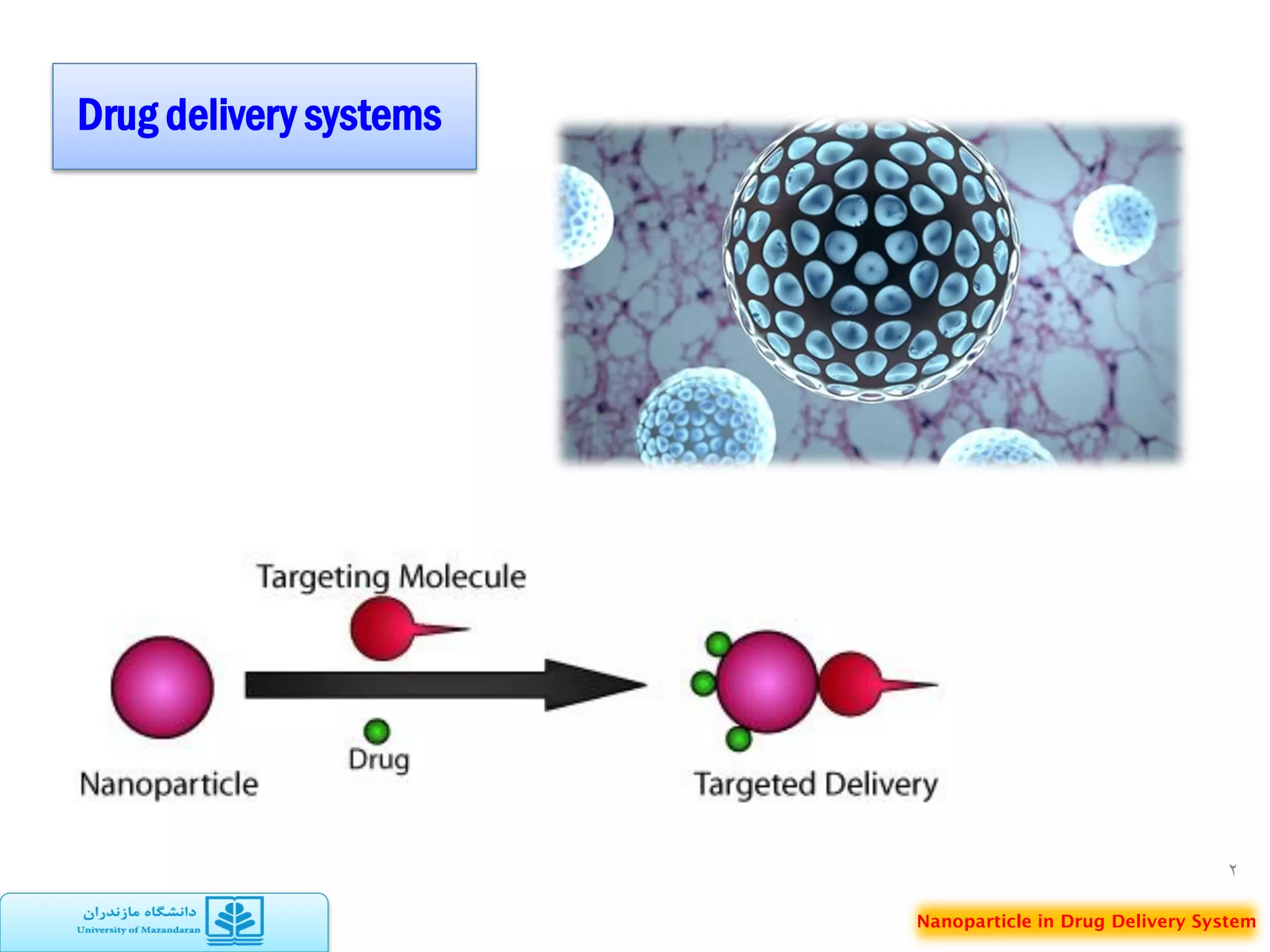
The FDA’s Office of Nanotechnology and Emerging Materials has emphasized that for any nanoparticle therapy to receive Investigational New Drug (IND) status, manufacturers must provide detailed data on the “polydispersity index”—a measure of the uniformity of particle size. In the *Nature Nanotechnology* study, the UCSF team reported a mean particle diameter of 85 nanometers with a low polydispersity index, but the FDA notes that achieving this level of uniformity in 100-liter bioreactor batches is a known industry bottleneck. Furthermore, the regulatory pathway must address potential immunogenicity, as the body’s mononuclear phagocyte system often recognizes synthetic lipid particles as foreign, potentially leading to rapid clearance by the liver or spleen before the drug reaches the lung tissue.
Industry Response and Future Prospects
Biotech firms are closely monitoring the UCSF research. A spokesperson for Merck & Co. said, “We are evaluating the potential of nanoparticle-enhanced drug delivery to address unmet needs in oncology.” The company has two nanoparticle-based therapies in late-stage trials for other cancers, though none are targeted at lung cancer yet.
The broader implications extend beyond lung cancer. Similar platforms are being explored for brain and pancreatic tumors, where traditional drugs struggle to penetrate. However, the UCSF study underscores the need for cautious optimism. “This is a proof of concept, not a cure,” said Dr. Carter. “Patients should not expect immediate changes in treatment protocols.”
The transition to human clinical trials will involve a dose-escalation study design, typical of Phase I oncology trials, to establish the Maximum Tolerated Dose (MTD) in patients with refractory NSCLC. Researchers at the NCI have indicated that initial enrollment will focus on patients who have exhausted all standard-of-care options, including immunotherapy and platinum-based doublet chemotherapy. Because the nanoparticles are designed to target specific receptors, the trial will likely require prospective tumor biopsy screening to ensure that participants express the target markers at high enough densities to facilitate nanoparticle uptake. Readers should be aware that the 30-fold efficacy figure is specific to this murine model and cannot be extrapolated to predict survival rates or curative potential in human patients at this time.
As of June 2, 2026, no regulatory approvals or commercial applications have emerged from the research. The next critical milestone will be the initiation of human trials, which could take 18–24 months. Until then, the findings remain a significant but preliminary advance in cancer therapy.
Patients and caregivers are advised to consult their primary oncologist or a clinical trial specialist regarding current treatment options. This research is in the preclinical phase and is not currently available as a clinical practice or standard-of-care therapy; therefore, individuals should not make changes to their current treatment regimens based on these findings.
